


"Sardar Singh – The Stick that Leads a Billion Dreams!"1

From Nation, For Nation - Pulse of the Nation
RED FORT
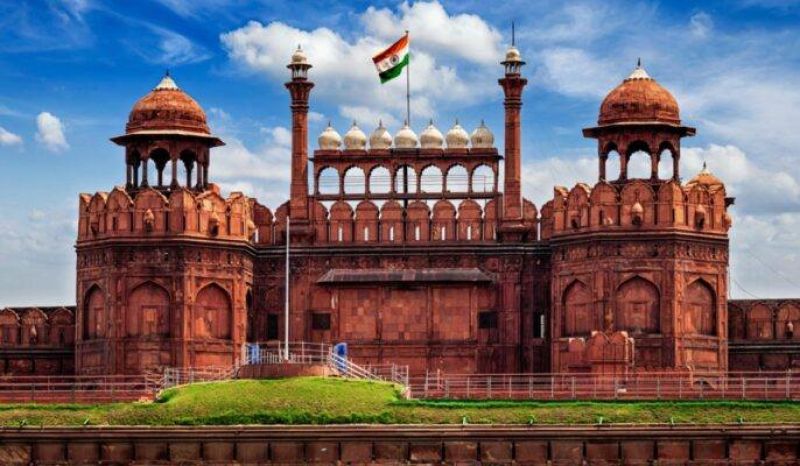
"Red Fort Rising: A Timeless Symbol of India’s Sovereignty, Strength, and Struggle"
Symbol
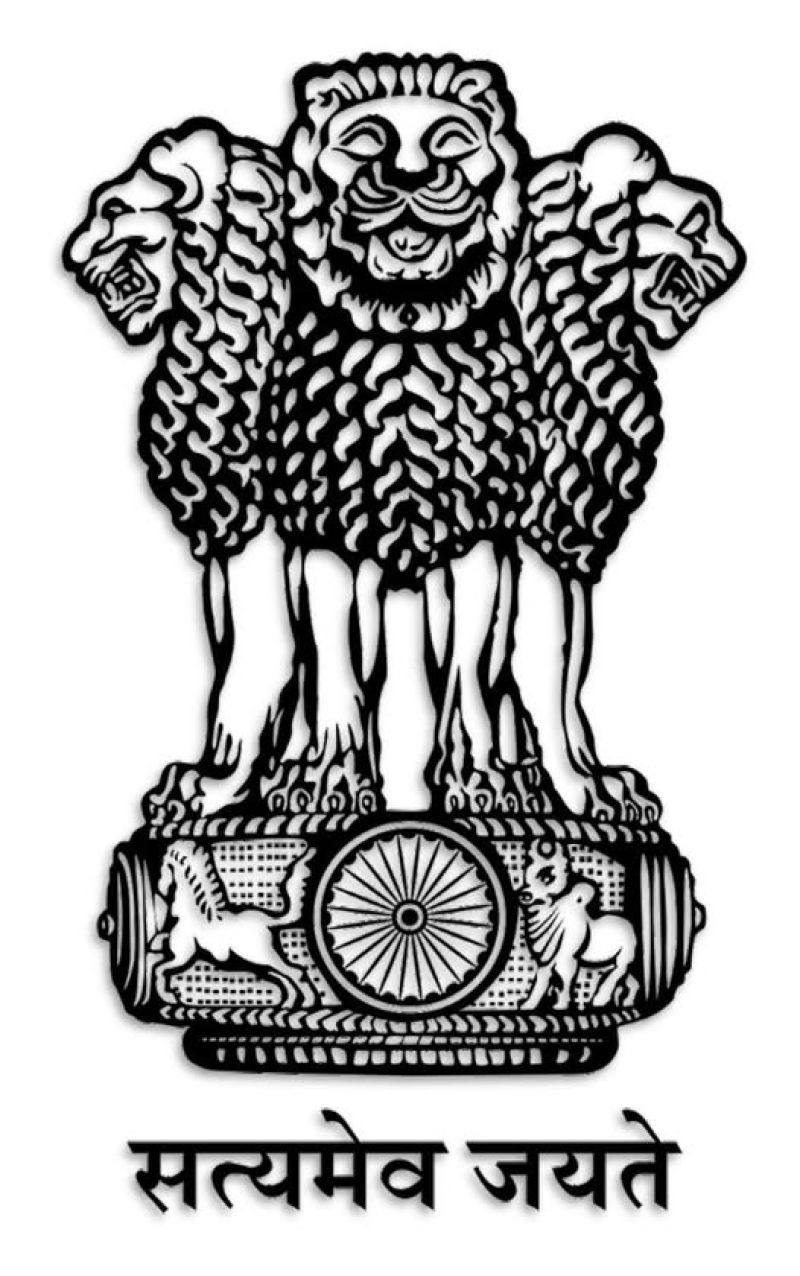
Satyameva Jayate: The Majestic Symbol of India's Soul and Sovereignty
Adopted on 26 January 1950, the Indian National Emblem is a powerful adaptation of the Lion Capital of Ashoka at Sarnath, a timeless symbol of wisdom, strength, and moral authority. Originally carved from a single block of polished sandstone, the capital features four lions standing back to back atop an abacus, adorned with high-relief sculptures of an elephant, galloping horse, bull, and lion, all separated by Dharma Chakras. In the official state emblem, only three lions are visible, the fourth concealed from view, with the bull to the right, horse to the left, and a prominent Dharma Chakra at the center. The bell-shaped lotus base is omitted, but below the abacus, in bold Devanagari script, are the profound words from the Mundaka Upanishad: Satyameva Jayate, “Truth Alone Triumphs,” capturing the spiritual and ethical essence of the Indian Republic.
→
From Globe, For Globe - Pulse of the Planet
News
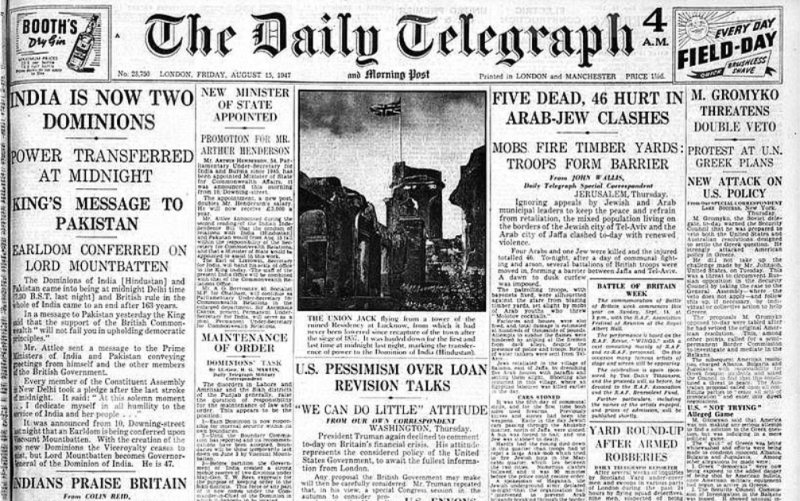
Newspaper headlines on August 15, 1947
On the historic day of India’s independence, The Daily Telegraph, a prominent London-based newspaper, marked the moment with a subdued yet significant front-page headline: “India is now two dominions.” Positioned on the extreme left of the front page, the headline underscored the gravity of the subcontinent’s division, referencing the simultaneous birth of two nations, India and Pakistan. Rather than celebrating the dawn of freedom alone, the coverage reflected the geopolitical complexity of the moment, highlighting the bittersweet reality of independence intertwined with the pain of Partition. →
