


Thursday, 24, July, 2025

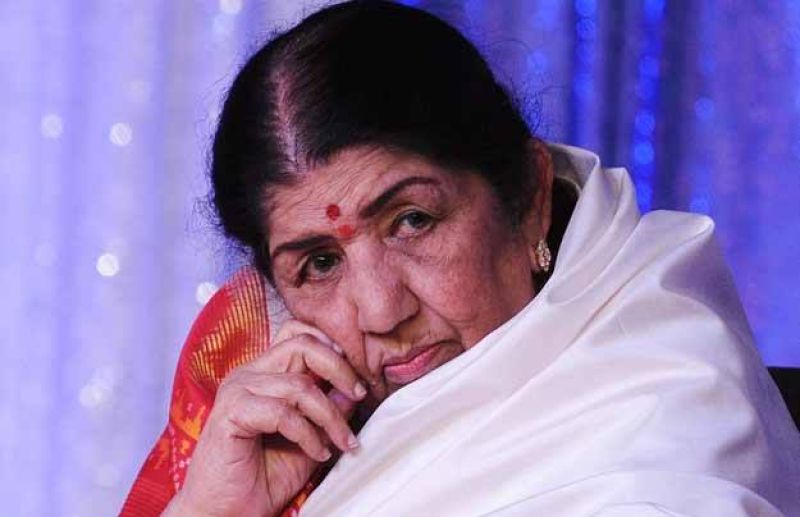
Lata Mangeshkar – The Voice That Unites a Nation1
→

Lata Mangeshkar – The Voice That Unites a Nation
From Nation, For Nation - Pulse of the Nation
Chakra
Chakra

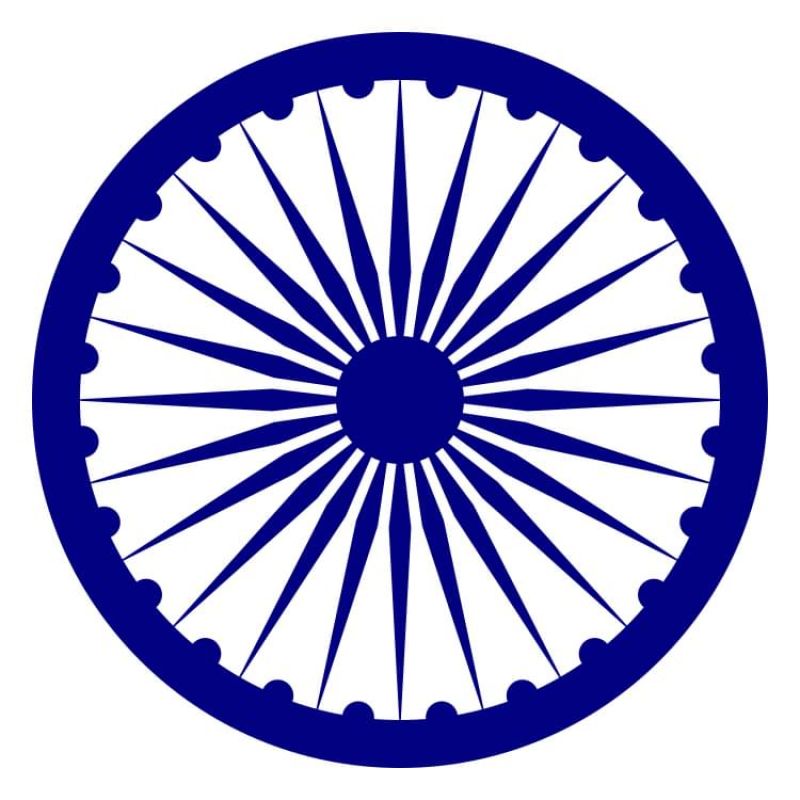
Ashoka Chakra: Symbol of the Dhamma, Dependent Origination, and the Eternal Path to Liberation Through Awareness
The Ashoka Chakra, prominently featured atop Emperor Ashoka’s pillars, symbolizes the teachings of the Buddha, paṭiccasamuppāda (Dependent Origination). Its 24 spokes represent the twelve causal links that explain the cycle of suffering and its cessation, both in forward and reverse order. This profound concept emphasizes that through awareness and cessation of ignorance, the chain of birth and death can be broken.
Each spoke reflects a principle vital for human evolution, ranging from Avidyā (ignorance) to Jarāmaraṇa (old age and death). The reversal of these links signifies liberation, nibbāna, achieved through the elimination of desire and mental conditioning. Thus, the Ashoka Chakra not only represents time and righteousness but also serves as a moral compass for leading a mindful, enlightened life.
→

Flag
Flag

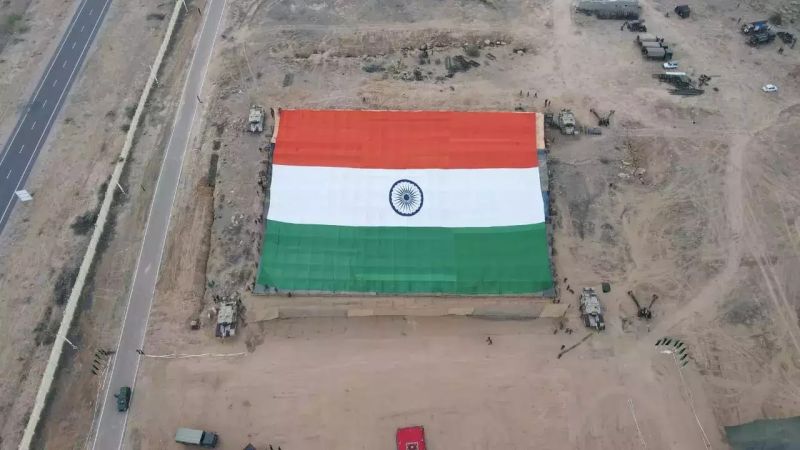
World’s Largest Khadi Tiranga Unfurled by Indian Army in Jaisalmer on Army Day Honoring National Pride

On the proud occasion of Army Day, the Indian Army unveiled the world’s largest Tiranga at Jaisalmer, Rajasthan. The massive national flag, lovingly referred to as the Tiranga, symbolizes India’s strength, unity, and patriotic spirit. Crafted entirely from Khadi, it reflects the Gandhian legacy and commitment to self-reliance.
Spanning an impressive 33,750 square feet, this monumental flag is a testament to the valor and dedication of our armed forces. Its unveiling was not just a tribute to the nation but also a reminder of the sacrifices and spirit that safeguard India's sovereignty.
→
From Globe, For Globe - Pulse of the Planet
Days
Days
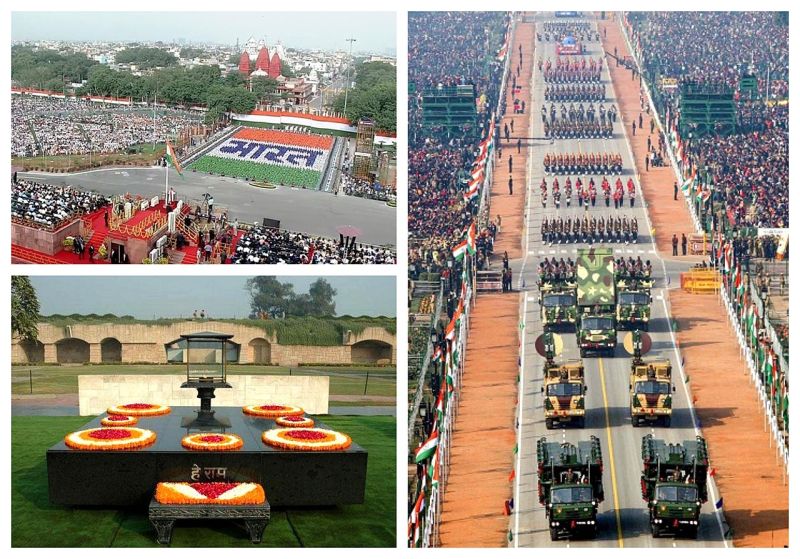
India’s Defining Days: Celebrating Independence, Constitutional Democracy, and the Birth of the Father of the Nation

15 August 1947 marks India’s historic Independence from British rule, a triumph of unity, sacrifice, and unwavering patriotism. This day celebrates the rebirth of a sovereign nation, honoring the countless freedom fighters who shaped its destiny. It stands as a powerful symbol of liberation and national pride.
26 January 1950 commemorates the adoption of the Constitution of India, transforming the country into a democratic republic. Additionally, 2 October, Gandhi Jayanti, honors the birth of Mahatma Gandhi, the Father of the Nation, whose philosophy of non-violence shaped India’s freedom movement and moral foundation.
→
