


"From Colonial Zero Mile to Karaundi's Ashoka Pillar – Tracing the Shifting Geographical Heart of Independent Modern India"1
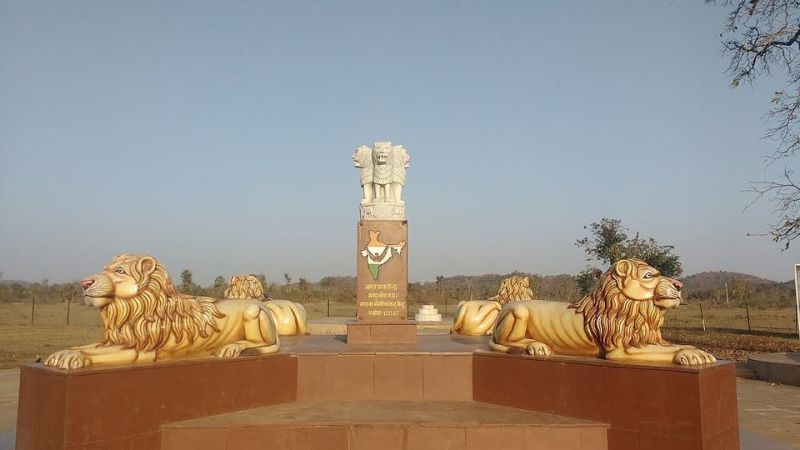
From Nation, For Nation - Pulse of the Nation
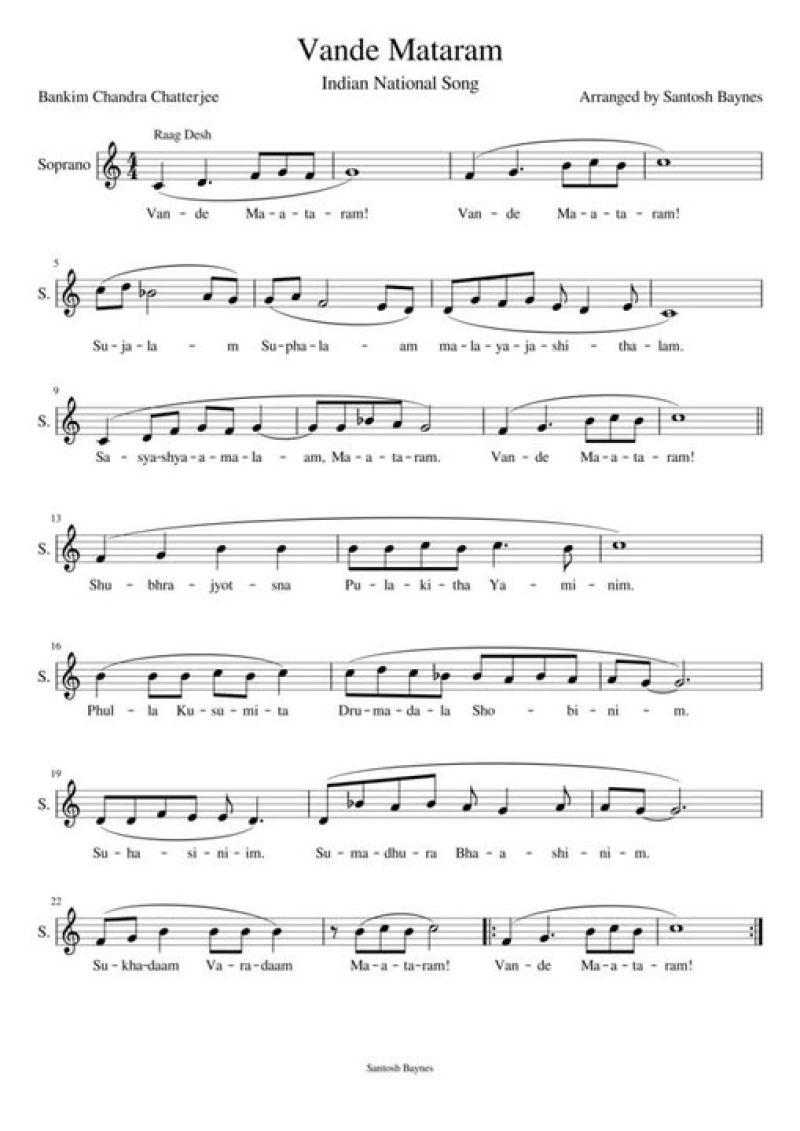
Vande Mataram: A Timeless Tribute to the Nation. Sanskrit poem penned by Bankim Chandra Chatterjee.
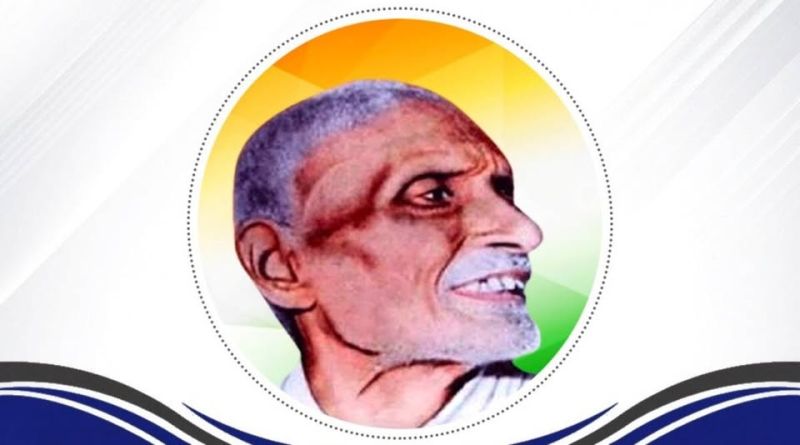
"Pingali Venkayya: The Visionary Behind India’s Tricolour Legacy"
Beyond his role in the freedom movement, Venkayya was a multifaceted personality, a lecturer, geologist, agriculturist, educationalist, author, and polyglot. His diverse expertise and unwavering commitment to national service reflect the spirit of a true nation-builder whose legacy continues to inspire generations of Indians. →
From Globe, For Globe - Pulse of the Planet
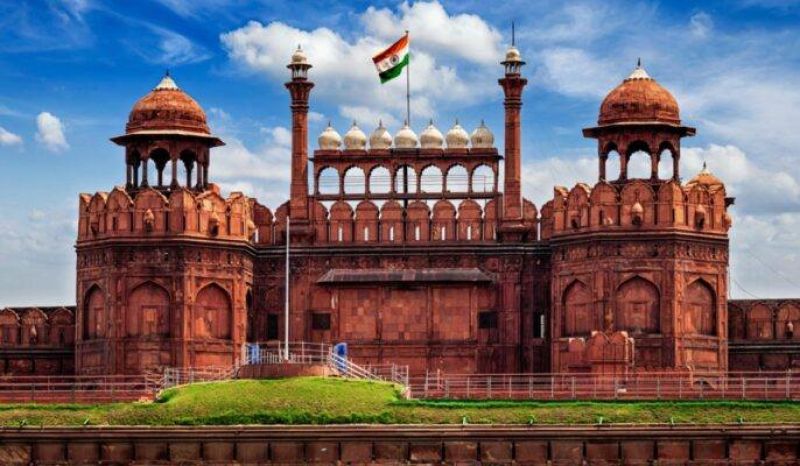
When India gained independence, the Red Fort became the ultimate symbol of national pride and rebirth. On August 15, 1947, the country’s first Prime Minister, Jawaharlal Nehru, hoisted the Indian National Flag above the iconic Lahori Gate and delivered his historic “Tryst with Destiny” speech, marking the dawn of a free India. Once the majestic seat of the Mughal Empire and later ravaged by colonial forces, the Red Fort's transformation into a stage for sovereign celebration reflects the resilience and strength of a nation that reclaimed its soul. Today, each flag hoisting at this monumental citadel renews India’s enduring commitment to freedom and unity. →
