


Vande Mataram: A Timeless Tribute to the Nation. Sanskrit poem penned by Bankim Chandra Chatterjee.1
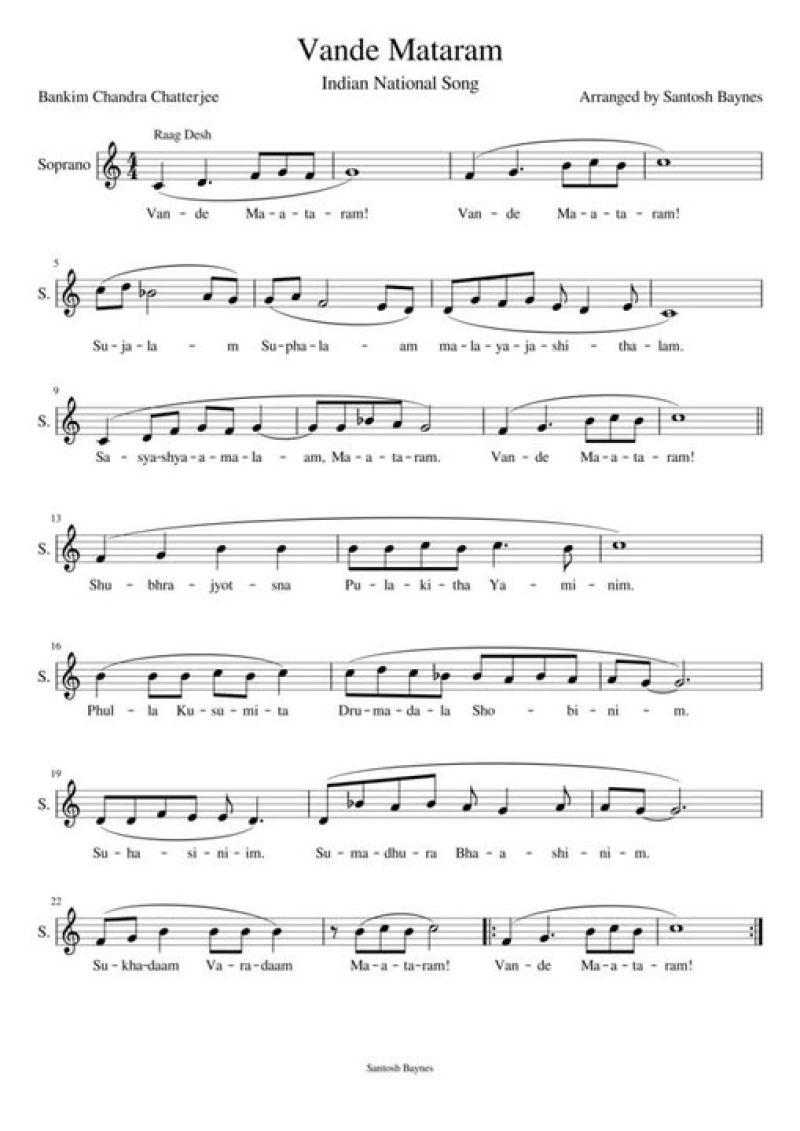
From Nation, For Nation - Pulse of the Nation
Size
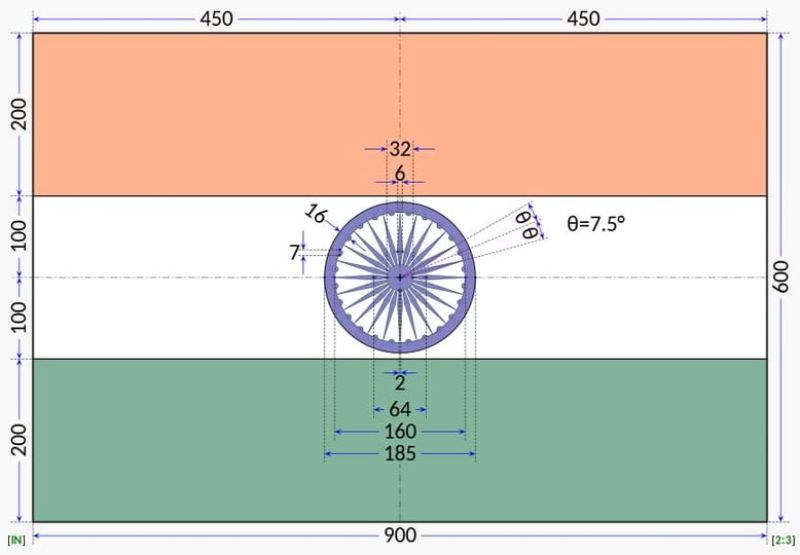
"Tricolour Harmony: The Geometry and Glory of the Indian National Flag"
Gandhi
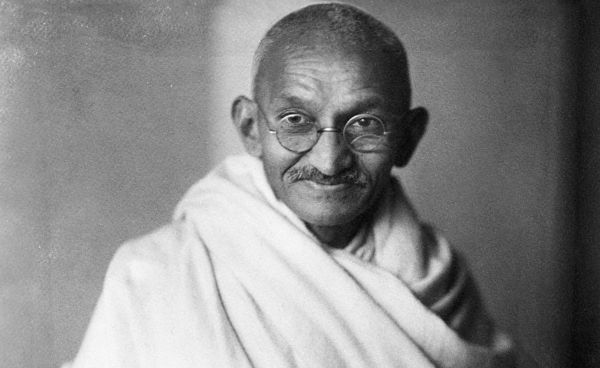
The pravasi in India’s independence struggle
The return of Mahatma Gandhi on 9 January 1915 from South Africa was a pivotal moment in India's freedom movement. Known as the “Pravasi Bharatiya Divas” today, this date commemorates the journey of a visionary who transformed India's struggle for independence through nonviolent resistance and moral leadership. Gandhi's return wasn't merely a homecoming, it was the convergence of global experiences and local aspirations. His leadership, shaped by years of civil rights activism abroad, injected a new spirit into India's freedom struggle, inspiring millions to unite in a common cause of liberation and justice.
The larger narrative of India’s independence is incomplete without recognizing the contributions of overseas Indians, or pravasis, who stood in solidarity with their motherland from afar. Whether it was through forming revolutionary groups, raising international awareness, or sending resources and moral support, their role was indispensable. On the 75th anniversary of India’s independence, these sacrifices shine brightly, reminding us of a shared legacy that transcends borders. The emotional and ideological ties between India and its diaspora continue to be a testament to the strength of a global Indian identity, rooted in patriotism, sacrifice, and the dream of a free, united nation. →
The larger narrative of India’s independence is incomplete without recognizing the contributions of overseas Indians, or pravasis, who stood in solidarity with their motherland from afar. Whether it was through forming revolutionary groups, raising international awareness, or sending resources and moral support, their role was indispensable. On the 75th anniversary of India’s independence, these sacrifices shine brightly, reminding us of a shared legacy that transcends borders. The emotional and ideological ties between India and its diaspora continue to be a testament to the strength of a global Indian identity, rooted in patriotism, sacrifice, and the dream of a free, united nation. →
From Globe, For Globe - Pulse of the Planet
Jana Gana Mana
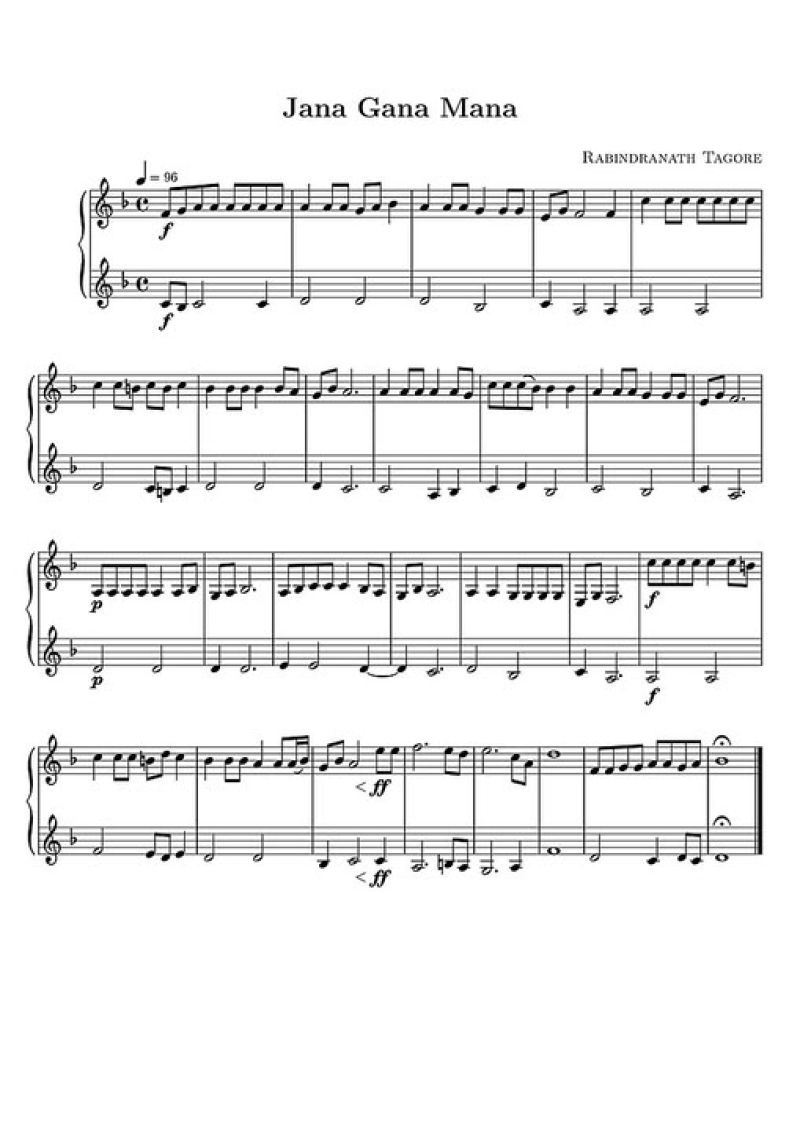
The sheet music of "Jana Gana Mana,"
The sheet music of "Jana Gana Mana," composed by Rabindranath Tagore, reflects its majestic and solemn tone. Set in raga Alhaiya Bilawal, it guides precise rendition with dignity. The notation ensures uniformity and reverence during national performances. →
