
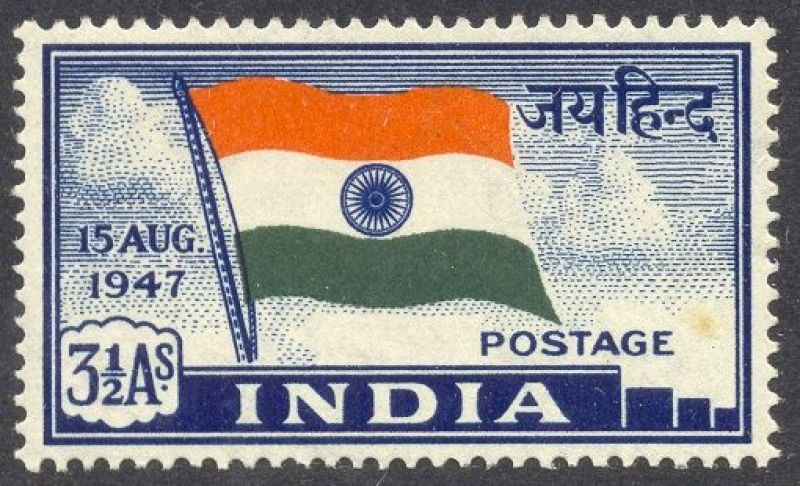
Stamped in Freedom: The Tiranga’s First Philatelic Flight1
From Nation, For Nation - Pulse of the Nation
Symbol
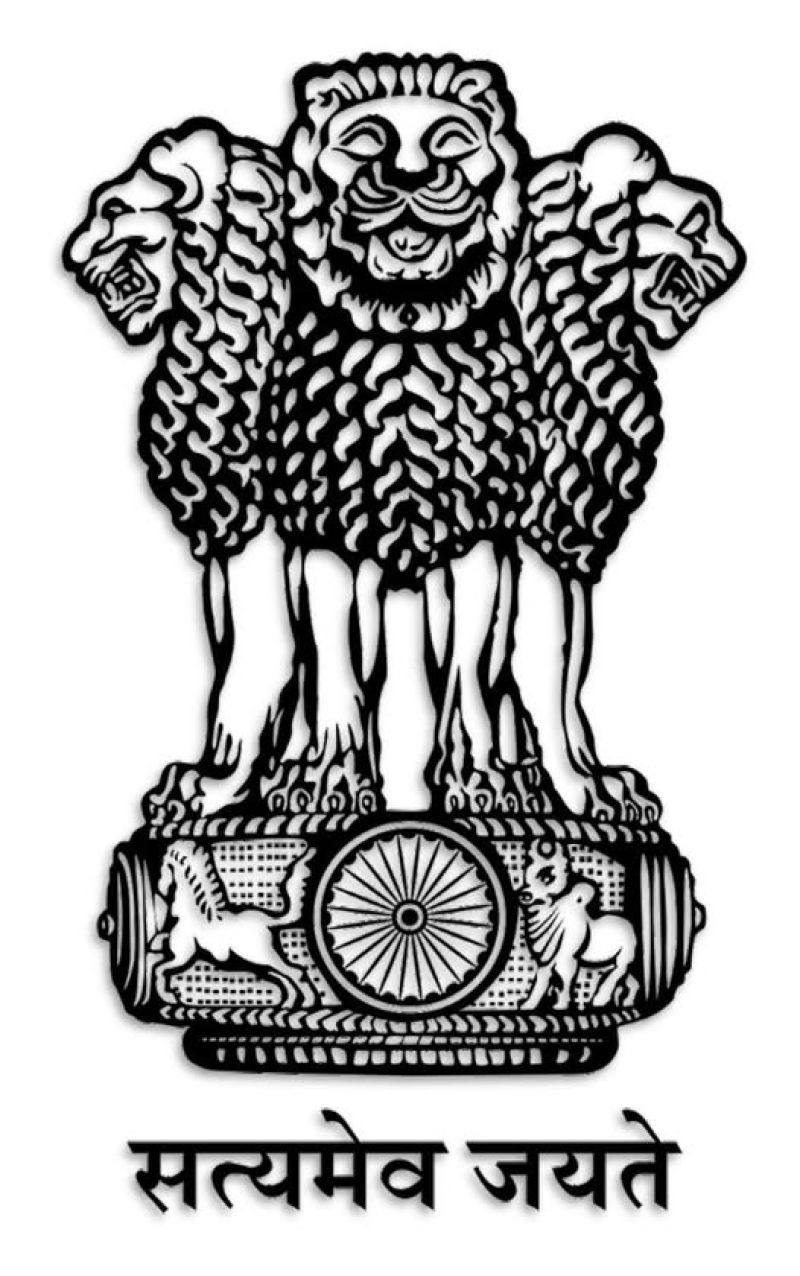
Satyameva Jayate: The Majestic Symbol of India's Soul and Sovereignty
India
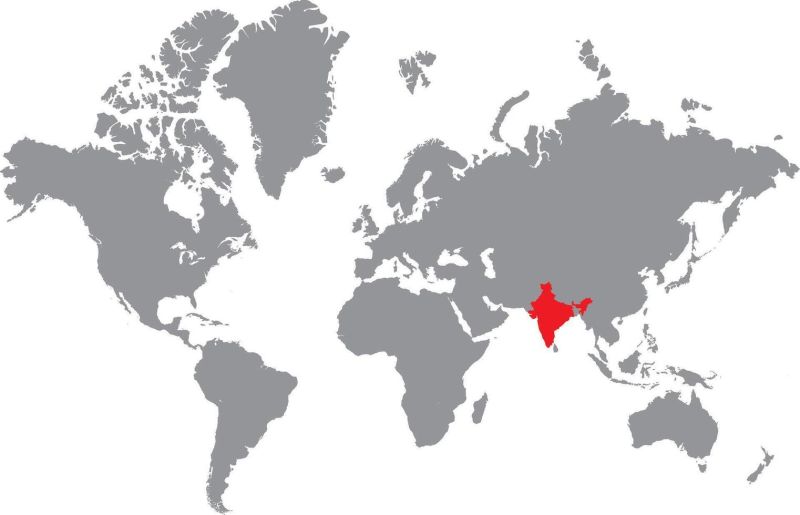
Republic of India
India, officially the Republic of India,is a country in South Asia. It is the seventh-largest country by area; the most populous country since 2023, and, since its independence in 1947, the world's most populous democracy.Bounded by the Indian Ocean on the south, the Arabian Sea on the southwest, and the Bay of Bengal on the southeast, it shares land borders with Pakistan to the west; China, Nepal, and Bhutan to the north; and Bangladesh and Myanmar to the east. In the Indian Ocean, India is near Sri Lanka and the Maldives; its Andaman and Nicobar Islands share a maritime border with Thailand, Myanmar, and Indonesia. Modern humans arrived on the Indian subcontinent from Africa no later than 55,000 years ago. Their long occupation, predominantly in isolation as hunter-gatherers, has made the region highly diverse. Settled life emerged on the subcontinent in the western margins of the Indus river basin 9,000 years ago, evolving gradually into the Indus Valley Civilisation of the third millennium BCE. By 1200 BCE, an archaic form of Sanskrit, an Indo-European language, had diffused into India from the northwest.
→
From Globe, For Globe - Pulse of the Planet
National
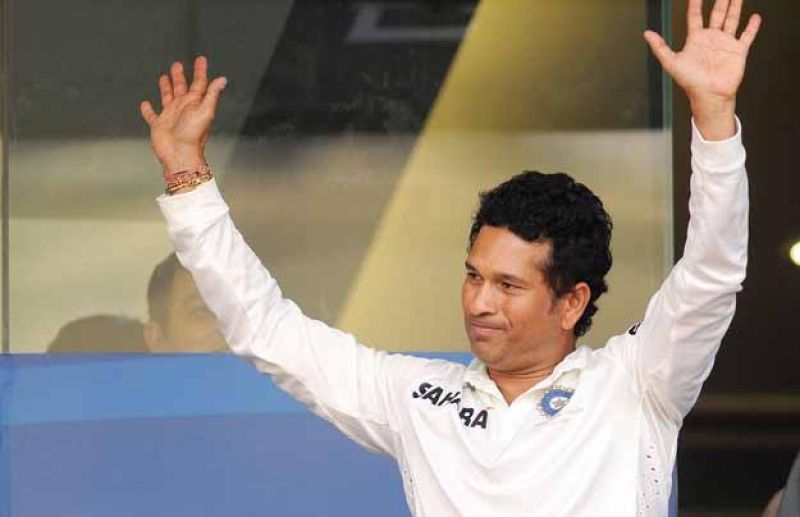
India’s Cricketing Legend and “Lead Indian” for Generations
Sachin Ramesh Tendulkar might have retired from cricket, but Sachin Tendulkar’s legacy is an achievement every Indian will be proud of for centuries to come. It's been a huge honour to have represented our country India and Nothing makes us more proud then saying that Sachin Ramesh Tendulkar is an Indian.
On behalf of all Indians-Indian Book of Records proud to say that you are an "Lead Indian".
→
