


Tiranga with Dignity: Know the Right Way to Fly Our Pride – Uphold the Honour, Respect the Code, Celebrate the Spirit of India1
From Nation, For Nation - Pulse of the Nation
News
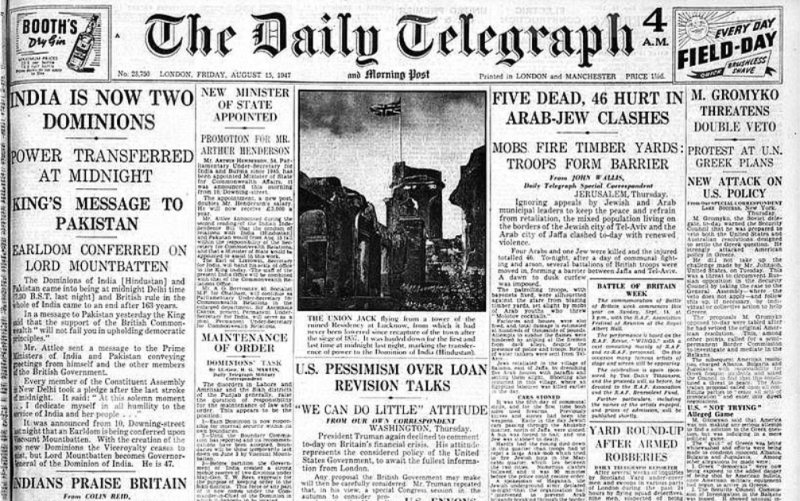
Newspaper headlines on August 15, 1947
Size
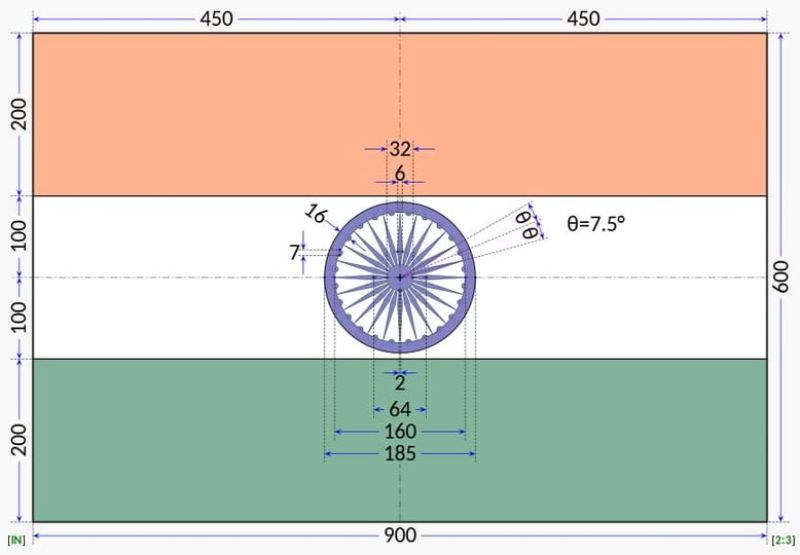
"Tricolour Harmony: The Geometry and Glory of the Indian National Flag"
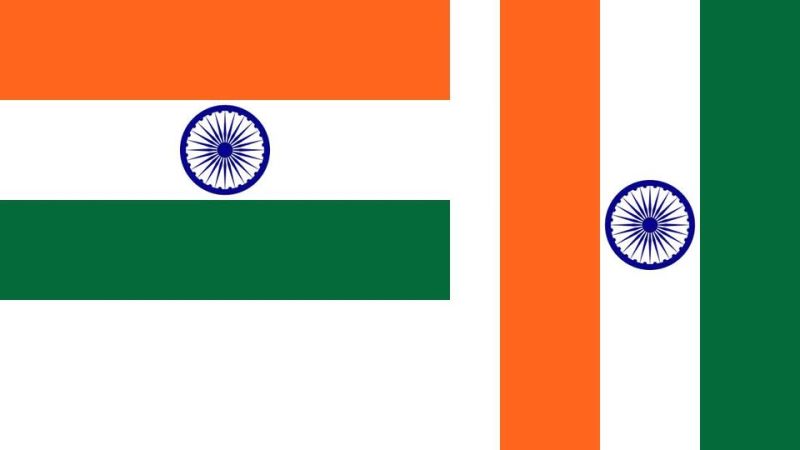
The Indian National Flag, a revered emblem of the nation's pride, unity, and sovereignty, is governed by detailed specifications outlined in the Flag Code of India. One of the key aspects of its design is the width-to-height ratio of 3:2, which ensures proportional uniformity across all its representations, be it on land, at sea, or in the air. This strict adherence to proportion is a reflection of the discipline and dignity associated with the national symbol.
The flag consists of three equal horizontal bands, saffron at the top, symbolizing courage and sacrifice; white in the middle, representing peace, honesty, and truth; and green at the bottom, signifying prosperity, growth, and the land’s fertility. These colours are not merely aesthetic choices but profound metaphors of the values that bind the Indian nation. Together, they reflect the spirit of a diverse yet unified country.
At the heart of the white band lies the Ashoka Chakra, a navy blue, 24-spoke wheel inspired by the Lion Capital of Ashoka, India's National Emblem. It represents the eternal wheel of law, justice, and dharma, signifying movement, progress, and righteousness. The meticulous symmetry of the flag, along with its symbolic elements, makes it not just a design but a philosophical expression of India's civilizational ethos and its forward-looking vision as a sovereign, secular, and democratic republic. →
The flag consists of three equal horizontal bands, saffron at the top, symbolizing courage and sacrifice; white in the middle, representing peace, honesty, and truth; and green at the bottom, signifying prosperity, growth, and the land’s fertility. These colours are not merely aesthetic choices but profound metaphors of the values that bind the Indian nation. Together, they reflect the spirit of a diverse yet unified country.
At the heart of the white band lies the Ashoka Chakra, a navy blue, 24-spoke wheel inspired by the Lion Capital of Ashoka, India's National Emblem. It represents the eternal wheel of law, justice, and dharma, signifying movement, progress, and righteousness. The meticulous symmetry of the flag, along with its symbolic elements, makes it not just a design but a philosophical expression of India's civilizational ethos and its forward-looking vision as a sovereign, secular, and democratic republic. →
From Globe, For Globe - Pulse of the Planet
Bose
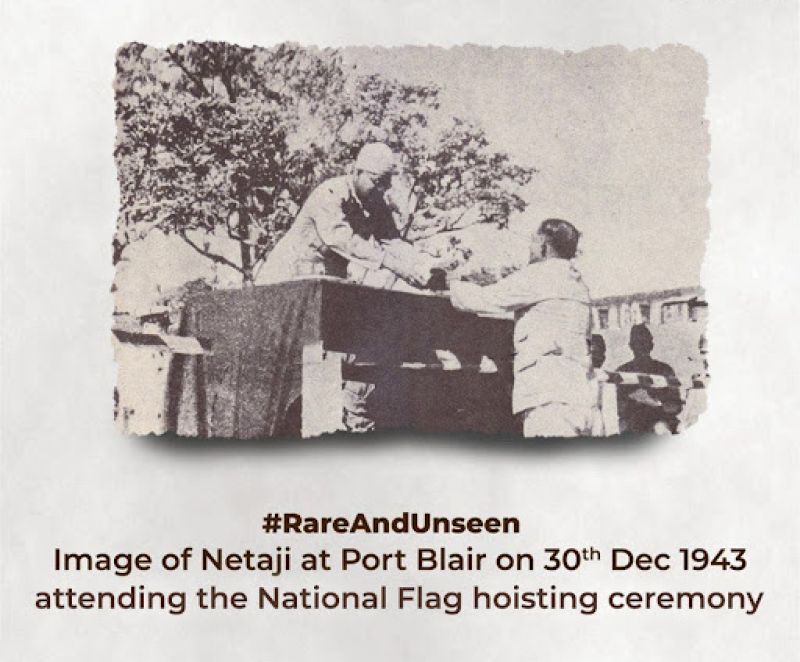
Netaji Bose Declares Andaman and Nicobar as Shaheed and Swaraj Islands in Freedom’s Fiery Dawn
It was the pre-independence era. World War II had impacted the entire world. On 30 December 1943, the Indian National Army, under the leadership of Netaji Subhas Chandra Bose, declared the Andaman and Nicobar Islands as part of Independent India and renamed them ‘Shaheed-deep’ (Martyr Island) and ‘Swaraj-dweep’ (Self-ruled Island). →
