


India’s Cricketing Legend and “Lead Indian” for Generations1

From Nation, For Nation - Pulse of the Nation
Maneka Gandhi

Voice for the Voiceless: Maneka Gandhi’s Lifelong Mission of Compassion and Reform
Symbol
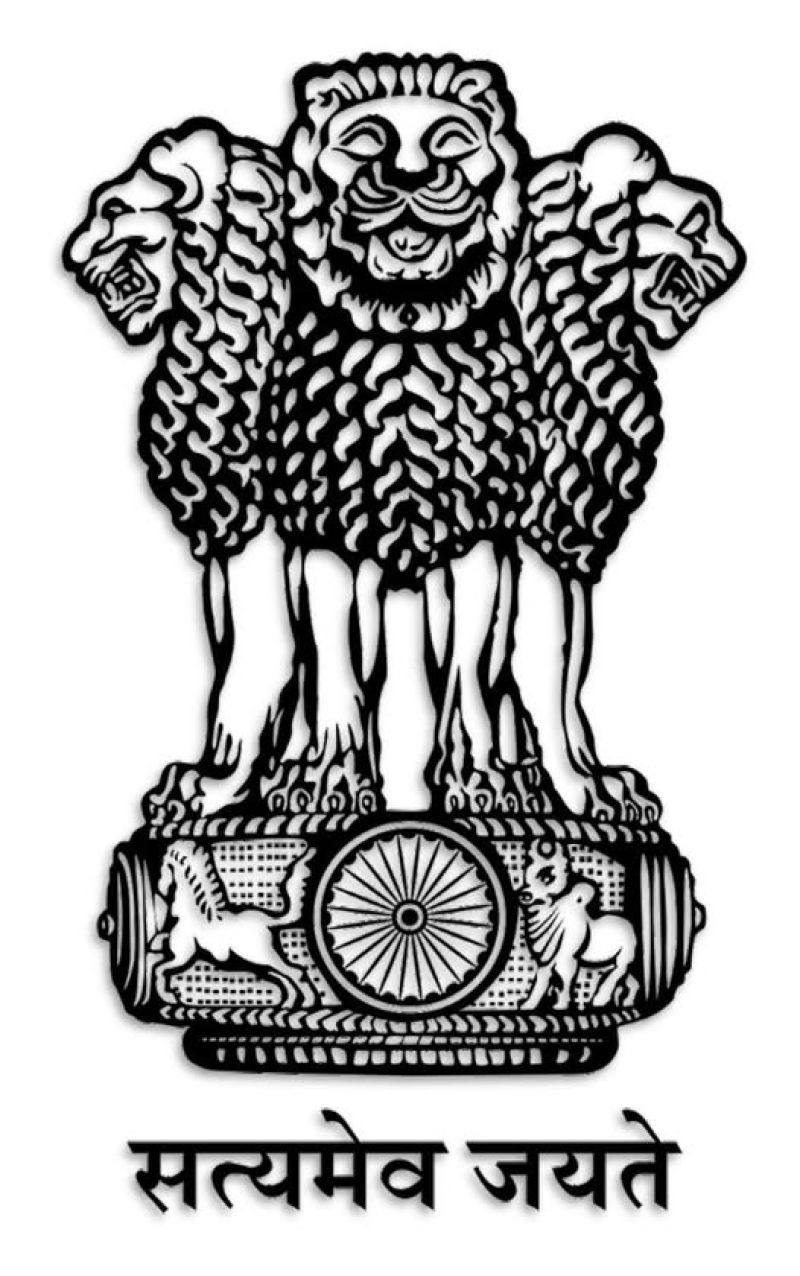
Satyameva Jayate: The Majestic Symbol of India's Soul and Sovereignty
Adopted on 26 January 1950, the Indian National Emblem is a powerful adaptation of the Lion Capital of Ashoka at Sarnath, a timeless symbol of wisdom, strength, and moral authority. Originally carved from a single block of polished sandstone, the capital features four lions standing back to back atop an abacus, adorned with high-relief sculptures of an elephant, galloping horse, bull, and lion, all separated by Dharma Chakras. In the official state emblem, only three lions are visible, the fourth concealed from view, with the bull to the right, horse to the left, and a prominent Dharma Chakra at the center. The bell-shaped lotus base is omitted, but below the abacus, in bold Devanagari script, are the profound words from the Mundaka Upanishad: Satyameva Jayate, “Truth Alone Triumphs,” capturing the spiritual and ethical essence of the Indian Republic.
→
From Globe, For Globe - Pulse of the Planet
Stamp
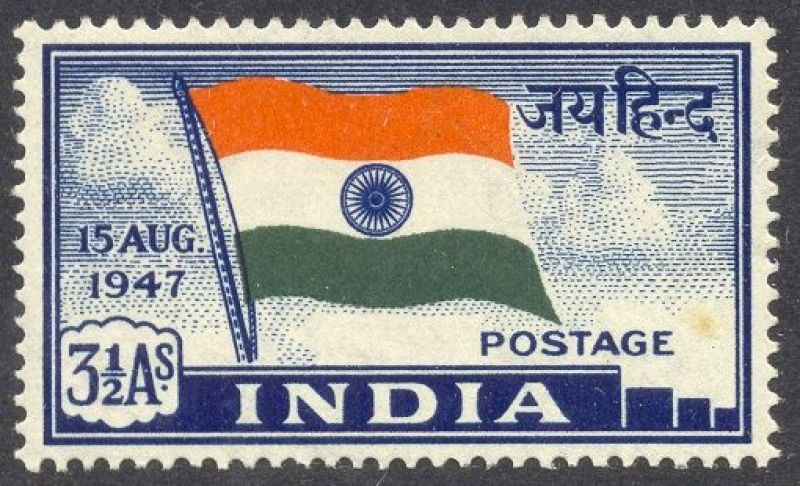
Stamped in Freedom: The Tiranga’s First Philatelic Flight
The first-ever stamp of independent India, adorned with the Indian Flag, was released on 21 November 1947, a symbol of sovereignty sent across borders. Designed for foreign correspondence, it carried not just ink and paper, but the soul of a newly freed nation. This historic stamp marked India's global identity, echoing pride with every postmarked impression. →
