


Sania Mirza: A Trailblazer Who Redefined Indian Women’s Tennis on the Global Stage1

From Nation, For Nation - Pulse of the Nation
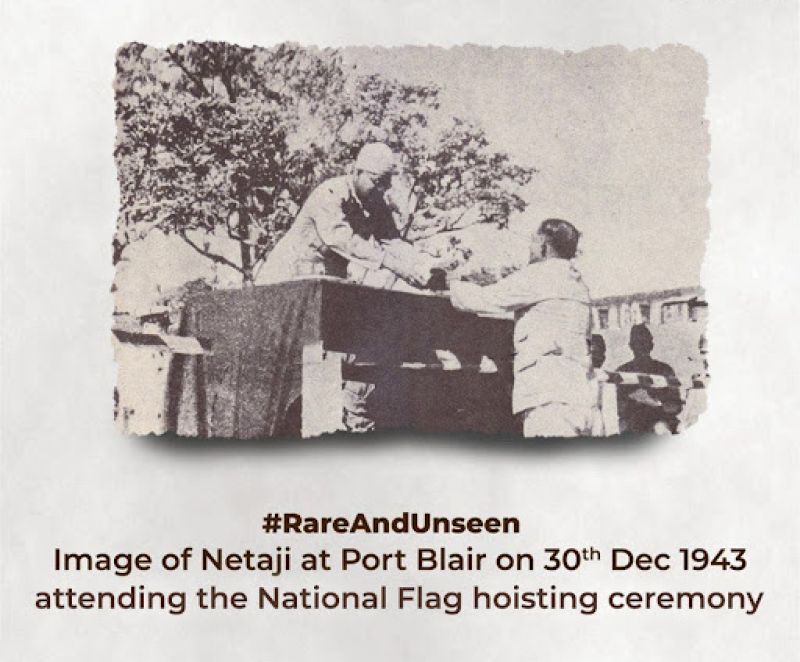
Netaji Bose Declares Andaman and Nicobar as Shaheed and Swaraj Islands in Freedom’s Fiery Dawn
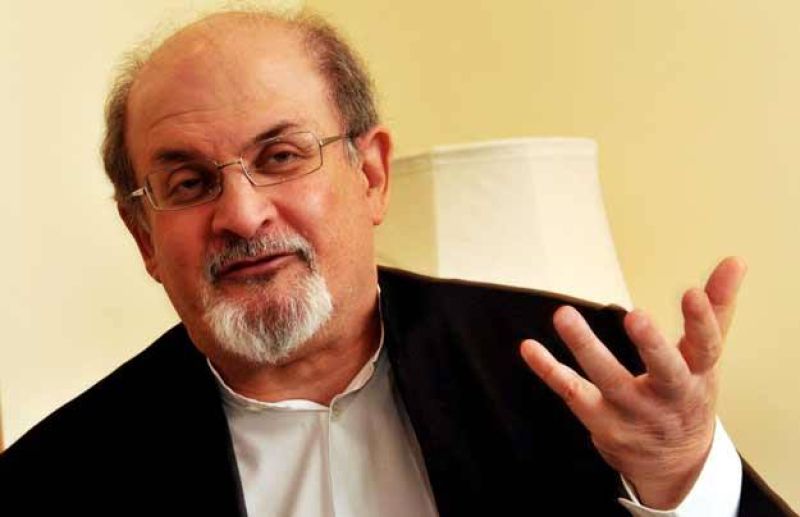
Salman Rushdie: A Fearless Voice of Imagination, Freedom, and Literary Brilliance
Rushdie’s life reflects resilience, courage, and an unwavering commitment to creative expression. Despite facing intense controversy and personal threats, he has remained steadfast in defending freedom of speech and the power of literature. His journey inspires writers, thinkers, and dreamers around the world to stand firm in their beliefs and to use their voice responsibly yet fearlessly. Salman Rushdie’s legacy reminds us that words have power-and with determination, intellect, and bravery, one can shape global conversations through the art of storytelling.
In the literary world, no one comes close to Sir Salman Rushdie - Man Booker awardee and controversial writer.
On behalf of all Indians-Indian Book of Records proud to say that you are an "Lead Indian". →
From Globe, For Globe - Pulse of the Planet

The Ashoka Chakra, prominently featured atop Emperor Ashoka’s pillars, symbolizes the teachings of the Buddha, paṭiccasamuppāda (Dependent Origination). Its 24 spokes represent the twelve causal links that explain the cycle of suffering and its cessation, both in forward and reverse order. This profound concept emphasizes that through awareness and cessation of ignorance, the chain of birth and death can be broken.
Each spoke reflects a principle vital for human evolution, ranging from Avidyā (ignorance) to Jarāmaraṇa (old age and death). The reversal of these links signifies liberation, nibbāna, achieved through the elimination of desire and mental conditioning. Thus, the Ashoka Chakra not only represents time and righteousness but also serves as a moral compass for leading a mindful, enlightened life.
→
