


Friday, 21, August, 2026

The Visionary Who Redefined Indian Cinema1
The Visionary Who Redefined Indian Cinema
From Nation, For Nation - Pulse of the Nation
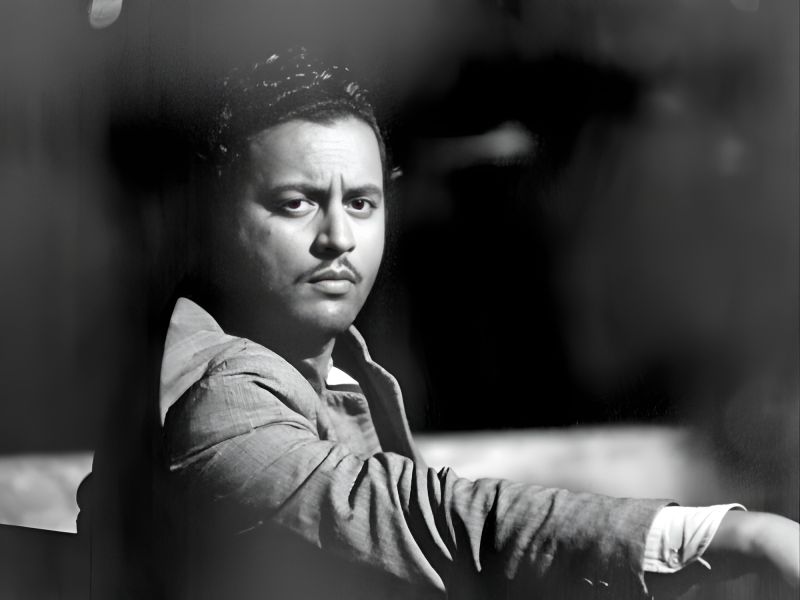
Guru Dutt
Guru Dutt

Guru Dutt: The Poet of Pain Who Transformed Indian Cinema
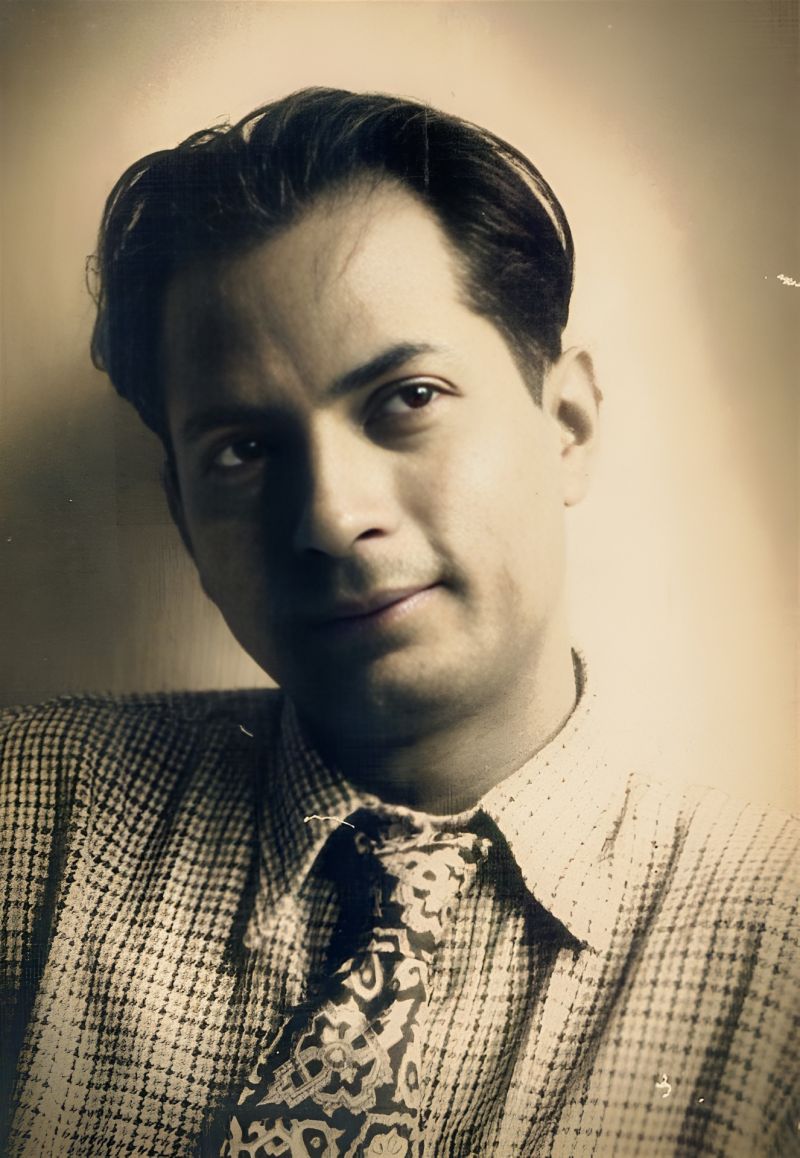
Guru Dutt remains one of the most iconic and emotionally profound filmmakers in Indian cinema. Born on July 9, 1925, he created timeless classics such as Pyaasa and Kaagaz Ke Phool, which explored themes of love, struggle, loneliness, and the harsh realities of society. His unique storytelling style, poetic visuals, and soulful music set new standards in filmmaking. Though many of his films were not fully appreciated during their time, they later gained immense recognition and are now regarded as masterpieces that continue to influence cinema worldwide.

Guru Dutt’s life is a powerful reminder that true artistry often goes beyond immediate success and recognition. His dedication to his craft, emotional depth, and courage to express truth inspire generations to follow their passion despite challenges. His journey encourages us to believe in our vision, embrace creativity, and remain resilient even in difficult times. Guru Dutt’s legacy teaches that meaningful work, created with sincerity and heart, will always find its place and inspire the world long after its time.

Bimal Roy
Bimal Roy

Bimal Roy: The Master of Realism Who Gave Soul to Indian Cinema

Bimal Roy was one of the most influential filmmakers in Indian cinema, celebrated for his realistic storytelling and deep social sensitivity. Born on July 12, 1909, he became a pioneer of neo-realistic cinema in India, creating timeless classics like Do Bigha Zamin and Bandini. His films beautifully portrayed the struggles of common people, touching on themes such as poverty, injustice, and human dignity. With a simple yet powerful narrative style, Bimal Roy brought authenticity and emotion to the screen, earning both national and international acclaim.

Bimal Roy’s journey inspires us to use creativity as a tool for meaningful change. Despite challenges, he remained committed to telling stories that mattered, giving a voice to the unheard and shining light on social realities. His work encourages aspiring filmmakers and individuals alike to stay true to their purpose, embrace sincerity, and create with compassion. His legacy stands as a reminder that impactful storytelling can transform perspectives, inspire empathy, and leave a lasting mark on society.
From Globe, For Globe - Pulse of the Planet
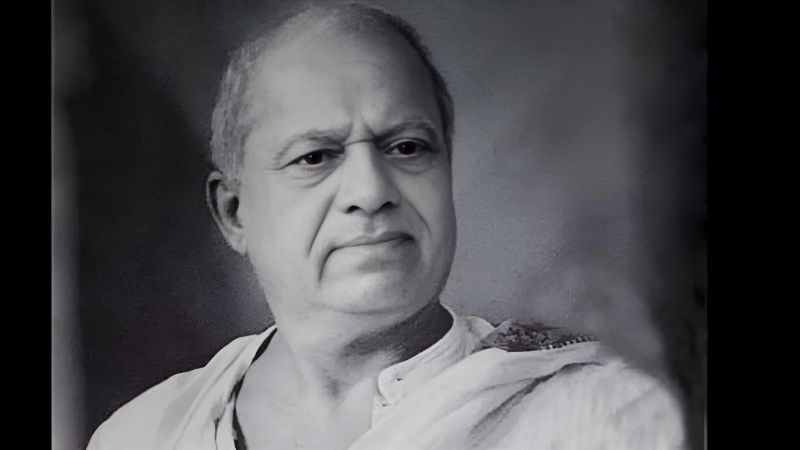
Dadasaheb Phalke
Dadasaheb Phalke
Dadasaheb Phalke: The Father of Indian Cinema Who Turned Vision into Reality

Dadasaheb Phalke, widely regarded as the “Father of Indian Cinema,” was a true pioneer who laid the foundation of the Indian film industry. Born on April 30, 1870, he made history by directing India’s first full-length feature film, Raja Harishchandra. At a time when filmmaking was an entirely new concept in India, Phalke faced numerous challenges, from limited resources to a lack of technical support. Yet, his determination, creativity, and belief in his vision helped him overcome every obstacle and create a path-breaking cinematic legacy.

Dadasaheb Phalke’s journey is a powerful inspiration for anyone striving to achieve greatness. His unwavering commitment and courage to explore the unknown remind us that innovation begins with a bold dream. He teaches us that success is not about having all the resources, but about having the passion and persistence to keep moving forward. His legacy continues to inspire generations to think creatively, take risks, and turn their ideas into reality, proving that one determined individual can transform an entire industry.
