


Divya Saketham Ascends to Immortality: Etches an Epochal Feat into the Indian Book of Record Echelons
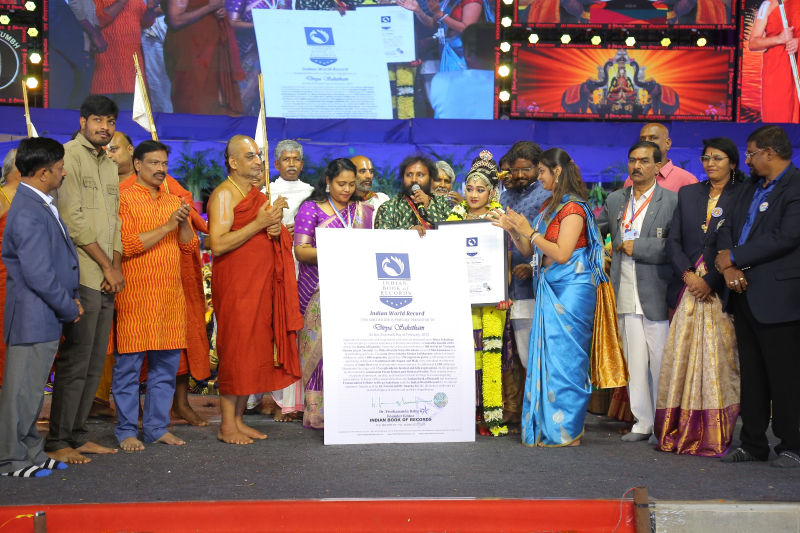
From Nation, For Nation - Pulse of the Nation
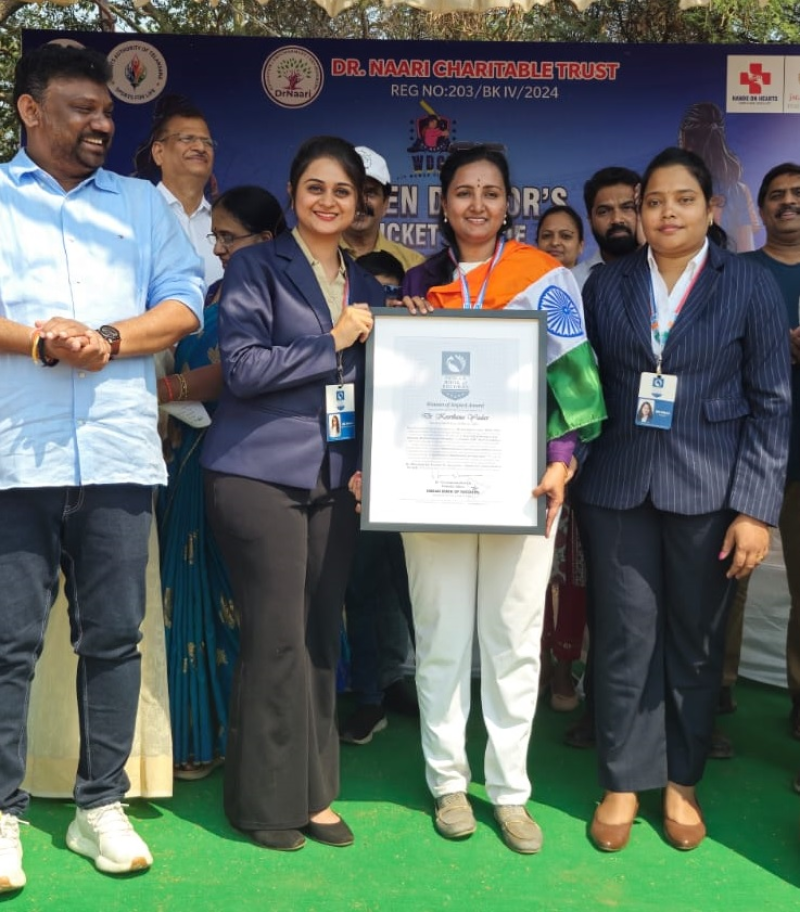
Dr. Keerthana Yadav: Anesthesia Expert, Empowerment Architect, Record-Maker
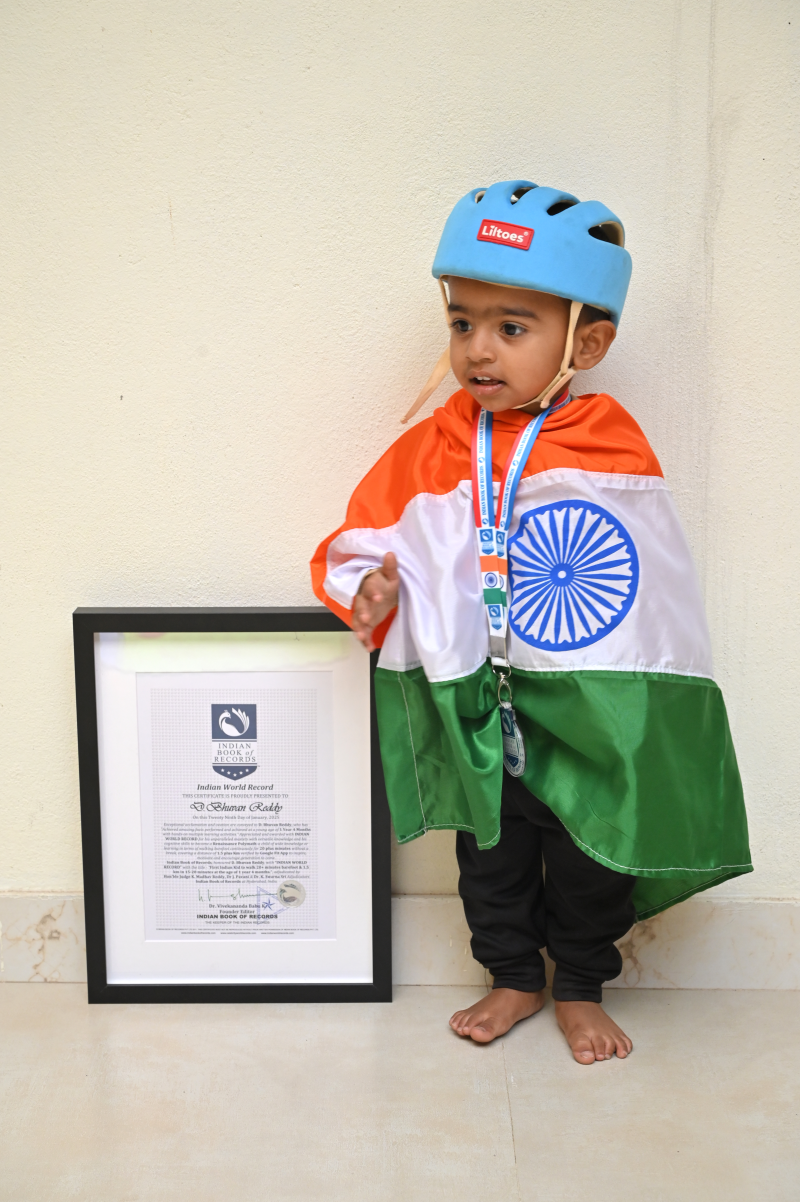
D. Bhuvan Reddy: India’s Youngest Barefoot Trailblazer Honoured with Indian Book of Record
From Globe, For Globe - Pulse of the Planet
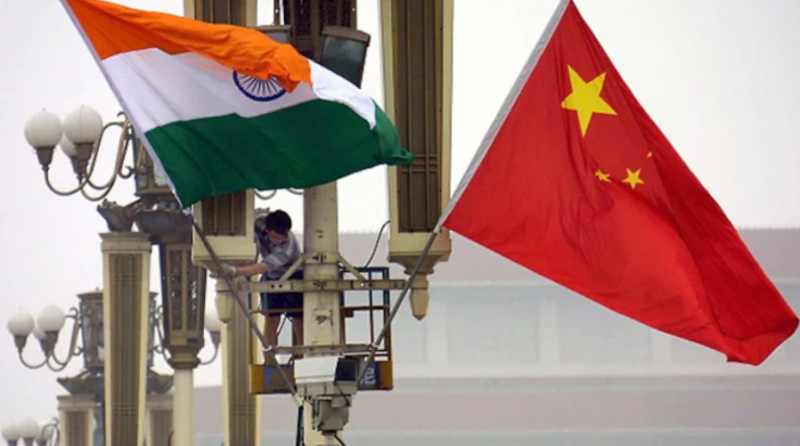
"China and India were not doomed to perpetual enmity. They could enjoy a long period of peace again, but to do so, China had to use force to 'knock' India back to the negotiating table," writes Henry Kissinger in his book On China, quoting Mao Zedong, the supreme leader of the Communist Party of China, in the context of the Indo-China War in 1962.
After the initial attack on India, Mao suddenly decided to end the stalemate, and his army generals were puzzled by his move. Mao explained to them that he never wanted to defeat India; the whole military exercise was to bring India to the negotiating table.
Since then, there have been skirmishes on the border with Chinese troops, but never a war. The most recent skirmish was in Galwan, where troops from both countries fought with each other. During Operation Sindoor, however, the Indian Forces witnessed a unique phenomenon. As deputy chief of armed forces, Lieutenant General Rahul Singh described that the Indian army was fighting two enemies on one border. He meant that along with Pakistan, China was also fighting a war against India; it used the theatre of war for testing its weaponry. By any definition, it was an enemy act.
→
