


The Medical Mystery of Tarrare, a Cannibalistic French Spy

From Nation, For Nation - Pulse of the Nation
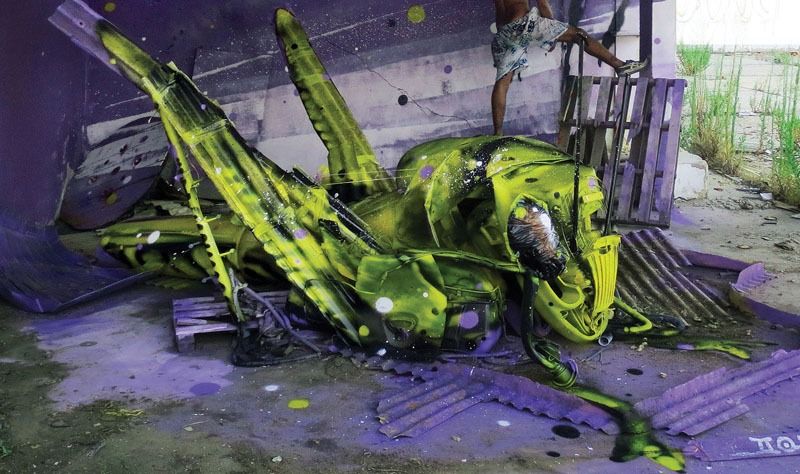
Street Artist Bordalo II Turns Trash Into Vibrant Sculptures
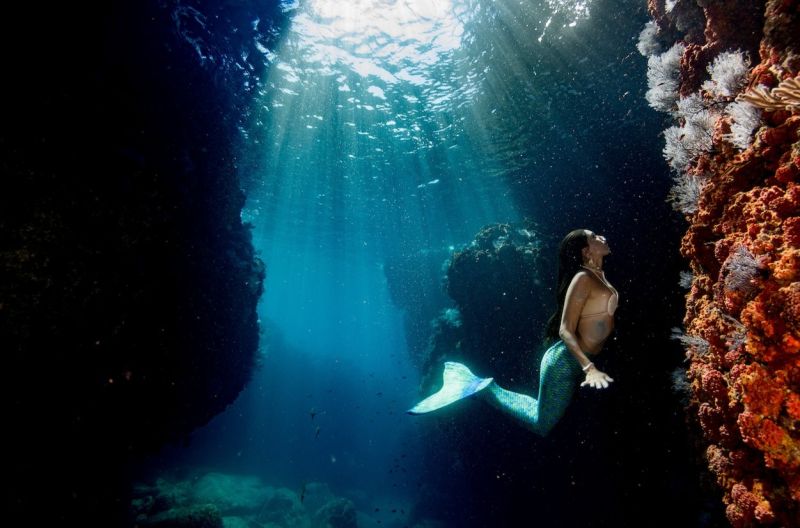
The History of Mermen and Mermaids
Early History of Mermen and Mermaids
From the Selkies of Scotland to the Ipupiara of 16th-century Brazil, the history of mermaids stretches back through the folklore, legends, and myths of different cultures around the world. While some tales feature beautiful women with long tails instead of legs who send sailors to the bottom of the sea, others depict helpful goddesses, creatures more bird than fish, or beings more fish than woman.
Believe It or Not!, the first mermaid tale might swim all the way back to ancient Syria around 1000 BC. Legend has it that Atargatis, deeply in love with a mortal shepherd, accidentally caused his death. Stricken with sorrow and guilt, she plunged into a lake, hoping to become a fish. However, her divine beauty shone through, transforming her into a mermaid instead.
Mermen appear in Babylonian mythology, where the god Ea is described as having the body of both a man and a fish. Then there’s the more well-known merman, Triton, who was depicted as half man and half fish in art.
→
From Globe, For Globe - Pulse of the Planet
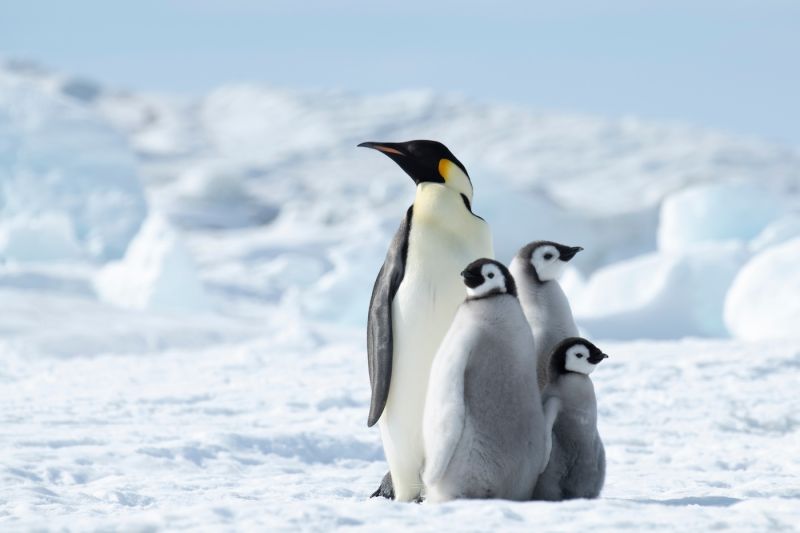
What Does Antarctica Smell Like?
Those lucky enough to visit Antarctica often remark upon the crisp, clean, and almost scentless nature of the landscape.
As nothing but sea and ice stretches on for hundreds of miles, there's little for human olfactory senses to register besides a few molecules of water vapor. That's, of course, barring the fishy musk from a bob of seals, the krill breath of a whale expelling hundreds of gallons of air from its lungs before another dive, or the feces of a thousand-strong colony of penguins.
Once you encounter living things, that crisp smell is supplanted with the diverse smells of life.
Just How Much do Penguins Poop?
Penguins may be the adorable, tuxedoed waddlers of the animal kingdom. But their poop—not just their charm—is making a big impact on the planet.
Large penguin colonies produce a pungent aroma thanks to their guano, which is rich in nitrogen and off-gassing ammonia. Scientists who study these colonies say the smell hits you before the penguins even come into view.
While the South African penguins found in Ripley's Aquarium of the Smokies and Aquarium of Myrtle Beach don't hail from Antarctica, they've thoroughly acquainted our husbandry staff with their fecal functions.
Our dedicated team of aquarists scrub the floor and rocks of our penguin habitats three times a day. Why? Because penguins poop every 5-15 minutes.
According to Ripley's Husbandry, they can even project their poop up to three feet!
→

Referred by ripleys.com - where the world’s most extraordinary stories are discovered and celebrated.