


Spy Radio Stations that Still Broadcast Today - This old school spy transcription technique still exists today!

From Nation, For Nation - Pulse of the Nation

ChatGPT said: "Olympic Extremes: Battling Nature at the Coldest and Hottest Games in History"
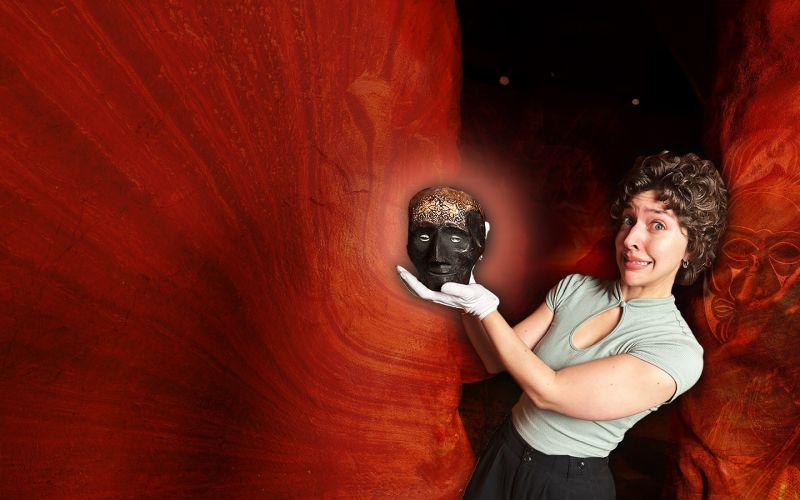
Up Close & Peculiar
This human skull was once worn as jewelry.
Headhunting as a Sacred Ritual
For the Dayak people, headhunting wasn’t violence for violence’s sake. It was believed that taking an enemy’s head transferred their spirit, strength, and wisdom to the victor. The skulls of defeated enemies were thought to protect the village, ensure fertile crops, and even bring in a bountiful rice harvest.
A Symbol of Strength and Identity
Trophy skulls were highly cherished. Often preserved in bark boxes, these skulls were displayed in homes, worn in ceremonies, and even brought into future battles as talismans of strength and intimidation.
Headhunting was considered a “blood credit,” or a way to avenge a death within the tribe. It was so woven into Dayak identity that a warrior’s dowry could even include a human head, proving his ability to defend and provide for a family. →
From Globe, For Globe - Pulse of the Planet
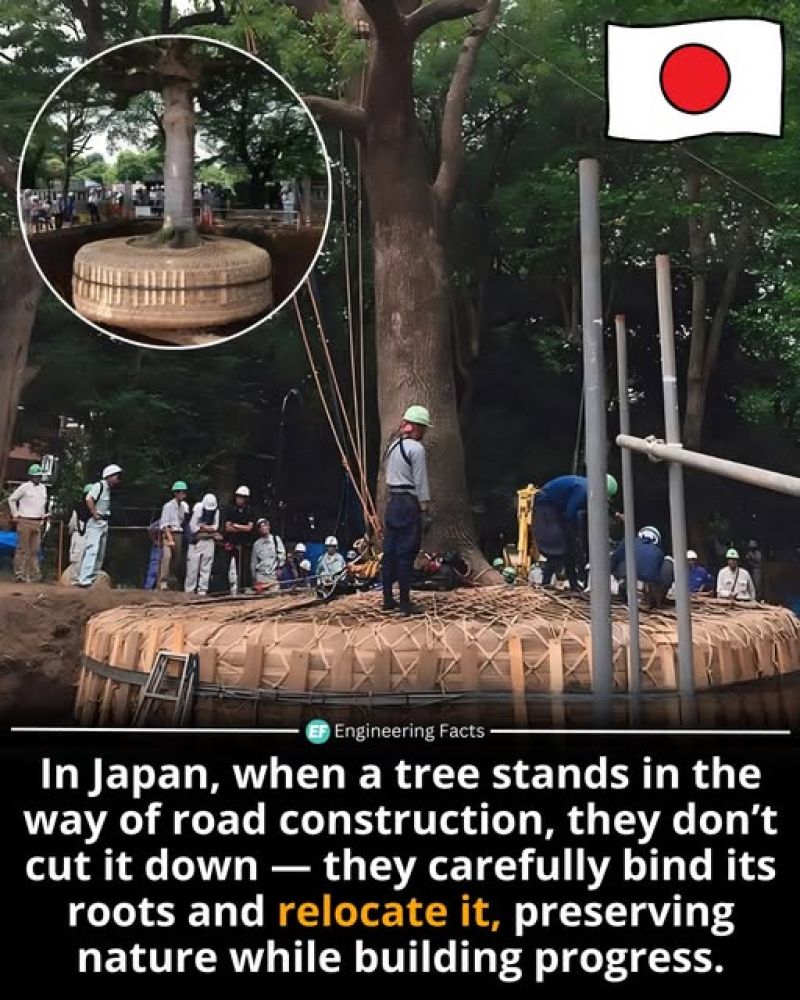
In Japan, development and environmental respect are not seen as opposites. When a mature tree stands in the way of urban progress, engineers use a technique called "tree transplantation," where roots are wrapped in protective mesh, the soil is stabilized, and the tree is lifted whole using precision machinery. This not only preserves the life of the tree but also maintains ecological balance in urban areas.
This principle is deeply rooted in Japan’s cultural connection to nature, from bonsai cultivation to Shinto beliefs that honor trees as sacred. Rather than opting for convenience, Japan proves that with patience and care, modern infrastructure can grow without cutting down what has grown for decades.
→

Referred by ripleys.com - where the world’s most extraordinary stories are discovered and celebrated.