


Swiss Break Record with 1.2-Mile-Long Passenger Train

From Nation, For Nation - Pulse of the Nation
Show

Watch the Trained Rats and Cats
Poop
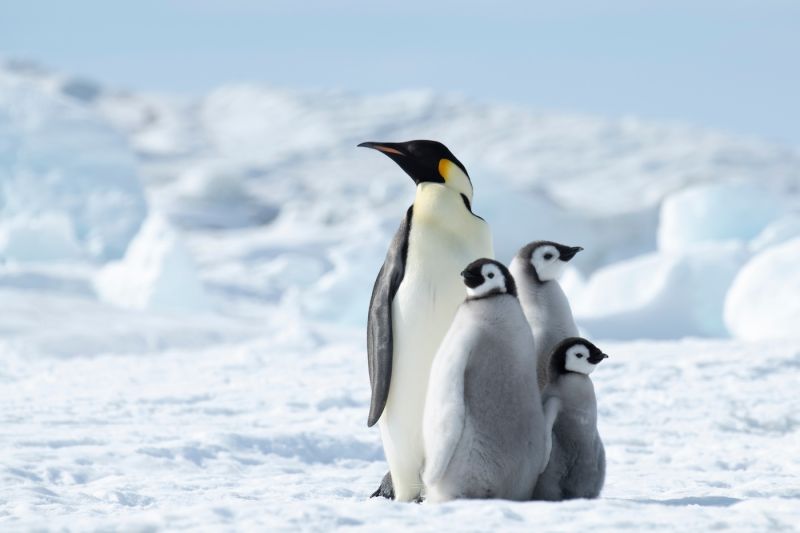
How Penguin Poop Clouds Fight Global Warming - Penguin Poop is Visible from Space.
What Does Antarctica Smell Like?
Those lucky enough to visit Antarctica often remark upon the crisp, clean, and almost scentless nature of the landscape.
As nothing but sea and ice stretches on for hundreds of miles, there's little for human olfactory senses to register besides a few molecules of water vapor. That's, of course, barring the fishy musk from a bob of seals, the krill breath of a whale expelling hundreds of gallons of air from its lungs before another dive, or the feces of a thousand-strong colony of penguins.
Once you encounter living things, that crisp smell is supplanted with the diverse smells of life.
Just How Much do Penguins Poop?
Penguins may be the adorable, tuxedoed waddlers of the animal kingdom. But their poop—not just their charm—is making a big impact on the planet.
Large penguin colonies produce a pungent aroma thanks to their guano, which is rich in nitrogen and off-gassing ammonia. Scientists who study these colonies say the smell hits you before the penguins even come into view.
While the South African penguins found in Ripley's Aquarium of the Smokies and Aquarium of Myrtle Beach don't hail from Antarctica, they've thoroughly acquainted our husbandry staff with their fecal functions.
Our dedicated team of aquarists scrub the floor and rocks of our penguin habitats three times a day. Why? Because penguins poop every 5-15 minutes.
According to Ripley's Husbandry, they can even project their poop up to three feet! →
Those lucky enough to visit Antarctica often remark upon the crisp, clean, and almost scentless nature of the landscape.
As nothing but sea and ice stretches on for hundreds of miles, there's little for human olfactory senses to register besides a few molecules of water vapor. That's, of course, barring the fishy musk from a bob of seals, the krill breath of a whale expelling hundreds of gallons of air from its lungs before another dive, or the feces of a thousand-strong colony of penguins.
Once you encounter living things, that crisp smell is supplanted with the diverse smells of life.
Just How Much do Penguins Poop?
Penguins may be the adorable, tuxedoed waddlers of the animal kingdom. But their poop—not just their charm—is making a big impact on the planet.
Large penguin colonies produce a pungent aroma thanks to their guano, which is rich in nitrogen and off-gassing ammonia. Scientists who study these colonies say the smell hits you before the penguins even come into view.
While the South African penguins found in Ripley's Aquarium of the Smokies and Aquarium of Myrtle Beach don't hail from Antarctica, they've thoroughly acquainted our husbandry staff with their fecal functions.
Our dedicated team of aquarists scrub the floor and rocks of our penguin habitats three times a day. Why? Because penguins poop every 5-15 minutes.
According to Ripley's Husbandry, they can even project their poop up to three feet! →
From Globe, For Globe - Pulse of the Planet
Cold-Hot
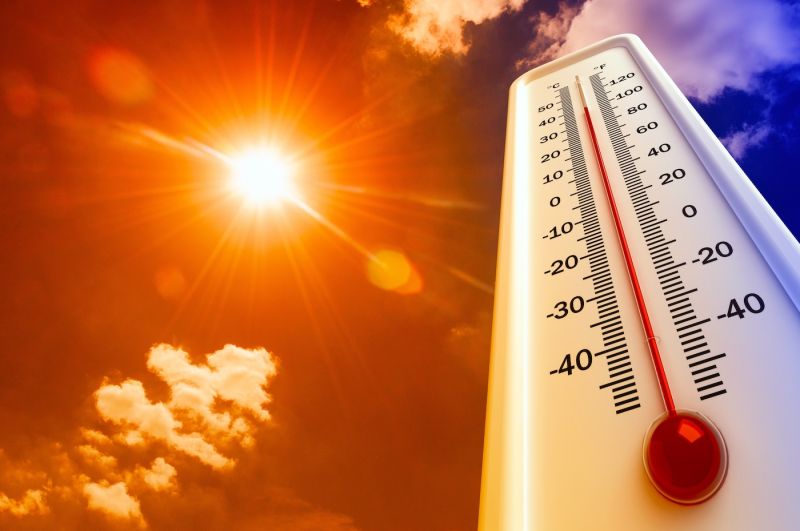
ChatGPT said: "Olympic Extremes: Battling Nature at the Coldest and Hottest Games in History"
The Olympic Games have witnessed nature’s extremes, from bone-chilling cold to blistering heat. The coldest Olympics on record were the 1994 Winter Games in Lillehammer, Norway, where temperatures plunged below -20°C. In stark contrast, the 2020 Tokyo Summer Olympics faced intense heat and humidity, testing athletes' resilience under sweltering conditions exceeding 33°C. →

Referred by ripleys.com - where the world’s most extraordinary stories are discovered and celebrated.