


Trees are Migrating West

From Nation, For Nation - Pulse of the Nation
Those Four Small Words

How Do You Fight a Nightmare? With Science. Sleep paralysis demons, beware.
Before we start our fight, let’s understand the enemy. Nightmares occur during REM (Rapid Eye Movement) sleep, the stage where our brains are most active, and dreams—pleasant or horrifying—take center stage.
Unlike their dreamy counterparts, nightmares are often linked to heightened emotional responses, especially fear and anxiety. They’re like our brain’s way of playing out our deepest fears, unresolved conflicts, or even just a large portion of extra spicy food (or too much pizza) before bed.
Nightmares aren’t just a product of modern stressors, though. They’ve haunted humanity since we first learned to sleep in caves. Cultures worldwide have long grappled with the meaning of nightmares, attributing them to everything from restless spirits to divine warnings.
The Nightmares That Fight Back: Sleep Paralysis
For some people, nightmares don’t end when they wake up. Sleep paralysis—a condition where the body remains immobilized while the mind is partially awake—often comes with vivid hallucinations of shadowy figures or otherworldly creatures like the Hat Man. It’s a waking nightmare that has been scaring the wits out of people for centuries, including the Hmong people’s Dab Tsog evil spirit, believed to suffocate its victims and the Old Hag folklore in Western cultures.
Ref : https://www.ripleys.com/stories/fighting-our-nightmares
→
From Globe, For Globe - Pulse of the Planet
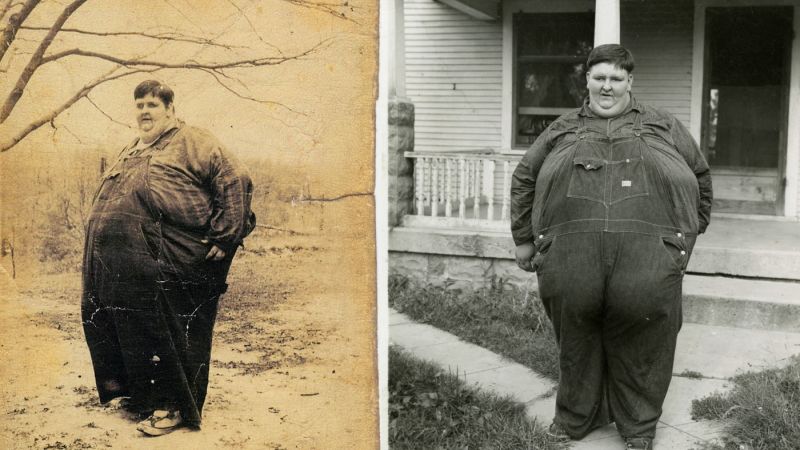
Known for having the largest chest measurement ever recorded at a staggering 124 inches (315 cm), Robert was once crowned the heaviest human alive in 1955.
But Robert’s story goes far beyond the numbers-it’s one of strength, spirit, and the extraordinary power of optimism.
A Normal Beginning Turned Unbelievable
Robert was born in 1926 in Monticello, Missouri, weighing an above-average, but not shocking, 11 pounds, 4 ounces. At just five months old, he contracted whooping cough. Doctors believed the illness ruptured his thyroid gland, triggering the uncontrollable weight gain that would shape his life.
Soon after, his family moved to Fishhook, Illinois, where Robert would grow up alongside his two younger brothers. By age six, Robert weighed over 200 pounds. By age 10, he was nearing 380. His weight climbed rapidly, but so did his heart and hunger for life.
→

Referred by ripleys.com - where the world’s most extraordinary stories are discovered and celebrated.