


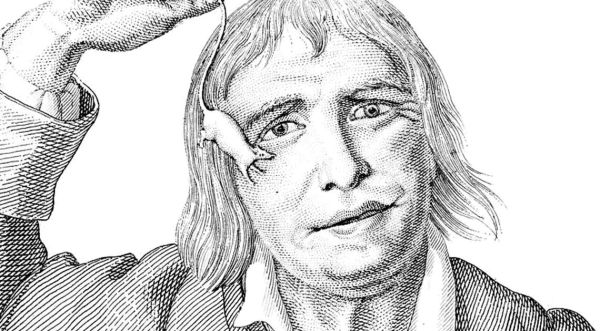
The Medical Mystery of Tarrare, a Cannibalistic French Spy
From Nation, For Nation - Pulse of the Nation
'Jingle Bells' Isn’t a Christmas Song
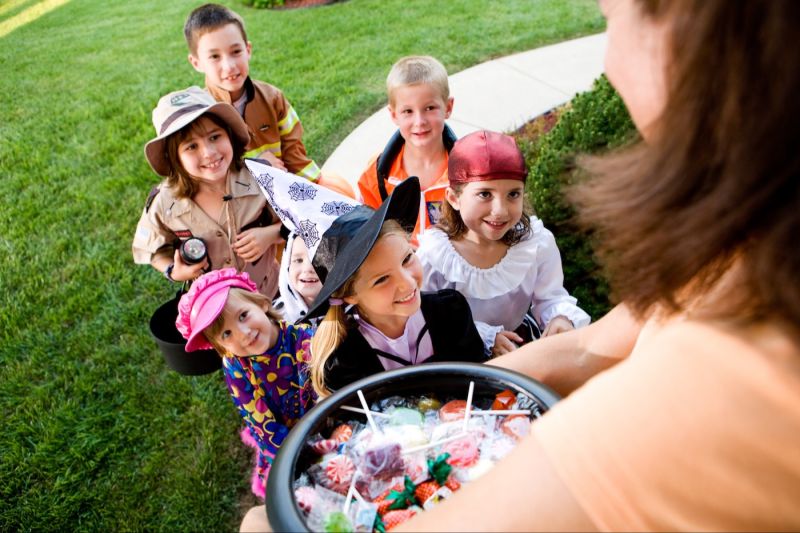
Why Do We Go Trick-or-Treating on Halloween?
As centuries passed, these pagan traditions blended with Christian beliefs during the Middle Ages, evolving into practices tied to All Saints’ Day and All Souls’ Day. One such custom was souling, where the poor and children went from house to house asking for small spiced pastries known as soul cakes. In return, they promised to say prayers for the souls of the dead, especially those believed to be in purgatory. These exchanges of food, prayers, and blessings created a door-to-door tradition rooted in faith, remembrance, and community. Over time, songs, costumes, and small rewards became part of the ritual, laying the foundation for Halloween’s familiar knock-and-receive pattern.
By the late 19th and early 20th centuries, Halloween had shifted again, this time toward playful mischief. “Mischief Night” pranks-like soaping windows or tipping over gates-gave rise to the idea that if no treat was given, a trick might follow. The phrase “trick or treat” appeared in North America in the early 1900s, and after World War II, the end of sugar rationing helped candy replace homemade goods. What began as offerings to spirits and prayers for souls became a joyful tradition centered on children, costumes, and candy. Today’s trick-or-treating may be sweet and lighthearted, but it carries echoes of ancient rituals, medieval faith, and centuries of evolving tradition woven into every knock on the door. →
From Globe, For Globe - Pulse of the Planet
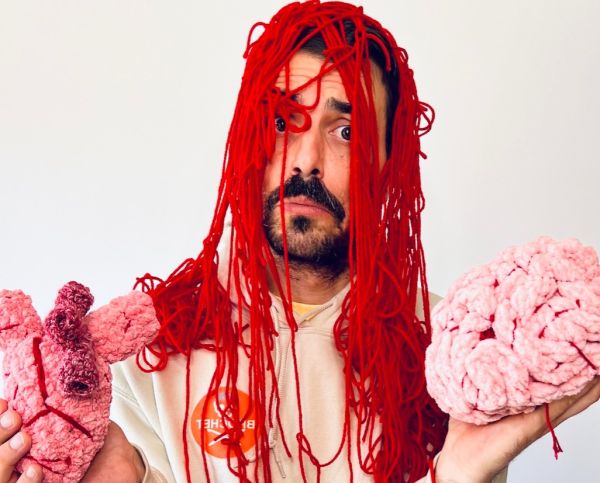
Think crochet is limited to blankets, scarves, and cozy sweaters? California-based creator Steven Borzachillo is redefining the craft with his wildly imaginative style called Brochet, a bold and bizarre twist that turns traditional crochet on its head. Instead of soft fashion or home décor, Steven creates unexpected yarn sculptures that challenge assumptions about what crochet can be. His work blends shock value with humor, transforming a gentle, familiar craft into something that makes people stop, stare, and laugh.
At the heart of Brochet are Steven’s soft-but-fierce creations, including plush ninja stars, cushioned spears, and even a fully crocheted yarn cannon. Though they look dangerous at first glance, every piece is completely harmless, squishy, and carefully handmade. He pushes the concept even further with crocheted bloody guts, severed limbs, and eerie body parts made entirely from colorful yarn. The contrast between gruesome imagery and soft materials creates a playful visual joke—startling at first, then undeniably funny once the illusion fades.
Despite the intense appearance of his work, Steven emphasizes that Brochet is not about violence, but about creativity, humor, and breaking artistic rules. His goal is to make people do a double-take, rethink stereotypes around crochet, and realize that the craft is open to everyone. By flipping expectations and embracing the absurd, Steven hopes to inspire others to pick up hooks and yarn, proving that even the softest materials can deliver the boldest artistic statements.
→

Referred by ripleys.com - where the world’s most extraordinary stories are discovered and celebrated.