


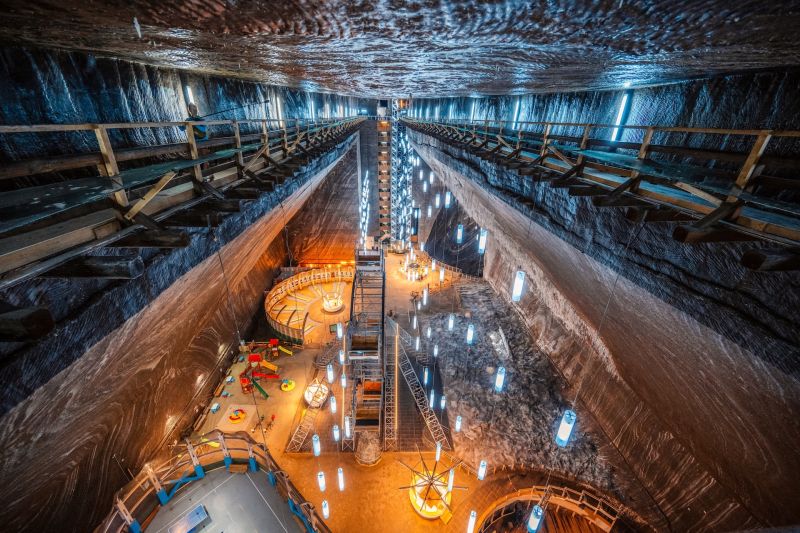
A Functioning Theme Park... 400 Feet Underground?
From Nation, For Nation - Pulse of the Nation
Halloween

Why Do We Go Trick-or-Treating on Halloween?
75 Years of Strange
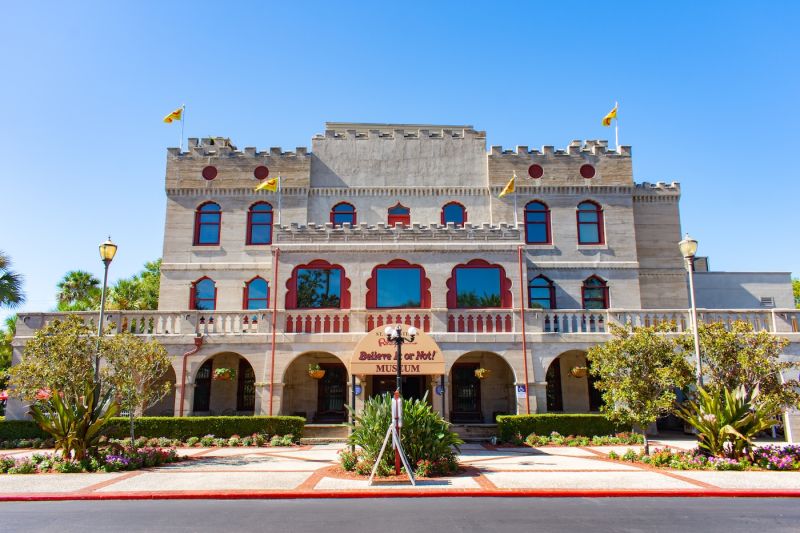
Augustine Celebrates 75 Years of Strange
For 75 years, the unbelievable has felt right at home in America’s oldest city.
Ripley’s Believe It or Not! St. Augustine celebrates three-quarters of a century of strange memories,
jaw-dropping artifacts, and unforgettable experiences that continue to amaze visitors of all ages.
Since 1950, Ripley’s Believe It or Not! St. Augustine has stood as the first, oldest, and largest attraction of its kind.
Housed in the iconic and supposedly haunted Castle Warden building of 1887 on San Marco Avenue,
the historic site once welcomed world traveler Robert Ripley himself and now hosts millions of curious minds.
Marking its 75th year, the attraction introduces *Cryptids: Where Legends Live*, an immersive new exhibit.
Guests encounter legendary beings like Bigfoot and Mothman through artifacts, interactive displays, and compelling stories,
blending myth, mystery, and science while inviting visitors to explore the unexplained for themselves.
→
Ripley’s Believe It or Not! St. Augustine celebrates three-quarters of a century of strange memories,
jaw-dropping artifacts, and unforgettable experiences that continue to amaze visitors of all ages.
Since 1950, Ripley’s Believe It or Not! St. Augustine has stood as the first, oldest, and largest attraction of its kind.
Housed in the iconic and supposedly haunted Castle Warden building of 1887 on San Marco Avenue,
the historic site once welcomed world traveler Robert Ripley himself and now hosts millions of curious minds.
Marking its 75th year, the attraction introduces *Cryptids: Where Legends Live*, an immersive new exhibit.
Guests encounter legendary beings like Bigfoot and Mothman through artifacts, interactive displays, and compelling stories,
blending myth, mystery, and science while inviting visitors to explore the unexplained for themselves.
→
From Globe, For Globe - Pulse of the Planet
Steven Borzachillo

Meet the Man Behind “Brochet”: The Wild, Woolly Art of Steven Borzachillo
California creator Steven Borzachillo reinvents crochet through Brochet, crafting bold and humorous soft sculptures like plush weapons and spooky props that look shocking but are entirely harmless and handmade from yarn. →

Referred by ripleys.com - where the world’s most extraordinary stories are discovered and celebrated.