


Street Artist Bordalo II Turns Trash Into Vibrant Sculptures

From Nation, For Nation - Pulse of the Nation

Hot Dogs by the Numbers: Fourth of July Traditions
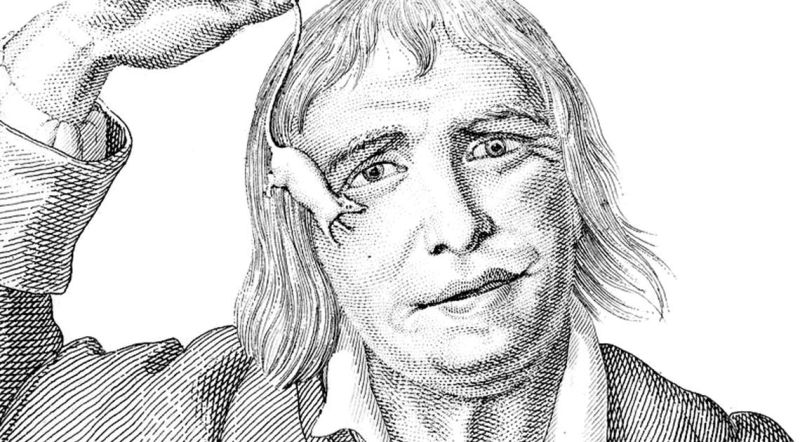
The Medical Mystery of Tarrare, a Cannibalistic French Spy
The crack team at Ripleys.com was able to speak with a doctor who specializes in science-based nutrition in search of a possible diagnosis, but first, let’s chew the fat on the life of this legendary cannibal and his strange circumstances of existence. Be warned, this is not for the weak of heart, but if you think you can stomach it, then strap in! →
From Globe, For Globe - Pulse of the Planet
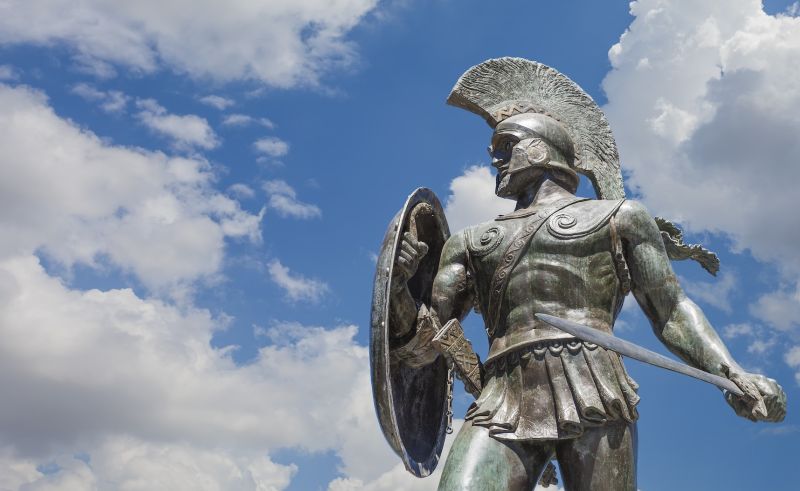
Who can forget the tale of the 300 Spartans who held the pass of Thermopylae for three days against Persian hordes from the east? Movies such as 2006’s 300 continue to bring this landmark moment in ancient Greek history to life. They emphasize themes central to the fight, including freedom against oppression and courage in the face of insurmountable odds.
But did 300 Spartans really make a final stand against King Xerxes’s massive army of millions? Here’s what we now know about the Spartan and Greek sacrifice that occurred that day.
The Persian Invasion of Greece
In 480 B.C., King Xerxes I of Persia had an axe to grind with the Greek city-states. His father King Darius invaded what is modern-day Greece in 492 B.C. This invasion involved two campaigns, resulting in a decisive Athenian (Greek) victory during the Battle of Marathon in 490 B.C.
Darius had hoped to kill two birds with one stone during the invasion. First, he wished to punish the Greeks for their support of the cities of Ionia (in modern-day Turkey) during a revolt against Persian rule. Second, he saw an opportunity to expand his empire westward.
After the final defeat of the Persians at Marathon, however, Darius died before he could lay siege to the Greek Peloponnese and mainland again. After Xerxes succeeded him, the son took up his father’s grudge and was determined to conquer the Greeks once and for all.
The Greeks Unite
Although the residents of the various Greek city-states shared some basic cultural similarities, they also fought and vied for power amongst themselves. These differences led to competitions such as the Olympics as well as outright warfare. Among the most often contrasted city-states were those of Athens and Sparta.
→

Referred by ripleys.com - where the world’s most extraordinary stories are discovered and celebrated.