


Meet the Man Behind “Brochet”: The Wild, Woolly Art of Steven Borzachillo
From Nation, For Nation - Pulse of the Nation

Is tryptophan really the sleep villain?
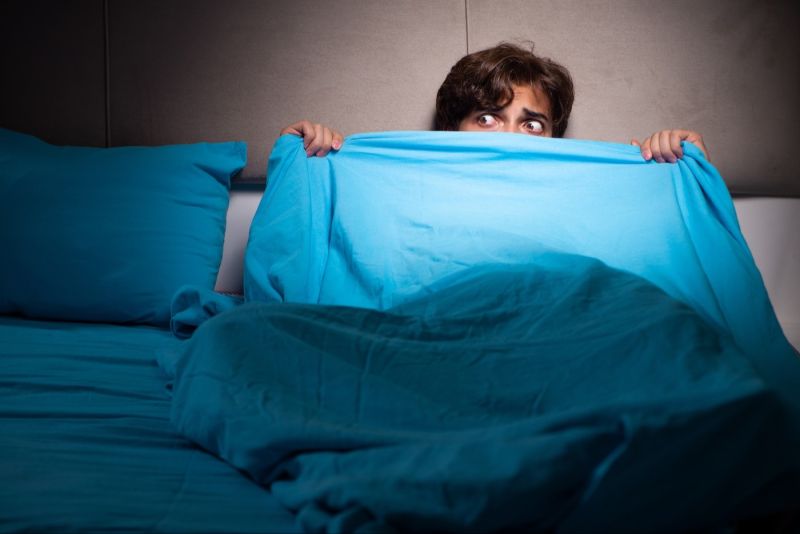
How Do You Fight a Nightmare? With Science. Sleep paralysis demons, beware.
Before we start our fight, let’s understand the enemy. Nightmares occur during REM (Rapid Eye Movement) sleep, the stage where our brains are most active, and dreams—pleasant or horrifying—take center stage.
Unlike their dreamy counterparts, nightmares are often linked to heightened emotional responses, especially fear and anxiety. They’re like our brain’s way of playing out our deepest fears, unresolved conflicts, or even just a large portion of extra spicy food (or too much pizza) before bed.
Nightmares aren’t just a product of modern stressors, though. They’ve haunted humanity since we first learned to sleep in caves. Cultures worldwide have long grappled with the meaning of nightmares, attributing them to everything from restless spirits to divine warnings.
The Nightmares That Fight Back: Sleep Paralysis
For some people, nightmares don’t end when they wake up. Sleep paralysis—a condition where the body remains immobilized while the mind is partially awake—often comes with vivid hallucinations of shadowy figures or otherworldly creatures like the Hat Man. It’s a waking nightmare that has been scaring the wits out of people for centuries, including the Hmong people’s Dab Tsog evil spirit, believed to suffocate its victims and the Old Hag folklore in Western cultures.
Ref : https://www.ripleys.com/stories/fighting-our-nightmares
→
From Globe, For Globe - Pulse of the Planet
September 6 is World Beard Day, and to get you in the spirit, we here at Ripley’s Believe It or Not! are brushing through history to bring you some of the strangest, boldest, and most iconic whiskers the world has ever seen.
From philosophers and presidents to rock stars and even wizards, these beards aren’t just facial hair; they’re iconic symbols of power, wisdom, and style. So, without further ado, here is our quintessential most influential beard list!
1. Abraham Lincoln
Honest Abe wasn’t always so hairy. In fact, he ran for president clean-shaven! It wasn’t until 11-year-old Grace Bedell wrote him a letter suggesting he grow whiskers to look more distinguished that Lincoln embraced the beard. He debuted his iconic beard during his campaign, and the look stuck.
Lincoln became the first U.S. president to wear a full beard in office, and it quickly became part of his iconic image. Statues, portraits, even the penny in your pocket, all trace their inspiration back to that one young girl’s suggestion.
2. ZZ Top
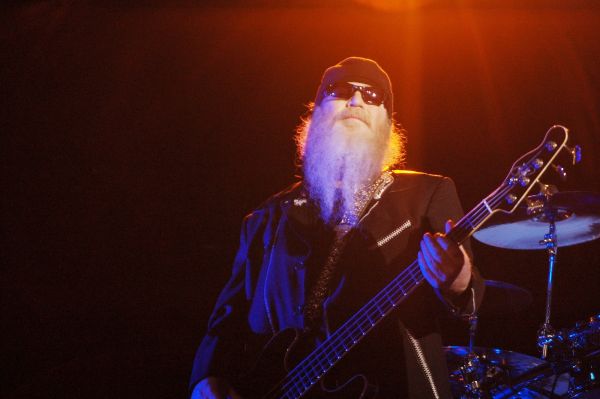
When it comes to legendary facial hair, few can compete with Billy Gibbons and Dusty Hill of ZZ Top. Their long, flowing chest-length beards became as famous as their bluesy guitar riffs.
3. Leonardo da Vinci
Leonardo da Vinci didn’t just invent machines, paint masterpieces, and sketch futuristic ideas; he also wore one of the most recognizable beards in history. His long, flowing beard gave him the air of a wise sage, perfectly fitting for a man often called the ultimate Renaissance genius.
Da Vinci’s likeness, with his long beard, remains one of the most reproduced images in the world. For centuries, his beard has symbolized creativity, brilliance, and vision.
4. Confucius
The Chinese philosopher Confucius shaped the way millions view morality and society, and his facial hair was just as legendary as his teachings. He is often depicted with a long, wispy beard and drooping mustache, symbols of wisdom and authority in ancient Chinese culture.
Confucius taught that one’s body was a gift from their parents and should never be altered. He urged followers not to tattoo their skin or cut their hair, beards, or fingernails, preserving their form as received.
5. Charles Darwin
Charles Darwin’s groundbreaking theory of evolution changed the way we see the world, but his facial hair changed the way we see him. Later in life, Darwin grew a thick, full beard that became almost as famous as On the Origin of Species.
The scientist’s wild mane gave him an aura of eccentric genius, and his portrait with piercing eyes and that snowy-white beard has become a staple of biology textbooks and museum walls. Some scientists even claim Darwin helped make beards fashionable again in Victorian England!
→

Referred by ripleys.com - where the world’s most extraordinary stories are discovered and celebrated.