


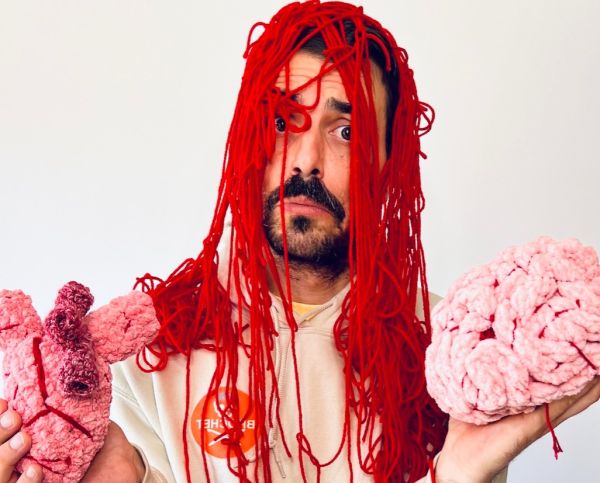
Meet the Man Behind “Brochet”: The Wild, Woolly Art of Steven Borzachillo
From Nation, For Nation - Pulse of the Nation

Is tryptophan really the sleep villain?
World Beard Day: Top 5 Most Influential Beards
From philosophers and presidents to rock stars and even wizards, these beards aren’t just facial hair; they’re iconic symbols of power, wisdom, and style. So, without further ado, here is our quintessential most influential beard list!
1. Abraham Lincoln
Honest Abe wasn’t always so hairy. In fact, he ran for president clean-shaven! It wasn’t until 11-year-old Grace Bedell wrote him a letter suggesting he grow whiskers to look more distinguished that Lincoln embraced the beard. He debuted his iconic beard during his campaign, and the look stuck.
Lincoln became the first U.S. president to wear a full beard in office, and it quickly became part of his iconic image. Statues, portraits, even the penny in your pocket, all trace their inspiration back to that one young girl’s suggestion.
2. ZZ Top
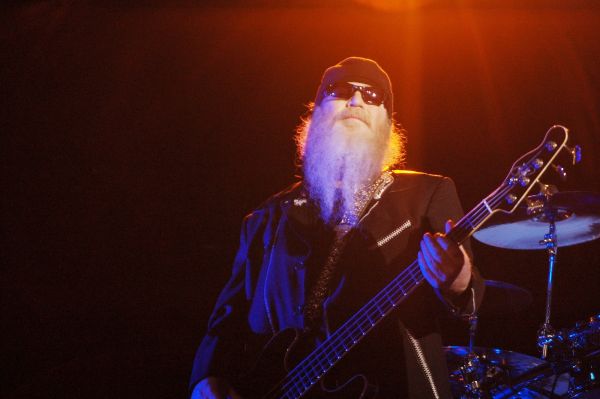
When it comes to legendary facial hair, few can compete with Billy Gibbons and Dusty Hill of ZZ Top. Their long, flowing chest-length beards became as famous as their bluesy guitar riffs.
3. Leonardo da Vinci
Leonardo da Vinci didn’t just invent machines, paint masterpieces, and sketch futuristic ideas; he also wore one of the most recognizable beards in history. His long, flowing beard gave him the air of a wise sage, perfectly fitting for a man often called the ultimate Renaissance genius.
Da Vinci’s likeness, with his long beard, remains one of the most reproduced images in the world. For centuries, his beard has symbolized creativity, brilliance, and vision.
4. Confucius
The Chinese philosopher Confucius shaped the way millions view morality and society, and his facial hair was just as legendary as his teachings. He is often depicted with a long, wispy beard and drooping mustache, symbols of wisdom and authority in ancient Chinese culture.
Confucius taught that one’s body was a gift from their parents and should never be altered. He urged followers not to tattoo their skin or cut their hair, beards, or fingernails, preserving their form as received.
5. Charles Darwin
Charles Darwin’s groundbreaking theory of evolution changed the way we see the world, but his facial hair changed the way we see him. Later in life, Darwin grew a thick, full beard that became almost as famous as On the Origin of Species.
The scientist’s wild mane gave him an aura of eccentric genius, and his portrait with piercing eyes and that snowy-white beard has become a staple of biology textbooks and museum walls. Some scientists even claim Darwin helped make beards fashionable again in Victorian England!
→
From Globe, For Globe - Pulse of the Planet
Strange rain has long fascinated humanity, and people have written a lot about it over the years. For example, in June 2009, residents of Japan’s Ishikawa Prefecture woke up to tadpoles, frogs, and fish falling from the heavens. No one knows how the amphibians and marine animals ended up in the sky, but the theory that a waterspout sucked them into the atmosphere before they fell back to the ground sounds reasonable enough.
Of course, water creatures aren’t the only organisms that fall unexpectedly to the ground. On February 7, 2022, security camera footage caught the shocking moment a swarm of thousands of yellow-headed blackbirds slammed into the pavement over Chihuahua, Mexico, killing dozens of birds. Other strange objects falling from the sky have included jelly and spiders, according to the Farmers’ Almanac.
Sunny With a Chance of Meat
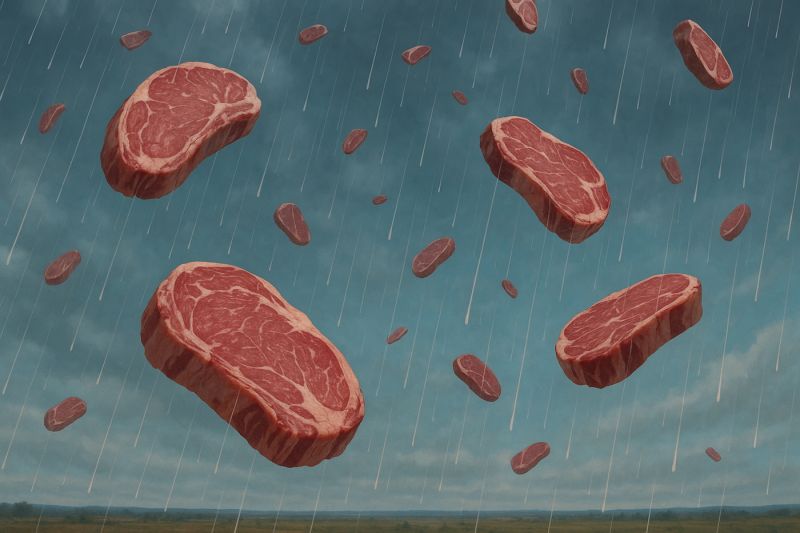
When it comes to bizarre local weather phenomena, the Kentucky meat shower ranks near the top to this day. A housewife living on a farm near Olympia Springs spotted the whole thing, and she described it as a significant event. She said that so much flesh fell from the heavens that it could “fill a horse wagon” (via Science Solved It). If you’re wondering what this means, you’re far from alone.
Kurt Gohde of the Transylvania University in Lexington, Kentucky, has long puzzled over the statement while researching the Kentucky Meat Shower episode. He’s come to this conclusion: “In 1876, if you said, ‘Oh it was a horse wagon full of meat,’ that was like saying now, ‘It’s like a Big Gulp from McDonald’s.’ So everybody knew exactly what that meant.” While a valid point, it does little to clarify what the housewife witnessed for us modern folk.
Ref: https://www.ripleys.com/stories/kentucky-meat-shower
→

Referred by ripleys.com - where the world’s most extraordinary stories are discovered and celebrated.