


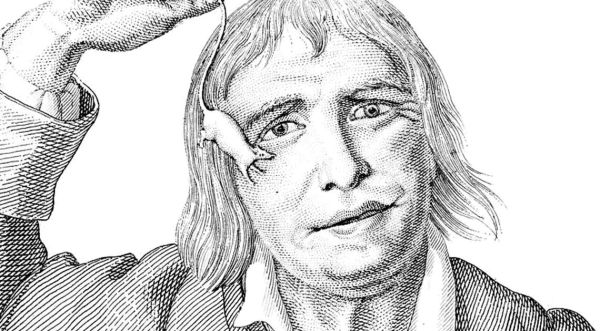
The Medical Mystery of Tarrare, a Cannibalistic French Spy
From Nation, For Nation - Pulse of the Nation

Meet Cheddar, the One-in-30-million Orange Lobster Named after Red Lobster's iconic Cheddar Bay Biscuits®, this unique lobster is an incredibly rare find!
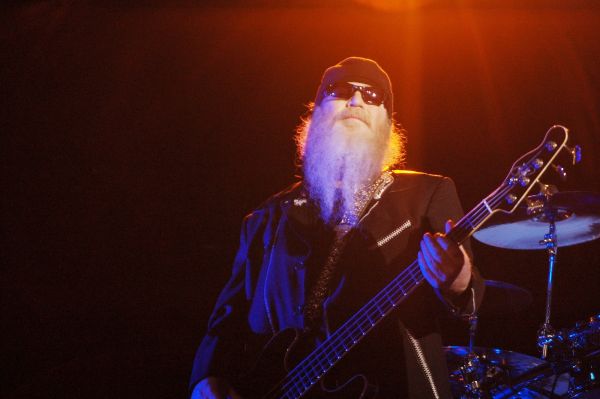
World Beard Day: Top 5 Most Influential Beards
From philosophers and presidents to rock stars and even wizards, these beards aren’t just facial hair; they’re iconic symbols of power, wisdom, and style. So, without further ado, here is our quintessential most influential beard list!
1. Abraham Lincoln
Honest Abe wasn’t always so hairy. In fact, he ran for president clean-shaven! It wasn’t until 11-year-old Grace Bedell wrote him a letter suggesting he grow whiskers to look more distinguished that Lincoln embraced the beard. He debuted his iconic beard during his campaign, and the look stuck.
Lincoln became the first U.S. president to wear a full beard in office, and it quickly became part of his iconic image. Statues, portraits, even the penny in your pocket, all trace their inspiration back to that one young girl’s suggestion.
2. ZZ Top
When it comes to legendary facial hair, few can compete with Billy Gibbons and Dusty Hill of ZZ Top. Their long, flowing chest-length beards became as famous as their bluesy guitar riffs.
3. Leonardo da Vinci
Leonardo da Vinci didn’t just invent machines, paint masterpieces, and sketch futuristic ideas; he also wore one of the most recognizable beards in history. His long, flowing beard gave him the air of a wise sage, perfectly fitting for a man often called the ultimate Renaissance genius.
Da Vinci’s likeness, with his long beard, remains one of the most reproduced images in the world. For centuries, his beard has symbolized creativity, brilliance, and vision.
4. Confucius
The Chinese philosopher Confucius shaped the way millions view morality and society, and his facial hair was just as legendary as his teachings. He is often depicted with a long, wispy beard and drooping mustache, symbols of wisdom and authority in ancient Chinese culture.
Confucius taught that one’s body was a gift from their parents and should never be altered. He urged followers not to tattoo their skin or cut their hair, beards, or fingernails, preserving their form as received.
5. Charles Darwin
Charles Darwin’s groundbreaking theory of evolution changed the way we see the world, but his facial hair changed the way we see him. Later in life, Darwin grew a thick, full beard that became almost as famous as On the Origin of Species.
The scientist’s wild mane gave him an aura of eccentric genius, and his portrait with piercing eyes and that snowy-white beard has become a staple of biology textbooks and museum walls. Some scientists even claim Darwin helped make beards fashionable again in Victorian England!
→
From Globe, For Globe - Pulse of the Planet
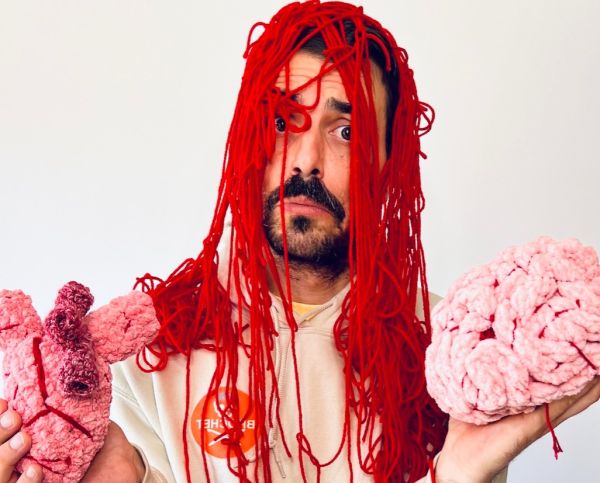
Think crochet is limited to blankets, scarves, and cozy sweaters? California-based creator Steven Borzachillo is redefining the craft with his wildly imaginative style called Brochet, a bold and bizarre twist that turns traditional crochet on its head. Instead of soft fashion or home décor, Steven creates unexpected yarn sculptures that challenge assumptions about what crochet can be. His work blends shock value with humor, transforming a gentle, familiar craft into something that makes people stop, stare, and laugh.
At the heart of Brochet are Steven’s soft-but-fierce creations, including plush ninja stars, cushioned spears, and even a fully crocheted yarn cannon. Though they look dangerous at first glance, every piece is completely harmless, squishy, and carefully handmade. He pushes the concept even further with crocheted bloody guts, severed limbs, and eerie body parts made entirely from colorful yarn. The contrast between gruesome imagery and soft materials creates a playful visual joke—startling at first, then undeniably funny once the illusion fades.
Despite the intense appearance of his work, Steven emphasizes that Brochet is not about violence, but about creativity, humor, and breaking artistic rules. His goal is to make people do a double-take, rethink stereotypes around crochet, and realize that the craft is open to everyone. By flipping expectations and embracing the absurd, Steven hopes to inspire others to pick up hooks and yarn, proving that even the softest materials can deliver the boldest artistic statements.
→

Referred by ripleys.com - where the world’s most extraordinary stories are discovered and celebrated.