


The World's Largest Hot Air Balloon Festival

From Nation, For Nation - Pulse of the Nation

The Original Apple Watch: A Fab Four Collectible Like No Other
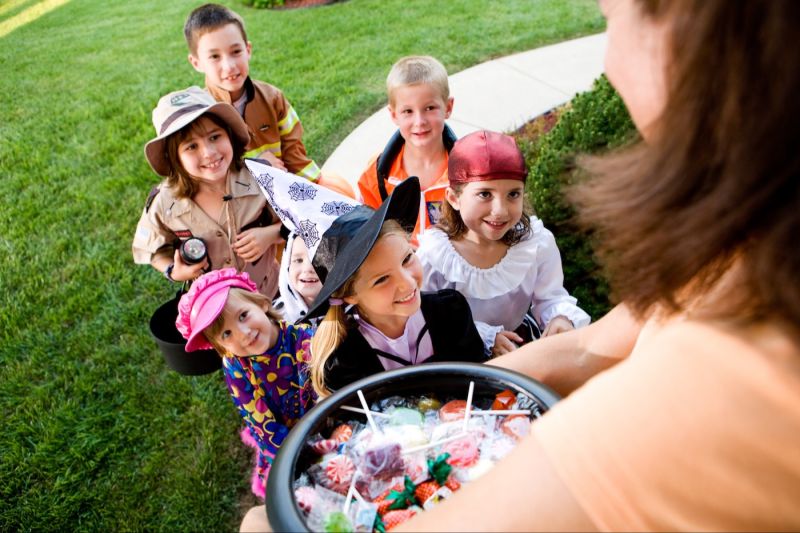
Why Do We Go Trick-or-Treating on Halloween?
As centuries passed, these pagan traditions blended with Christian beliefs during the Middle Ages, evolving into practices tied to All Saints’ Day and All Souls’ Day. One such custom was souling, where the poor and children went from house to house asking for small spiced pastries known as soul cakes. In return, they promised to say prayers for the souls of the dead, especially those believed to be in purgatory. These exchanges of food, prayers, and blessings created a door-to-door tradition rooted in faith, remembrance, and community. Over time, songs, costumes, and small rewards became part of the ritual, laying the foundation for Halloween’s familiar knock-and-receive pattern.
By the late 19th and early 20th centuries, Halloween had shifted again, this time toward playful mischief. “Mischief Night” pranks-like soaping windows or tipping over gates-gave rise to the idea that if no treat was given, a trick might follow. The phrase “trick or treat” appeared in North America in the early 1900s, and after World War II, the end of sugar rationing helped candy replace homemade goods. What began as offerings to spirits and prayers for souls became a joyful tradition centered on children, costumes, and candy. Today’s trick-or-treating may be sweet and lighthearted, but it carries echoes of ancient rituals, medieval faith, and centuries of evolving tradition woven into every knock on the door. →
From Globe, For Globe - Pulse of the Planet
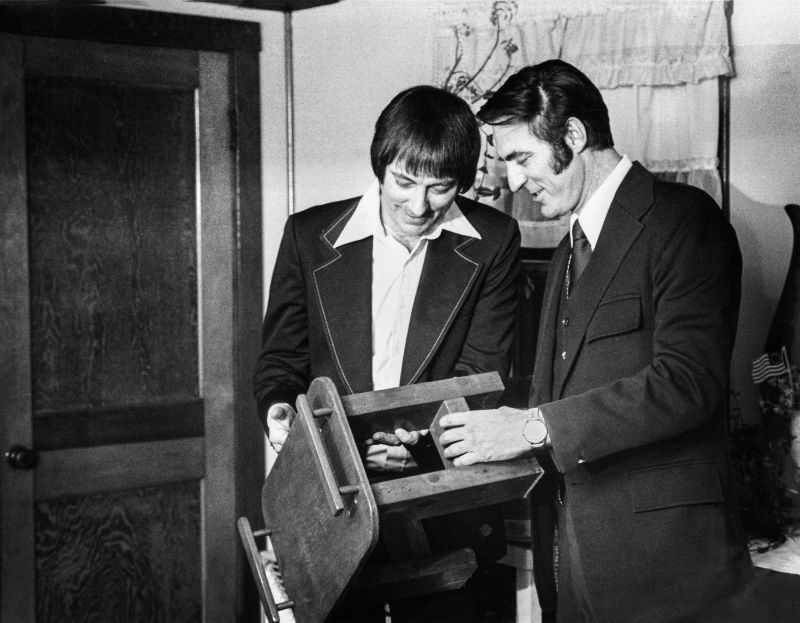
Jim Twins
The Jim Twins of Ohio were reunited at age 39, after being separated at birth. When they got to talking, they found that they had lived identical lives!
So Far Apart, Yet Always Together
So, nature versus nurture debaters, what do you make of this one? When two twin boys were put up for adoption in 1940, at only three weeks old, their adoptive parents coincidentally named them both James. Both men came to be named Jim for short, and that was just the start of it. The two would grow up only 40 miles apart from each other, and go on to live lives that were spookily similar.
One of the boys was adopted by the Lewises of Lima, and the other by the Springers of Piqua. Both families knew that the child they adopted had a twin, but did not know what became of them. From there, though their paths had diverged, they unknowingly forged lives as identical as their DNA.
Both had beloved childhood dogs named Toy, and as schoolchildren, both had a proclivity for math and woodworking but were no great shakes at spelling. If their childhoods were uncannily similar, though, then their early adulthoods were truly remarkable. Ref : https://www.ripleys.com/stories/jim-twins
→

Referred by ripleys.com - where the world’s most extraordinary stories are discovered and celebrated.