


The Bizarre History of White House Pets

From Nation, For Nation - Pulse of the Nation
Armored Beasts
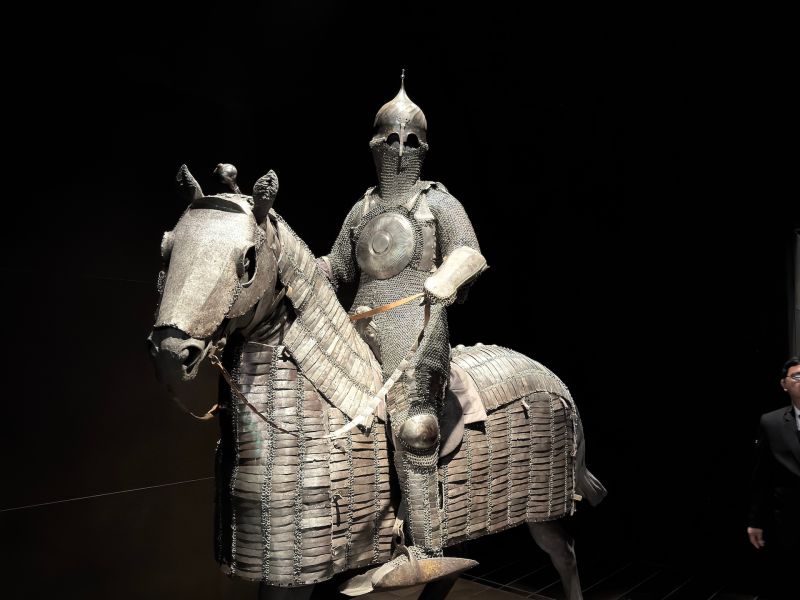
Animal Armor: From Battlefield Protection to Unbelievable Art
MER-MEN-MAIDS

The History of Mermen and Mermaids
The history of mermaids stretches back through the folklore, legends, and myths of cultures around the world.
Early History of Mermen and Mermaids
From the Selkies of Scotland to the Ipupiara of 16th-century Brazil, the history of mermaids stretches back through the folklore, legends, and myths of different cultures around the world. While some tales feature beautiful women with long tails instead of legs who send sailors to the bottom of the sea, others depict helpful goddesses, creatures more bird than fish, or beings more fish than woman.
Believe It or Not!, the first mermaid tale might swim all the way back to ancient Syria around 1000 BC. Legend has it that Atargatis, deeply in love with a mortal shepherd, accidentally caused his death. Stricken with sorrow and guilt, she plunged into a lake, hoping to become a fish. However, her divine beauty shone through, transforming her into a mermaid instead.
Mermen appear in Babylonian mythology, where the god Ea is described as having the body of both a man and a fish. Then there’s the more well-known merman, Triton, who was depicted as half man and half fish in art.
→
Early History of Mermen and Mermaids
From the Selkies of Scotland to the Ipupiara of 16th-century Brazil, the history of mermaids stretches back through the folklore, legends, and myths of different cultures around the world. While some tales feature beautiful women with long tails instead of legs who send sailors to the bottom of the sea, others depict helpful goddesses, creatures more bird than fish, or beings more fish than woman.
Believe It or Not!, the first mermaid tale might swim all the way back to ancient Syria around 1000 BC. Legend has it that Atargatis, deeply in love with a mortal shepherd, accidentally caused his death. Stricken with sorrow and guilt, she plunged into a lake, hoping to become a fish. However, her divine beauty shone through, transforming her into a mermaid instead.
Mermen appear in Babylonian mythology, where the god Ea is described as having the body of both a man and a fish. Then there’s the more well-known merman, Triton, who was depicted as half man and half fish in art.
→
From Globe, For Globe - Pulse of the Planet
Steven Borzachillo

Meet the Man Behind “Brochet”: The Wild, Woolly Art of Steven Borzachillo
California creator Steven Borzachillo reinvents crochet through Brochet, crafting bold and humorous soft sculptures like plush weapons and spooky props that look shocking but are entirely harmless and handmade from yarn. →

Referred by ripleys.com - where the world’s most extraordinary stories are discovered and celebrated.