


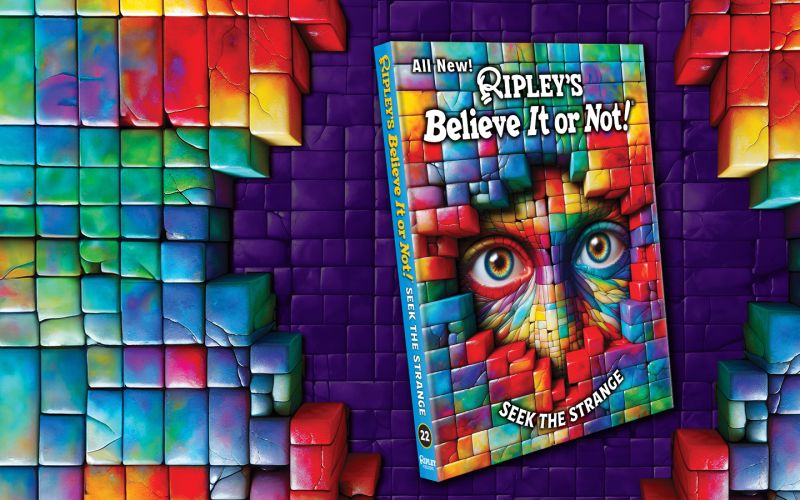
Seek the Strange: Ripley’s Brand New Book is Packed with the Weird and Wonderful
From Nation, For Nation - Pulse of the Nation

The Bizarre History of White House Pets

A Functioning Theme Park... 400 Feet Underground?
From Salt Mine to Theme Park
More than 2,000 years old, Salina Turda once produced over three billion tons of salt. Over time, the massive excavation created a cavern so enormous it could hold an entire theme park, and now, it does.
Deep below ground, visitors can enjoy:
• A full-size Ferris wheel
• Mini-golf and bowling
• An underground lake where you can row a boat
• Towering salt walls that make every activity feel otherworldly
You can reach the bottom by elevator, or take the long staircase if you’re up for the workout.
A Playground Like No Other
This isn’t just an attraction; it’s a reminder that humans have a talent for turning the unexpected into something unforgettable. What was once a working salt mine is now one of the strangest theme park destinations on the planet.
→
From Globe, For Globe - Pulse of the Planet
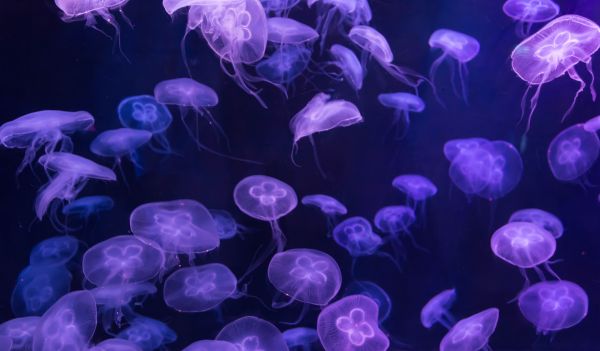
Gelatinous, otherworldly, and utterly beautiful-but what actually are they?
Jellyfish.
Well, they’re not fish-that much is for certain! Jellyfish, or addressed by the more accurate term, sea jellies, are invertebrate marine animals. As a free-swimming species, sea jellies rely on the ocean’s current to travel throughout the deep waters of the world. Therefore, they are classified as a large form of zooplankton since they are unable to drive themselves against the tides.
Ancient Animals
As ancient animals, jellies have drifted through the ocean for around 500 million years, making them older than dinosaurs!
They are closely related to other animals, such as corals and sea anemones, as they all belong to the phylum Cnidaria.
Jellies themselves belong to the subphylum Medusazoa. This is then divided into four different classes: scyphozoa (the “true jellies”), hydrozoa (the look-alike jellies), cubozoan (cube- or box-shaped jellies), and staurozoan (stalked jellies that attach to surfaces).
Let’s dive deeper into the diversity of sea jellies and see how one of the stars of Ripley’s Aquarium of Canada, the moon jellyfish (Aurelia aurita) compares.
The Anatomy of a Sea Jelly
The external anatomy of a sea jelly is divided into three major parts. The umbrella-shaped body is known as the bell, which contains internal organs such as the gonads (sex cells).
The frilly or veil-like structures are oral arms, which function to either guide food into the jelly’s mouth or ingest the food directly. Finally, the most well-known part of a jelly is their trailing tentacles, with which they can sting!
Jaw-Dropping Jellies
Sea jellies are widely known and appreciated for their enchanting, diverse beauty. Upon their bells, a range of decorative patterns such as stripes, speckles, and spots can be present. Even simple designs, as showcased by moon jellies, are still stunning to the eye.
The tentacles of a jelly are no exception to aesthetics either, take the stylish flower hat jelly which appears as if they have pink buds hanging down off of them. Even the insides of sea jellies can be colourful, like the gonadal tissue of the very appropriately named fried-egg jelly which looks like, you guessed it, an actual fried egg!
Like us, sea jellies can come in all shapes and sizes. The biggest is the lion’s mane jelly, with an average size of 40 centimeters. The largest known specimen, however, stretches to 36.5 meters from the top of the bell to the bottom of their tentacles!
On the other end of the scale, the smallest jelly is the Irukandji box jellyfish, which can reach around 2 centimeters. Moon jellies sit in the middle of our range at roughly 20 centimeters but can sometimes reach 46 centimeters in diameter.
So now that we’ve looked at the appearance of sea jellies, let’s be less shallow (get it?) and peek at what’s inside of them!
Taking A Peek Inside
The body of a sea jelly is made of two main cellular layers, the gastrodermis and the epidermis. Their middle, known as the mesoglea, is a gelatinous material that composes the majority of their body. Since sea jellies are 95% water, the mesoglea is mostly made up of this too!
However, none of the internal anatomy contains any body parts we view as vital; jellies do not have bones, muscles, blood, hearts, or lungs.
Instead, they are able to absorb oxygen and nutrients through their bell via the gastrodermis. As well, they are literally “no brainers,” thanks to their epidermis, they are able to sense and react to the world around them.
In addition, their nerve network has small organs called statocysts, which allow the jellies to balance and orient themselves. They are also able to detect light, chemicals, and movement with their sensory structures on the edge of their bells known as rhopalia.
The Shocking Stinger
Of course, the most amazing and well-recognized ability of a sea jelly is their skill of stinging.
Found on their tentacles, the cnidocyte (or nematocyte) is a specialized cell that contains nematocysts (or cnidocysts), the structures responsible for delivering the sting.
For sea jelly prey, this sting means paralysis. For humans, effects can vary from mild to lethal; whereas moon jellies do not administer a strong sting, the impact from a box jelly sting is known to cause cardiac arrest or worse, a journey to a watery grave.
However, our animal care team at the aquarium still wear protection when attending our moon jellies, despite the minimal effects of their sting.
An Indicator Species?
Sea jellies are a type of indicator species, meaning their presence can signal how the conditions of an environment are doing. A sudden flood of a sea jelly population, called a “bloom,” can signal an imbalance within the ocean ecosystem such as changes in species amount, oxygen levels, and water temperatures.
Increased sea temperature levels from climate change also affects sea jellies, as they flourish in warmer waters and this raises the possibility of overpopulation or even being stung while swimming in the ocean.
How You Can Help Perserve Jellies
Although all these causes may seem distant and uncontrollable to us, helping aquatic animals is more possible than you may think!
Taking small but considered actions is a great way to be a champion for conservation. For example, purchase sustainable seafood (or even reduce your seafood intake) to combat overfishing, turn off appliances to save energy and fight climate change, and share your knowledge so others can lend a helping hand, or fin, to our ocean life.
→

Referred by ripleys.com - where the world’s most extraordinary stories are discovered and celebrated.