


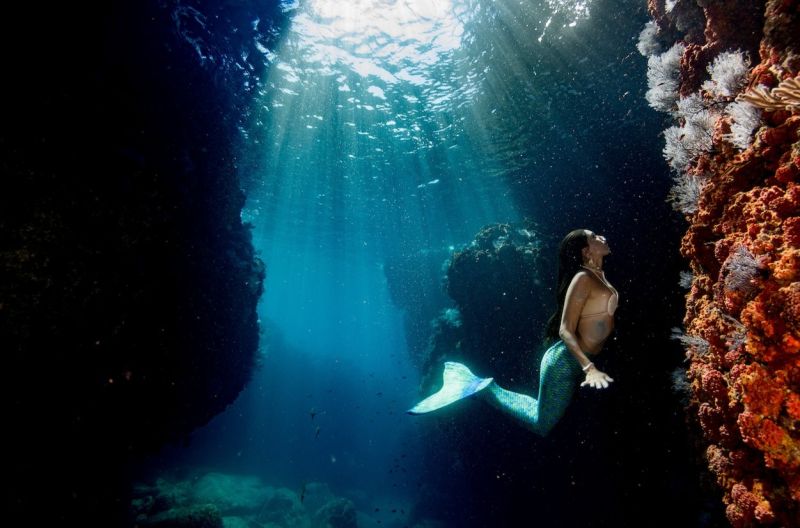
The History of Mermen and Mermaids
From Nation, For Nation - Pulse of the Nation
Animal Vision

Animal Vision: Seeing the World Through Their Eyes
Internet Runs Through the Ocean
Did You Know: The Internet Runs Through the Ocean
A Pacific island nation was even cut off from the internet (and world) due to a volcano!
When you stream a video, send a message, or scroll your feed, it feels instant, almost like magic.
But where does the internet come from? Would you believe that almost all of the world’s internet travels through cables lying on the bottom of the ocean?
The Internet’s Secret Hiding Place
Miles below the ocean’s surface runs a thin cable about the size of a garden hose. This unassuming line carries nearly all international data, quietly powering the global economy.
Every video call, email, meme, and livestream crossing continents is racing through these underwater highways at the speed of light.
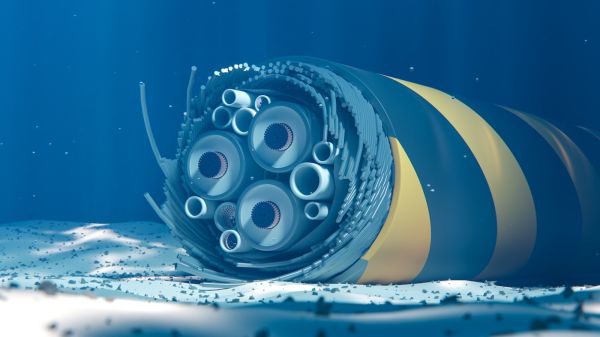
What’s Inside an Undersea Internet Cable?
Cut one open, and you’d find layers of protection:
• Thick plastic and metal armor
• Gel to keep seawater out
• Hundreds of fiber-optic strands, each thinner than a human hair
Inside those tiny fibers? Pulses of light carrying massive amounts of information. Enough data, in fact, for millions of people to communicate at the same time.
A 150-Year-Old Idea Still Running the World
Believe it or not, humans have been laying cables on the ocean floor for over 150 years.
The first transatlantic telegraph cable was laid between the U.S. and Britain in the 1850s. Ships simply unspooled miles of cable and let gravity do the rest.
Today’s fiber-optic cables are the modern evolution of that same idea, just far faster, stronger, and smarter.
When the Internet Went Dark Overnight
In January 2022, the Pacific island nation of Tonga experienced what few places on Earth ever have: a total internet blackout.
A massive underwater volcanic eruption near Hunga Tonga–Hunga Haʻapai didn’t just shake the islands; it ripped apart the undersea fiber-optic cables connecting Tonga to the rest of the world.
Within hours, the country went completely offline. Even phone lines failed, because modern calls travel through the internet too.
Banks shut down. ATMs stopped working. Businesses couldn’t ship goods. Families overseas had no way to check if loved ones were safe. For weeks, Tonga was digitally isolated. All by a single broken cable buried deep beneath the ocean floor.
A Humble Miracle
But that’s not all! Ripley’s Believe It or Not! holds a real piece of history in its collection: actual sections of the transatlantic cable!
→
When you stream a video, send a message, or scroll your feed, it feels instant, almost like magic.
But where does the internet come from? Would you believe that almost all of the world’s internet travels through cables lying on the bottom of the ocean?
The Internet’s Secret Hiding Place
Miles below the ocean’s surface runs a thin cable about the size of a garden hose. This unassuming line carries nearly all international data, quietly powering the global economy.
Every video call, email, meme, and livestream crossing continents is racing through these underwater highways at the speed of light.
What’s Inside an Undersea Internet Cable?
Cut one open, and you’d find layers of protection:
• Thick plastic and metal armor
• Gel to keep seawater out
• Hundreds of fiber-optic strands, each thinner than a human hair
Inside those tiny fibers? Pulses of light carrying massive amounts of information. Enough data, in fact, for millions of people to communicate at the same time.
A 150-Year-Old Idea Still Running the World
Believe it or not, humans have been laying cables on the ocean floor for over 150 years.
The first transatlantic telegraph cable was laid between the U.S. and Britain in the 1850s. Ships simply unspooled miles of cable and let gravity do the rest.
Today’s fiber-optic cables are the modern evolution of that same idea, just far faster, stronger, and smarter.
When the Internet Went Dark Overnight
In January 2022, the Pacific island nation of Tonga experienced what few places on Earth ever have: a total internet blackout.
A massive underwater volcanic eruption near Hunga Tonga–Hunga Haʻapai didn’t just shake the islands; it ripped apart the undersea fiber-optic cables connecting Tonga to the rest of the world.
Within hours, the country went completely offline. Even phone lines failed, because modern calls travel through the internet too.
Banks shut down. ATMs stopped working. Businesses couldn’t ship goods. Families overseas had no way to check if loved ones were safe. For weeks, Tonga was digitally isolated. All by a single broken cable buried deep beneath the ocean floor.
A Humble Miracle
But that’s not all! Ripley’s Believe It or Not! holds a real piece of history in its collection: actual sections of the transatlantic cable!
→
From Globe, For Globe - Pulse of the Planet


Referred by ripleys.com - where the world’s most extraordinary stories are discovered and celebrated.