


The Most Remarkable Man Alive: The Incredible Life of Johnny Eck

From Nation, For Nation - Pulse of the Nation
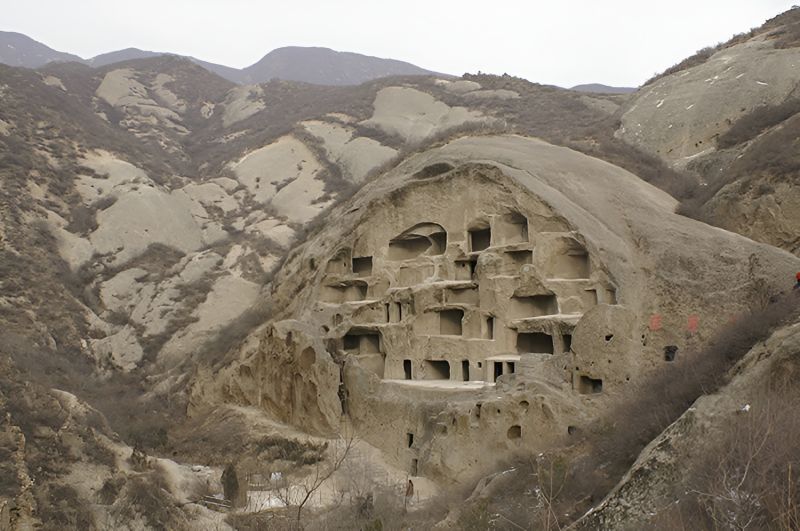
30 Million Live in Caves in China
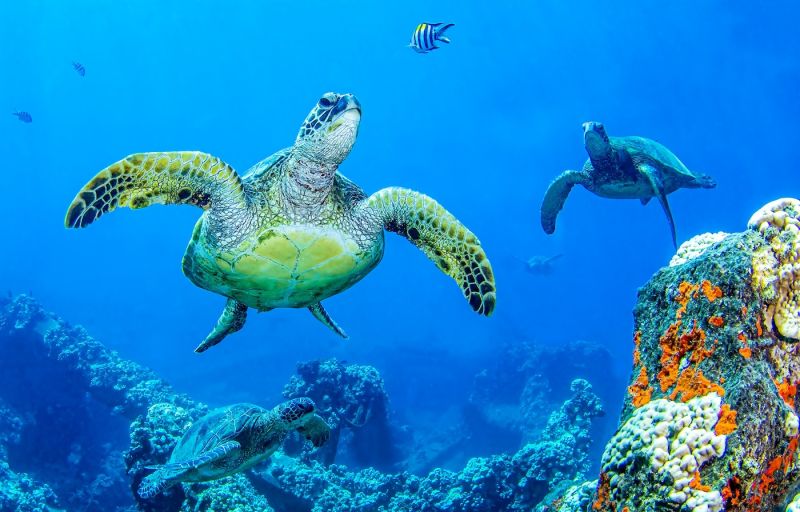
7 Unbelievable Facts About Turtles and Tortoises
1. The Mary River Turtle’s Bizarre Gills
Meet the Mary River turtle (Elusor macrurus), Australia’s aquatic oddball that can breathe through… its nether regions.
These turtles sport filamentous structures inside their cloacas (that’s the multi-purpose rear exit), soaking up oxygen directly from the water at depths exceeding two meters. Scientists estimate up to 70% of their oxygen comes from these “cloacal bursae,” making them true masters of under-river respiration.
Despite being discovered only in 1994, this species is critically endangered because of habitat loss and pollution.
2. Centuries on the Clock
Some tortoises outlive your great-great-great grandparents by centuries.
Aldabra and Galápagos tortoises routinely hit 150–200 years old in the wild, thanks to slow metabolisms and rock-hard shells. Notable centenarians include Jonathan, a Seychelles giant tortoise estimated to be over 190, and Harriet, who lived to 175 at Australia’s Australia Zoo.
3. Built-In Magnetic GPS
Long before we had smartphones, hatchling sea turtles were already navigating the ocean by tuning into Earth’s magnetic fields.
Loggerheads, leatherbacks, and green turtles imprint the magnetic signature of their natal beaches and use geomagnetic cues-like a built-in GPS-to return decades later to lay eggs. Talk about never getting lost at sea.
4. Deep-Sea Dives That Dazzle
Leatherback sea turtles (Dermochelys coriacea) are the ultimate deep divers: they plunge to depths over 1,200 meters (nearly 4,000 feet) in pursuit of jellyfish.
Special blood chemistry and flexible shells let them withstand crushing pressures and near-freezing temperatures in the ocean’s twilight zone. These super-scuba divers make Navy SEALs look like amateurs. Their uniquely ridged carapace compresses under pressure instead of cracking, and their huge oxygen-carrying capacity-twice that of other sea turtles-fuels these record-breaking dives.
Scientists tag leatherbacks with pressure sensors to track their epic submersions, discovering they often loop-dive multiple times per foraging trip.
5. Underwater Snooze Buttons
Turtles can nap underwater for hours. During cooler months, many species enter brumation, a reptilian version of hibernation: their heart rate and metabolism slow, allowing them to sleep submerged for up to five hours at a stretch. No need for floaties-just find a cozy rock ledge and doze on!
During brumation, turtles absorb oxygen directly through their skin and cloaca, and their bodies prioritize vital organs, shutting down nonessential functions. This strategy helps them survive cold snaps and food shortages without using precious energy reserves.
6. The “Hot Girl Summer” of Turtle Reproduction
These reptiles literally decide their offspring’s sex by nest temperature. Eggs in warmer sands (around 31–33°C) hatch mostly females; cooler nests produce males.
Rising global temperatures threaten to tip the balance, potentially leading to turtle populations with 90% females and not enough males to go around. Researchers are racing to create shaded nesting sites and artificial incubation programs to ensure a healthy sex ratio.
It’s one of the few cases where climate change could reshape entire animal populations by literally cooking future generations.
7. Epic Ocean Marathons
Green sea turtles (Chelonia mydas) embark on transoceanic treks rivaling an ultramarathon. Some migrate over 10,000 miles each year between feeding grounds and nesting beaches. They cruise at two knots for weeks, navigating by stars, currents, and magnetic maps.
→
From Globe, For Globe - Pulse of the Planet

From a Vampire Killing Kit to Voodoo Baby, Ripley's has no shortage of the downright scary!
It’s officially spooky season, so it only makes sense to dive into the more frightening side of Ripley's oddities. From eerie artifacts to spine-tingling sights, we’ve rounded up five of the creepiest and most curious oddities to make your Halloween one to remember.
1. Vampire Killing Kit
Sink your teeth into this chilling 19th-century artifact made for one purpose... to ward off vampires!
Complete with wooden stakes, a crucifix, and vials of holy water, this kit shows just how real vampire fears once were. Whether or not it ever worked… well, that’s the scary part.
2. Shrunken Heads
Talk about a small! These rare ceremonial artifacts from the Amazon rainforest are both fascinating and a little frightful.
Once believed to trap the spirit of an enemy, each head was carefully crafted and preserved, and yes, they’re 100% real.
3. The Nkondi Power Figure
One look at this spiked statue and you’ll understand why it commands attention and fear. Originating from Central Africa, the Nkondi (or “nail figure”) was believed to hold powerful spirits capable of punishing wrongdoers and sealing oaths.
Each nail driven into its body represented a vow, a plea, or a curse. Standing before it, you can almost feel its supernatural energy watching you back.
4. Voodoo Baby
At Ripley’s Believe It or Not! in St. Augustine, there’s an artifact once owned by Haiti’s President, Papa Doc Duvalier, that gives off some serious chills. Known as Voodoo Baby, this doll has a spooky reputation and a few strange stories to match.
Each nail driven into its body represented a vow, a plea, or a curse. Standing before it, you can almost feel its supernatural energy watching you back.
4. Voodoo Baby
At Ripley’s Believe It or Not! in St. Augustine, there’s an artifact once owned by Haiti’s President, Papa Doc Duvalier, that gives off some serious chills. Known as Voodoo Baby, this doll has a spooky reputation and a few strange stories to match.
Dare to Discover More
Whether you’re chasing creepy curiosities or braving full-on frights, Ripley’s Believe It or Not! is the place to be this Halloween. Visit one of our attractions this October and uncover the strange, the spooky, and the downright unbelievable... if you dare.
→

Referred by ripleys.com - where the world’s most extraordinary stories are discovered and celebrated.