


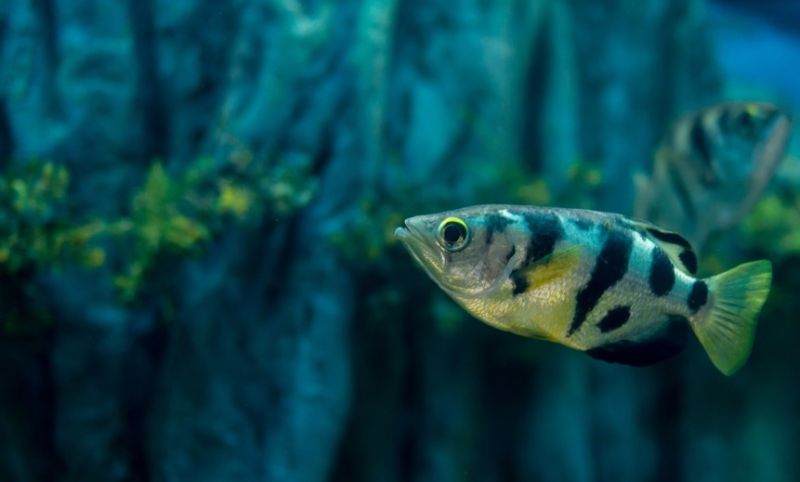
Archerfish: Ready, Aim, Spit!
From Nation, For Nation - Pulse of the Nation

5 Extinct Species That Could Walk (or Waddle) the Earth Again

How Long Does It Actually Take to Digest Swallowed Gum?
When you were a kid, your parents probably told you not to swallow watermelon seeds because they’d grow a watermelon in your tummy. While most people grow up and find that this is not the case, nor would it even be physically possible, many of us still carry the belief we obtained during childhood that it takes gum seven years to digest!
Does Gum Digest in Seven Years?
There are several parts of gum that digest as easily as other foods, such as sweeteners, flavoring agents (like the oil that gives gum its minty flavors), and softeners like vegetable oil. The part of gum that your body has trouble digesting is the base, which was once the sap of the sapodilla tree known as chicle. After WWII, when the demand for gum became greater than the tree itself could yield, gum bases changed and eventually became a mix of polymers, both synthetic and natural.
Still, your body won’t be able to break the gum base down like it does other food, even with the help of seven years’ time. This also doesn’t mean, however, that your body will retain the gum for longer than anything else you’re likely to swallow.
The Journey of Swallowed Gum
Instead of just sitting in your stomach, a regular piece of swallowed gum will move through your small intestine to your colon and then pass as regular waste when you go to the bathroom. Functioning similarly to corn kernels, it will usually come out much the same as it was when it went in, but it poses no problem to the digestive system in most cases because of its size and your body’s resourcefulness.
So, there you have it. You won’t have to wait until a more futuristic time to see the gum you ate today pass through your system. Most of the time, a person can swallow gum safely without any problems and it will no longer be in their system in less than a week.
Unfortunate Gum Swallowers
There are some rare cases, though, where individuals, usually children, have seen issues associated with their gum-swallowing. This is because children are more likely to swallow large amounts of gum and to have problems with constipation.
A paper that was published in 1998 described the experiences of three children who needed surgery to remove giant masses of indigestible matter, also known as a bezoar. In all three instances, chewing gum was part of the culprit, but these children were already constipated and were swallowing large amounts of gum every single day.
If you’re a gum-chewer, the truth is this: you don’t have to worry about swallowing the occasional piece of gum, as it won’t take seven years to leave your system. However, like every action, it’s important not to take it too far, as swallowing too much gum can potentially cause problems, especially in small children.
→
From Globe, For Globe - Pulse of the Planet
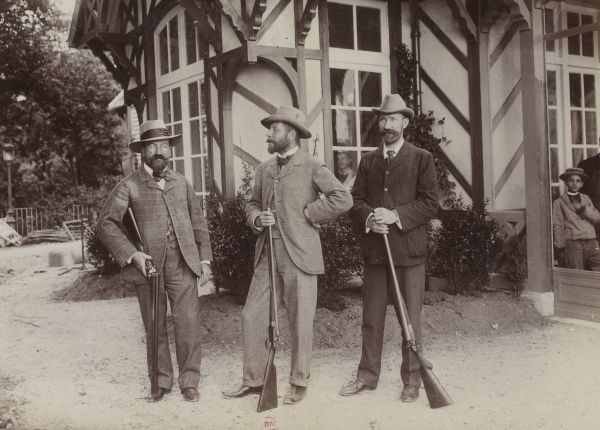
From pistol dueling to pigeon shooting it's probably for the best these events don't make a comeback.
The Olympic Games have always been a showcase of human athleticism and competitive spirit, with events that push the boundaries of what athletes can achieve. However, not all Olympic events have stood the test of time. Some, thankfully, have been left in the past.
Here are a few bizarre and now-banned Olympic events that we’re glad to see go.
Pankration
Imagine a sport with almost no rules and where the only prohibitions were against biting and gouging. That was Pankration, a brutal mix of boxing and wrestling from ancient times. Participants didn’t even wear hand-wraps, making the matches bloody displays of strength and endurance.
The sport originated in ancient Greece and was introduced to the Olympics in 648 BC. Pankration was immensely popular, becoming a staple of ancient folklore due to its gladiatorial nature. The matches often ended with severe injuries or even death, as fighters used any means necessary to subdue their opponents.
Live Pigeon Shooting
In the 1900 Olympics, there was an event that involved shooting live pigeons. Yes, you read that right. Pigeon shooting was an actual Olympic event, and it’s one “sport” everyone is relieved to see abolished.
The event took place in Paris, where competitors aimed to shoot as many released pigeons as possible. The spectacle resulted in over 300 pigeons being killed, leaving the field littered with feathers and carcasses.
The winner, Belgian Leon de Lunden, killed 21 pigeons. While it might have been seen as a test of marksmanship at the time, the grim reality of using live animals for sport makes it clear why this event was never repeated. Modern Olympic shooting events now use clay targets, offering a humane and equally challenging alternative.
Underwater Swim
Also in the 1900 Paris Olympics, underwater swimming made a brief appearance. Competitors had to swim as far as they could underwater in the River Seine, earning points for both distance and time spent submerged. Each swimmer received one point for every second they stayed underwater and two points for every meter they covered.
The event’s primary flaw? It was incredibly boring for spectators. With swimmers disappearing beneath the surface, the audience was left staring at an empty river, making it one of the least engaging Olympic events.
Frenchman Charles Devendeville won the gold by staying underwater for one minute and eight seconds, covering the maximum distance of 60 meters. He narrowly beat fellow Frenchman Andre Six, who stayed submerged for one minute and five seconds. Despite the impressive displays of endurance and skill, the lack of visibility for spectators ensured this event was quickly dropped from future Games.
Pistol Dueling
The Olympics once channeled the Wild West with the inclusion of pistol dueling in the 1906 Games. Contrary to what the name suggests, this event didn’t involve actual duels between competitors. Instead, participants fired pistols at human-shaped dummies with bull’s eyes on their chests. The competition had two stages: shooting from 20 meters and 30 meters.
The event aimed to test precision and speed, with competitors needing to hit specific target areas to score points. While it certainly added a unique flavor to the Games, the event’s association with real dueling practices and firearms makes it an Olympic oddity better left in the past. The sight of athletes firing at lifelike dummies might have been entertaining at the time, but it’s easy to see why this event didn’t have lasting appeal in the context of promoting peaceful international competition.
Looking back at these strange and now-banned events, it's clear that the Olympics have come a long way. While they offer a fascinating glimpse into the history of the Games, these bizarre sports remind us why some traditions are best not revived. Here’s to celebrating the more refined and spectator-friendly events that define the Olympics today!
→

Referred by ripleys.com - where the world’s most extraordinary stories are discovered and celebrated.