


Dire Wolf Revival: Part Science, Part Sci-Fi

From Nation, For Nation - Pulse of the Nation

7 Unbelievable Facts About Turtles and Tortoises
Did You Know: The Internet Runs Through the Ocean
When you stream a video, send a message, or scroll your feed, it feels instant, almost like magic.
But where does the internet come from? Would you believe that almost all of the world’s internet travels through cables lying on the bottom of the ocean?
The Internet’s Secret Hiding Place
Miles below the ocean’s surface runs a thin cable about the size of a garden hose. This unassuming line carries nearly all international data, quietly powering the global economy.
Every video call, email, meme, and livestream crossing continents is racing through these underwater highways at the speed of light.
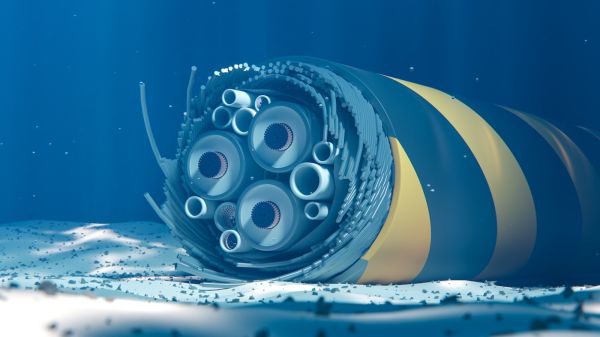
What’s Inside an Undersea Internet Cable?
Cut one open, and you’d find layers of protection:
• Thick plastic and metal armor
• Gel to keep seawater out
• Hundreds of fiber-optic strands, each thinner than a human hair
Inside those tiny fibers? Pulses of light carrying massive amounts of information. Enough data, in fact, for millions of people to communicate at the same time.
A 150-Year-Old Idea Still Running the World
Believe it or not, humans have been laying cables on the ocean floor for over 150 years.
The first transatlantic telegraph cable was laid between the U.S. and Britain in the 1850s. Ships simply unspooled miles of cable and let gravity do the rest.
Today’s fiber-optic cables are the modern evolution of that same idea, just far faster, stronger, and smarter.
When the Internet Went Dark Overnight
In January 2022, the Pacific island nation of Tonga experienced what few places on Earth ever have: a total internet blackout.
A massive underwater volcanic eruption near Hunga Tonga–Hunga Haʻapai didn’t just shake the islands; it ripped apart the undersea fiber-optic cables connecting Tonga to the rest of the world.
Within hours, the country went completely offline. Even phone lines failed, because modern calls travel through the internet too.
Banks shut down. ATMs stopped working. Businesses couldn’t ship goods. Families overseas had no way to check if loved ones were safe. For weeks, Tonga was digitally isolated. All by a single broken cable buried deep beneath the ocean floor.
A Humble Miracle
But that’s not all! Ripley’s Believe It or Not! holds a real piece of history in its collection: actual sections of the transatlantic cable!
→
From Globe, For Globe - Pulse of the Planet

Is tryptophan really the sleep villain?
Thanksgiving dinner has a curious talent: it turns lively humans into slow-blinking creatures who migrate toward couches the moment the plates hit the sink. One minute you’re recounting the stuffing recipe, the next you’re melting into a pillow like butter.
So what is it about this meal that knocks us out every year? And why does the blame always land on the turkey? Let’s just say the turkey has been falsely accused.
The Turkey Myth: Is Tryptophan Really the Sleep Villain?
The turkey has been accused of causing nationwide drowsiness thanks to an amino acid called tryptophan, which the body uses to produce serotonin and melatonin - compounds linked to mood and sleep. Sounds like a convincing culprit… until you look closer.
The truth is that turkey doesn’t contain significantly more tryptophan than chicken. In fact, cheddar cheese and pumpkin seeds have higher tryptophan levels per gram than turkey. If the amino acid were really that powerful, Thanksgiving naps would be mandatory any time you ate a grilled cheese sandwich.
The Sleep Trap Hidden in the Side Dishes
Thanksgiving dinner isn’t just about the turkey. There’s also stuffing, buttery rolls, mashed potatoes, sweet potato casserole, and every starch you can fit onto a single plate. And those carbs are the real reason your eyes get heavy.
Here’s the science behind the sleepiness: a carb-heavy meal triggers an insulin spike. That insulin surge shifts how amino acids are absorbed, giving tryptophan a clearer path to the brain. Once it gets there, it can support the production of serotonin, the “relax and unwind” chemical.
The research backs it up: studies have found that high-carb meals increase sleepiness a couple of hours after eating. Put all that together, and your meal is already pushing you toward a nap.
Once the carbs have done their work, dessert finishes the job. Pumpkin pie, pecan pie, and all that whipped cream send your blood sugar up fast and then straight back down, creating the classic post-meal slump.
Why Your Third Helping Seals Your Fate
Let’s tell the truth: on Thanksgiving, “normal” portions take the day off. One plate becomes two. You also don’t casually dip bread into gravy “just to try it” before inhaling a second round of stuffing. And dessert “doesn’t count.”
Digesting large meals requires energy. A lot of it. The more your body diverts resources to digestion, the less you have available for alertness. Cue the slow, heavy, warm, melty feeling that makes horizontal surfaces irresistible.
Family Time Comes At a Cost
Thanksgiving is a people event. You talk. You laugh. You answer questions. You repeat stories. You listen to other people repeat stories. You help set the table, then clear the table, then contemplate why the table needs so many steps. All of this takes social energy.
And that’s before you factor in traveling, hosting, juggling expectations, and keeping the peace between wildly different personalities. By the time dinner ends, most people have burned through a full tank of emotional fuel. The meal doesn’t make you sleepy on its own - the hours of social effort soften the edges first, and the food simply tips you over. Emotional calories count just as much as the real ones.
→

Referred by ripleys.com - where the world’s most extraordinary stories are discovered and celebrated.