


5 Turkey Facts You Never Knew: Just in Time for Thanksgiving

From Nation, For Nation - Pulse of the Nation

The Weird, but True, History of Presidential Turkey Pardons
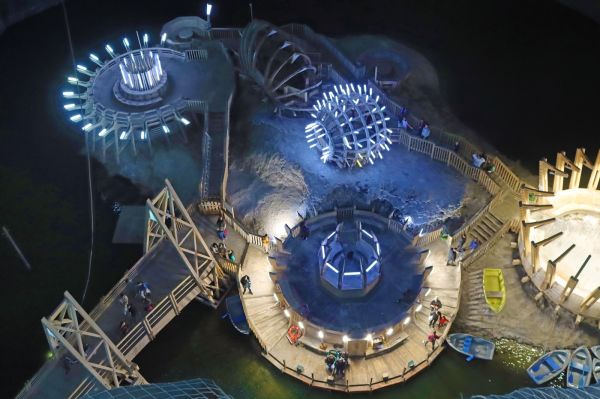
A Functioning Theme Park... 400 Feet Underground?
From Salt Mine to Theme Park
More than 2,000 years old, Salina Turda once produced over three billion tons of salt. Over time, the massive excavation created a cavern so enormous it could hold an entire theme park, and now, it does.
Deep below ground, visitors can enjoy:
-->A full-size Ferris wheel
-->Mini-golf and bowling
-->An underground lake where you can row a boat
-->Towering salt walls that make every activity feel otherworldly
You can reach the bottom by elevator, or take the long staircase if you’re up for the workout.
A Playground Like No Other
This isn’t just an attraction; it’s a reminder that humans have a talent for turning the unexpected into something unforgettable. What was once a working salt mine is now one of the strangest theme park destinations on the planet.
→
From Globe, For Globe - Pulse of the Planet
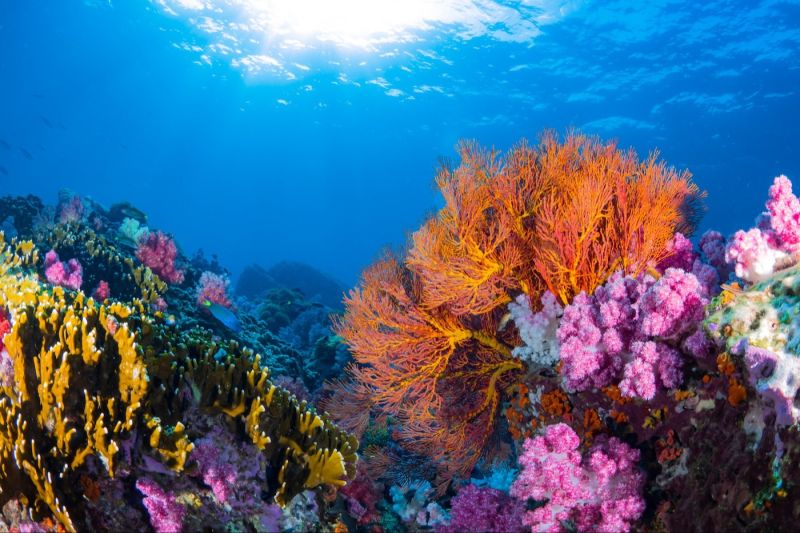
Is it possible to give old things new life? Can broken, destroyed, and wrecked items provide a new home for millions? What good is it to purposely sink 2,500 old New York City subway cars into the ocean?
When it comes to coral reef restoration, the word “upcycle” has a whole new meaning!
What is Coral Anyway?
Often mistaken for a rock or a plant, corals are true animals. There are around 6,000 different species of corals, ranging from sunny coastlines to the chilly, dark seabed.
A coral reef is made up of a colony of tiny animals called polyps. Polyps are soft-bodied cylinders covered by tentacles and can grow a shell around themselves, which is what makes solid, structured reefs. When you look at a hard coral reef, you can think of it like an enormous seashell apartment complex full of little polyps.
Brightly coloured corals get their unique hues from an algae called zooxanthellae. This is an example of a symbiotic relationship, where both organisms benefit from each other. The coral’s structure provides a safe host home for the algae, and the algae absorb nutrients by photosynthesis. Because algae produce energy from the sun, corals, which harbor zooxanthellae, live in shallow waters where they can get lots of natural light.
Coral reefs are extremely complex infrastructures growing together, which provide essential habitats for about 25% of ocean life, even though corals themselves only make up about 2% of the seafloor. For example, the Northwest Hawaiian Island coral reef houses an estimated 7,000 species.
The Effects of Climate Change
Pollution, warming waters, and overdevelopment of coasts from human activities are just some of the stressors that can create uninhabitable conditions for coral reefs.
Unfortunately, many species are considered endangered or threatened, and it is predicted that 90% of wild coral reefs could go extinct by 2050. This has a negative, upstream effect on all organisms that rely on them for sustenance of life.
Introducing Artificial Coral
To combat climate change, scientists have developed a unique solution to aid coral restoration. Artificial reef structures can be made of recycled concrete, steel, or other sturdy and eco-friendly materials. The most common type of artificial reef may surprise you—sunken ships!
sunken ship
Free-floating coral larvae search for suitable places to attach and grow. Hard surfaces provide stability for reefs to plant themselves in places that are too sandy or muddy. Nearly any underwater object that is sturdy enough can create a base for coral regrowth.
When a ship sinks, it pushes up clouds of plankton, which attracts hungry fish. This lays the foundation for a food web, bringing in a wider diversity of organisms. Animals like eels and groupers will make homes of small crevices and caves they can fit into. Larger predators will flock to areas full of food. All it takes is a suitable base for coral to grow and create a chain reaction to build a flourishing ecosystem.
It Takes Time and Science
However, not all sunken objects have benefited coral restoration. Some boats have influxes of toxic substances which can seep into the environment, such as asbestos or rust. For example, a shipwreck off the coast of Palmyra Atoll had to be removed because it hosted an invasion of algae and anemones, which smothered and overtook pre-existing corals nearly a kilometer past the ruins. While many sunken ships have naturally provided a safe environment for new life, planned artificial reefs require cleaning and decontamination before they are introduced to the waters.
In the early 2000s, the city of New York partnered with Delaware to begin the conservation initiative, Redbird Reef, an artificial reef named after the decommissioned Redbird subway train cars. Before 2,500 out-of-date subway cars were donated to be thrown into the ocean, they had removed all the glass, seats, signs, wheels, and petroleum products for the safety of the ecosystem. 714 of these subway cars were sunk alongside 86 retired army tanks off the Delaware coast. Since the installation in 2001, this artificial reef has boasted 400 times more food for surrounding animals compared to the original bare ocean floor.
The Neptune Memorial Reef resides off the coast of Biscayne, Florida, and covers a massive 64,749 square meters of seafloor. Made up of old statues and scrap metal, this reef also offers a unique burial service. People can opt to have their remains cremated and mixed with cement to be turned into a permanent part of the reef. This ecosystem is now home to more than 56 fish species and over 195 coral colonies.
The largest artificial reef in the world is a decommissioned aircraft carrier ship called the USS Oriskany. Weighing 30,800 tons and measuring over 200 meters in length, this vessel was purposely sunk into the Gulf of Mexico in 2006 after being thoroughly cleaned. known as “The Great Carrier Reef”, the USS Oriskany attracts a wide variety of species, including barracudas, crabs, eels, groupers, sharks, and recreational divers.
→

Referred by ripleys.com - where the world’s most extraordinary stories are discovered and celebrated.