


Sunday, 26, April, 2026

Endurance Shipwreck Found 106 Years After Antarctic Sinking

Endurance Shipwreck Found 106 Years After Antarctic Sinking
From Nation, For Nation - Pulse of the Nation
Legacy
Legacy

'Jingle Bells' Isn’t a Christmas Song, Many believe the song was actually written for Thanksgiving.
One of the most popular Christmas songs of all time is “Jingle Bells” by James Lord Pierpont, which was published in the fall of 1857.

When the tune is heard in a busy shopping center or comes on your radio during the Christmas season, it evokes visions of sleighing, snowy weather, and anticipation for one of the merriest holidays of the year. In fact, it was even the first song to be broadcast from space on December 16, 1965.

Prior to playing the song, two astronauts announced, “We have an object; it looks like a satellite going from north to south… I see a command module and eight smaller modules in front. The pilot… is wearing a red suit.”

But would you believe us if we said that, despite the many strange aspects of this song’s origin, we at least know it wasn’t originally intended to be a Christmas carol?

A Sleighing Song
Whether you’re choosing to sing the well-known first verse of “Jingle Bells," its jazzy chorus, or if you remember the lesser-known second, third, and fourth verses, you might be surprised to find out that there is no mention of Christmas, the holidays, gifts, or even the month of December anywhere in the song!

In fact, some historians connect the tune with Thanksgiving rather than Christmas, but generally, there is no mention of when the song takes place other than that it is wintertime.

The Writer of “Jingle Bells”
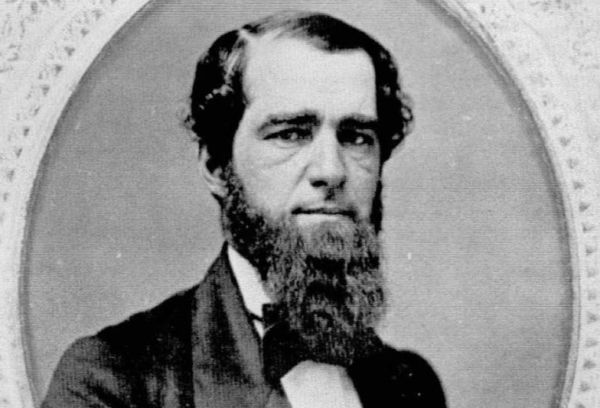
You can’t talk about “Jingle Bells” without giving a nod to the person who wrote it. James Lord Pierpont (1822-1893) was a man of many contradictions, and so is the story of his composition of this popular song as well.

Technically, he copyrighted the song while living in Savannah, Georgia, but because he grew up in Medford, Massachusetts, where sleigh rides and races would have been much more common during the winter months, both towns lay claim to the song. Medford’s government has even insisted it was written at a town bar called the Simpson Tavern. This origin does sound plausible, as “Jingle Bells” was a popular drinking song for years, to which people would jingle the ice cubes in their glasses.

Still, the reason many believe the song was actually written for Thanksgiving is that Pierpont was rumored to have penned it for his father’s Sunday school class for their Thanksgiving church service. Pierpont’s father was a Unitarian pastor, and later, Pierpont himself followed his brother to his own church in Savannah, where the former became its musical director. But despite the Pierponts’ strong church ties, some say the lyrics of “Jingle Bells” would have been a bit racy for a church service, mentioning activities like racing fast sleighs, cuddling with pretty girls, and offering the advice to “go at it while you’re young.”
So, What’s the Deal with This Song Anyway?
Through all this muddled history, it can be hard to determine what the song’s true location or concept of origin was. However, it does seem clear that it was actually a song about racing sleighs and dating rather than celebrating Christmas. The former was a popular hobby at the time the song was written, and both concepts might as well have been too spicy for a Sunday school choir. Yet, it is possible the song’s jubilant tune might have somewhat disguised its meaning then as it does now.
The sad fact is, Pierpont didn’t make much money off the song, which he copyrighted in 1857, and even though his son renewed the copyright before his death, it didn’t become popular until long after. So, why do we sing it every year in December? Probably because Bing Crosby and the Andrews Sisters made it extremely popular when they recorded it in 1943, forever linking it with Christmas.

Grassy Knoll
Grassy Knoll

Up Close & Peculiar With the Grassy Knoll Fence

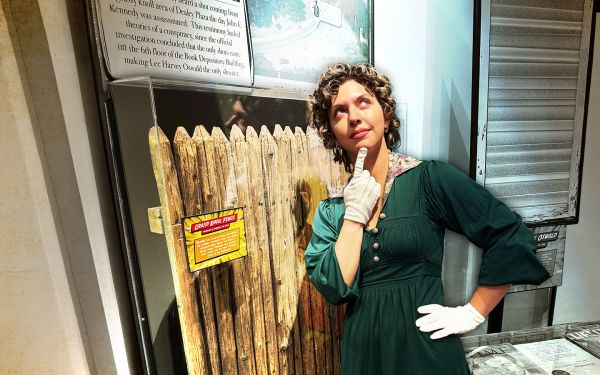
Few artifacts spark as much speculation as this unassuming wooden fence. Now on display at Ripley’s Believe It or Not! Orlando's True Crime Gallery, this section of fence was once part of the now infamous “Grassy Knoll” at Dealey Plaza in Dallas, Texas, the site of one of the most speculated-about events in American history.
Skeptical Viewers
On November 22, 1963, President John F. Kennedy was assassinated during a motorcade through Dallas. Official reports named Lee Harvey Oswald as the lone gunman, firing from the sixth floor of the Texas School Book Depository. But within hours of the tragedy, a different story began to take shape. Witnesses claimed they saw smoke, movement, or even a mysterious man in uniform behind the fence on a small hill along the motorcade route, what the world now knows as the Grassy Knoll.

Mysterious Conspiracies
Over the decades, that fence has become a lightning rod for conspiracy theories. Some believe there was a second shooter. Others argue the fence’s placement created an acoustic illusion. In 1979, a congressional investigation even concluded that Kennedy was likely killed as the result of a conspiracy, though no second gunman was ever proven.
Today, this weathered wooden fence stands as a tangible piece of one of America’s greatest unsolved mysteries, a silent witness to a moment that changed history forever.
From Globe, For Globe - Pulse of the Planet
Xandi
Xandi
Cucumber Couture: The Edible Fashion Statement, Each hat is a one-of-a-kind veggie creation!

Fashion can be bold. Fashion can be weird. And sometimes… fashion can be made of cucumbers.

In Ripley’s Believe It or Not! Seek the Strange, we’re serving up one of the most unexpected style stories: Cucumber Couture. Yes, real hats that are made from real cucumbers.

Meet the Mind Behind the Madness
The mastermind behind this crunchy couture is Xandiloquence "Xandi" Bizarre, an artist who turns ordinary produce into extraordinary headwear.
While most people see cucumbers as salad material, Xandi sees potential… and a very stylish brim.

How Do You Make a Hat Out of a Cucumber?
The process is as strange as it is impressive:
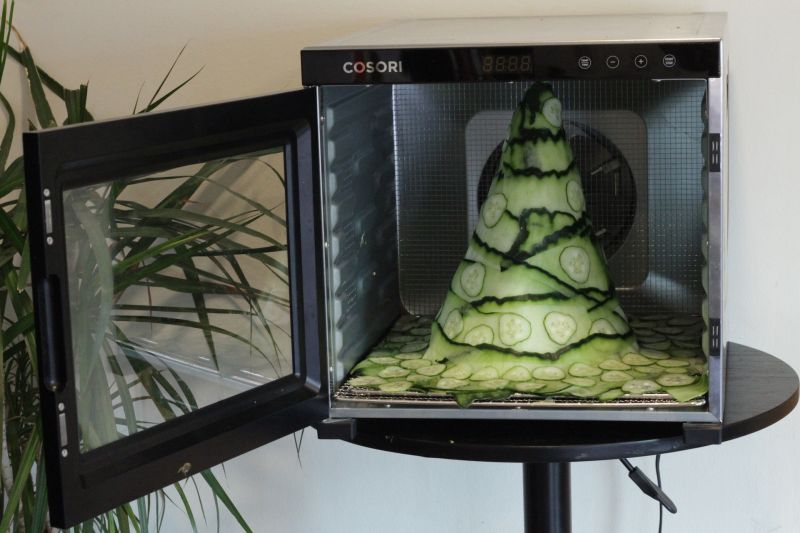
-->First, Xandi peels cucumbers into ultra-thin strips.
-->He carefully shapes the strips into a hat form, which takes about 20 minutes.
-->Then, the hat dries for around 12 hours.
Sometimes, the hat gets a special resin coating. This helps it harden and last up to a few months. Without resin? The hat survives for about one day, making it some of the most temporary fashion on Earth.

Why Cucumbers?
Xandi has experimented with other fruits and vegetables, including apples, pears, and radishes. But cucumbers win every time. They’re flexible, easy to peel, and surprisingly perfect for wearable art.

Referred by ripleys.com - where the world’s most extraordinary stories are discovered and celebrated.
