


World's Largest Ball of Human Hair: Meet Hoss!
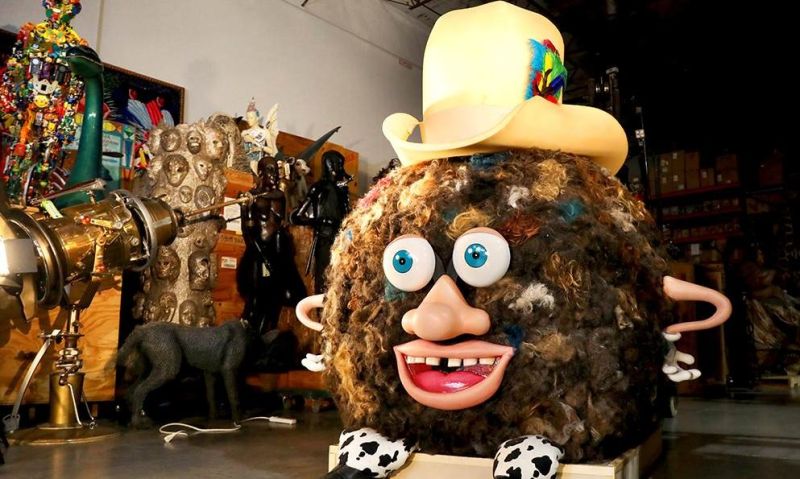
From Nation, For Nation - Pulse of the Nation
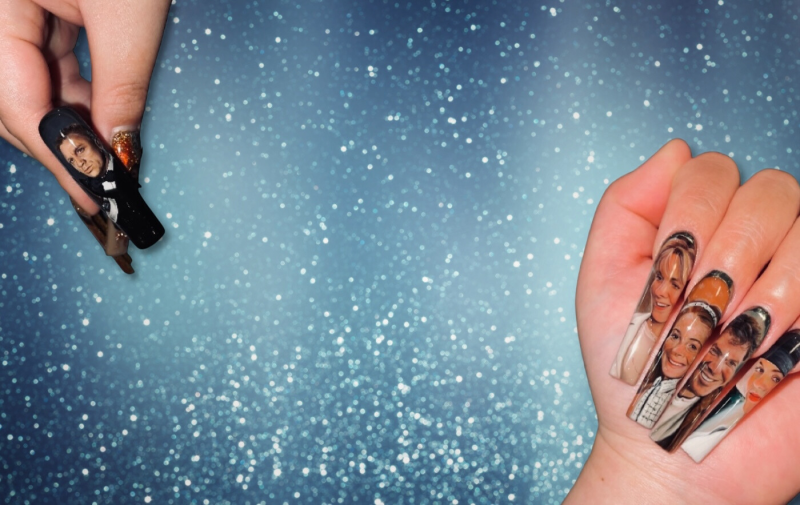
Nailed It: The Nail Art of Vivian Xue Rahey, Tiny canvases, big talent.
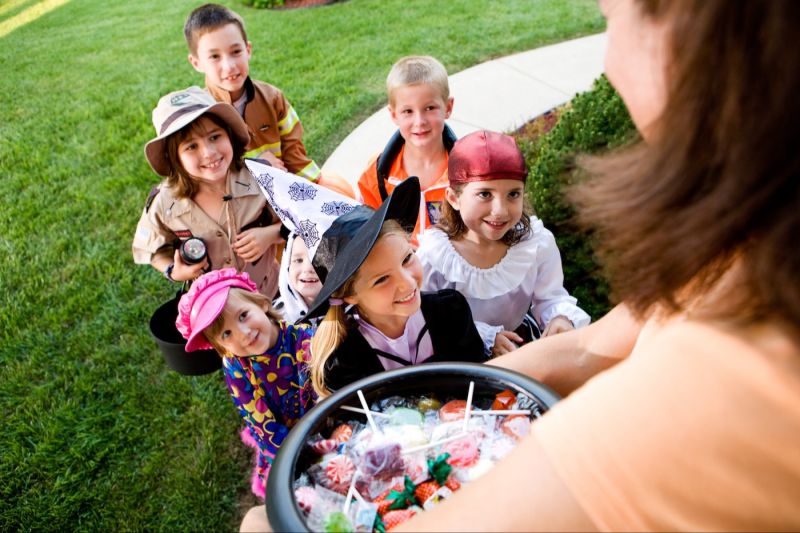
Why Do We Go Trick-or-Treating on Halloween?
Every October 31, millions of kids transform into tiny ghosts, superheroes, and vampires and set out on a mission: collect as much candy as humanly possible before bedtime. Parents trail behind, neighbors brace for the sugar rush, and doorbells across the country get their biggest workout of the year. But behind this candy-coated chaos lies a story that’s far stranger than you might think-one that starts not with chocolate bars, but with ghosts, prayers, and even turnips.
Before Candy Came Ghosts: The Ancient Roots
More than two millennia ago, the ancient Celts gathered on the night of October 31 for the festival of Samhain, marking the end of the harvest and the beginning of the dark, cold winter. On this otherworldly evening, Celts believed the boundary between the living and the dead thinned, and spirits, fairies, and whatever lurked between worlds might just roam free. To maintain peace, villagers would light towering bonfires, carve turnips into lanterns, and set out portions of food and drink for the wandering souls.
Over centuries, that eerie mix of scary spirits, offerings, and fairies would morph into something much more playful. But long before we handed out chocolate bars to pint-sized goblins, people left treats for actual specters.
Medieval Makeovers: From Spirits to “Soulers”
In medieval Europe, the ghostly customs of Samhain took on a new, Christian twist. By the time All Saints’ Day and All Souls’ Day rolled around in early November, people had begun honoring the dead not with offerings to spirits, but with prayers for souls in purgatory. Out of this mix of faith and old-world superstition came souling, a kind of medieval door-to-door ritual where the poor (and plenty of children) went knocking for “soul cakes.” These little pastries were spiced with nutmeg and cinnamon, freckled with currants, and often stamped with a tiny cross. In return for a cake, a prayer was promised-a sweet trade between the living and the dead.
The idea was simple: say a prayer for someone’s soul, and you might just earn a little heavenly credit yourself. In exchange, homeowners handed out small soul cakes, crumbly, spiced pastries said to bring luck to anyone who ate them. Some people offered more than baked goods, too: a splash of wine or a few coins to sweeten the afterlife. In misty corners of Britain and Ireland, bands of “soulers” wandered from house to house, singing, praying, and asking for a small token in return.
Somewhere between faith and folklore, Halloween’s habit of knocking for treats was born.
Mischief Night and the Birth of the “Trick”
By the late 19th and early 20th centuries, Halloween had become more about pranks than platters of pastries. “Mischief Night” traditions included soaping windows, tipping over outhouses, and other chaotic pranks-if you didn’t hand over a treat, you might get a trick.
In Canada, the phrase “trick or treat” popped up in newspapers as early as 1917. Before long, homeowners realized it was cheaper (and far less stressful) to hand out candy than to clean up after pranks. Over time, the “treat” took center stage, and the “trick” faded into playful tradition.
When sugar rationing ended after World War II, candy makers saw an opportunity and turned Halloween into a confectioner’s dream. What was once a night of nuts, fruit, and homemade sweets became a celebration of chocolate bars, candy corn, and jawbreakers. In the 1950s, candy ads paired with growing suburban neighborhoods helped cement trick-or-treating as a kids-only national pastime. →
From Globe, For Globe - Pulse of the Planet
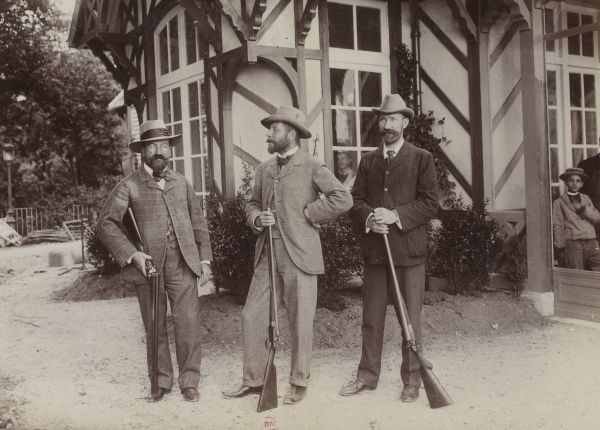
From pistol dueling to pigeon shooting it's probably for the best these events don't make a comeback.
The Olympic Games have always been a showcase of human athleticism and competitive spirit, with events that push the boundaries of what athletes can achieve. However, not all Olympic events have stood the test of time. Some, thankfully, have been left in the past.
Here are a few bizarre and now-banned Olympic events that we’re glad to see go.
Pankration
Imagine a sport with almost no rules and where the only prohibitions were against biting and gouging. That was Pankration, a brutal mix of boxing and wrestling from ancient times. Participants didn’t even wear hand-wraps, making the matches bloody displays of strength and endurance.
The sport originated in ancient Greece and was introduced to the Olympics in 648 BC. Pankration was immensely popular, becoming a staple of ancient folklore due to its gladiatorial nature. The matches often ended with severe injuries or even death, as fighters used any means necessary to subdue their opponents.
Live Pigeon Shooting
In the 1900 Olympics, there was an event that involved shooting live pigeons. Yes, you read that right. Pigeon shooting was an actual Olympic event, and it’s one “sport” everyone is relieved to see abolished.
The event took place in Paris, where competitors aimed to shoot as many released pigeons as possible. The spectacle resulted in over 300 pigeons being killed, leaving the field littered with feathers and carcasses.
The winner, Belgian Leon de Lunden, killed 21 pigeons. While it might have been seen as a test of marksmanship at the time, the grim reality of using live animals for sport makes it clear why this event was never repeated. Modern Olympic shooting events now use clay targets, offering a humane and equally challenging alternative.
Underwater Swim
Also in the 1900 Paris Olympics, underwater swimming made a brief appearance. Competitors had to swim as far as they could underwater in the River Seine, earning points for both distance and time spent submerged. Each swimmer received one point for every second they stayed underwater and two points for every meter they covered.
The event’s primary flaw? It was incredibly boring for spectators. With swimmers disappearing beneath the surface, the audience was left staring at an empty river, making it one of the least engaging Olympic events.
Frenchman Charles Devendeville won the gold by staying underwater for one minute and eight seconds, covering the maximum distance of 60 meters. He narrowly beat fellow Frenchman Andre Six, who stayed submerged for one minute and five seconds. Despite the impressive displays of endurance and skill, the lack of visibility for spectators ensured this event was quickly dropped from future Games.
Pistol Dueling
The Olympics once channeled the Wild West with the inclusion of pistol dueling in the 1906 Games. Contrary to what the name suggests, this event didn’t involve actual duels between competitors. Instead, participants fired pistols at human-shaped dummies with bull’s eyes on their chests. The competition had two stages: shooting from 20 meters and 30 meters.
The event aimed to test precision and speed, with competitors needing to hit specific target areas to score points. While it certainly added a unique flavor to the Games, the event’s association with real dueling practices and firearms makes it an Olympic oddity better left in the past. The sight of athletes firing at lifelike dummies might have been entertaining at the time, but it’s easy to see why this event didn’t have lasting appeal in the context of promoting peaceful international competition.
Looking back at these strange and now-banned events, it's clear that the Olympics have come a long way. While they offer a fascinating glimpse into the history of the Games, these bizarre sports remind us why some traditions are best not revived. Here’s to celebrating the more refined and spectator-friendly events that define the Olympics today!
→

Referred by ripleys.com - where the world’s most extraordinary stories are discovered and celebrated.