


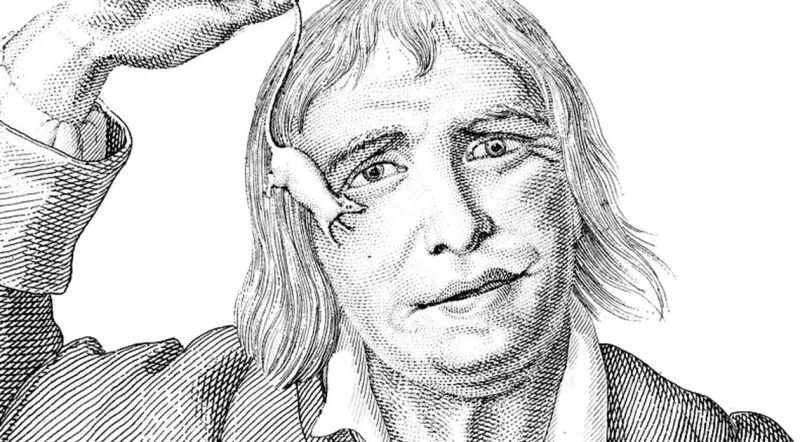
The Medical Mystery of Tarrare, a Cannibalistic French Spy
From Nation, For Nation - Pulse of the Nation
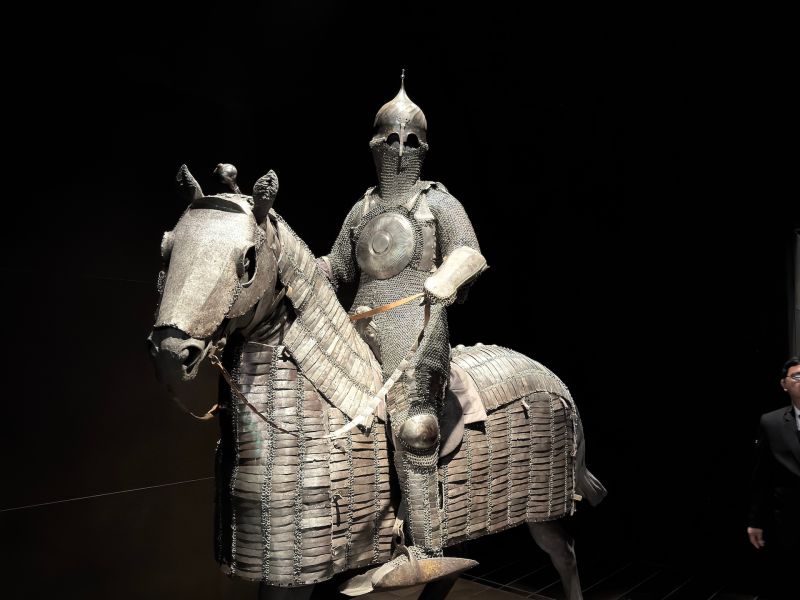
Animal Armor: From Battlefield Protection to Unbelievable Art
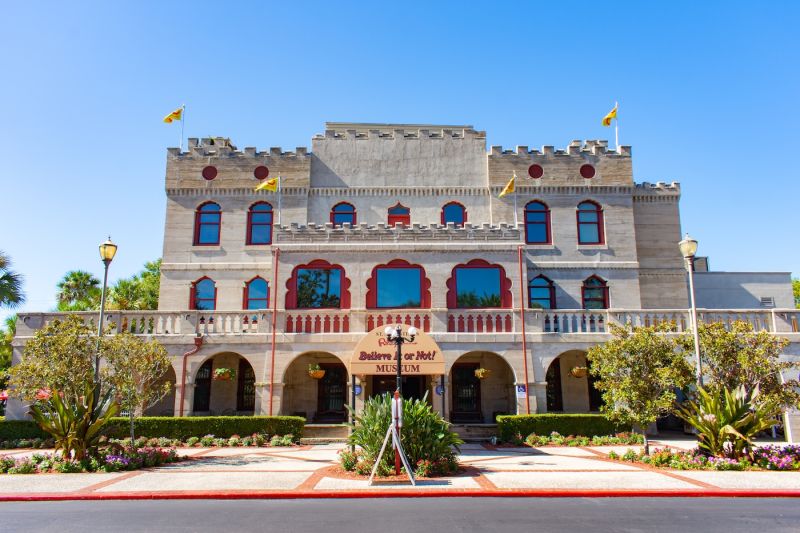
Ripley’s Believe It or Not! St. Augustine Celebrates 75 Years of Strange
For 75 years, the unbelievable has been right at home in the nation’s oldest city!
Ripley’s Believe It or Not! St. Augustine is celebrating a major milestone: three-quarters of a century of strange memories, jaw-dropping artifacts, and unforgettable experiences that have amazed guests of all ages.
Historic Attraction + Historic City
Since 1950, Ripley’s Believe It or Not! St. Augustine has held a special place in Ripley’s history as the first, oldest, and largest Believe It or Not! Attraction in the world. The supposedly haunted museum is housed inside the iconic Castle Warden building, an 1887 landmark that once served as a grand hotel and even welcomed world traveler Robert Ripley himself during the 1940s.
For decades, guests have walked through this castle on San Marco Avenue to discover strange-but-true exhibits, interactive experiences, and rare artifacts that prove reality is often stranger than fiction.
75 Years of Wonder
Since opening its doors, Ripley’s Believe It or Not! St. Augustine has welcomed millions of curious minds.
From unbelievable human feats and odd inventions to mysterious legends and hands-on interactives, Ripley’s Believe It or Not! St. Augustine has evolved with the times while staying true to its roots.
Cryptids Arrive in St. Augustine
This year, Ripley’s St. Augustine has added a brand-new reason to visit.
Cryptids: Where Legends Live takes guests on an immersive journey through global and regional legends, including some with roots right in St. Augustine's backyard. Inside the exhibit, you’ll come face-to-face with stories, artifacts, and encounters tied to famous cryptids such as Bigfoot, Mothman, and many more.
As you explore, you’ll discover:
-->Artifacts and displays connected to legendary cryptid sightings
-->Thought-provoking videos and facts that explore the science, myths, and mysteries behind each creature
-->Interactive elements that invite guests to form their own conclusions
-->Photo-worthy moments perfect for sharing your encounter with the unexplained
→
From Globe, For Globe - Pulse of the Planet
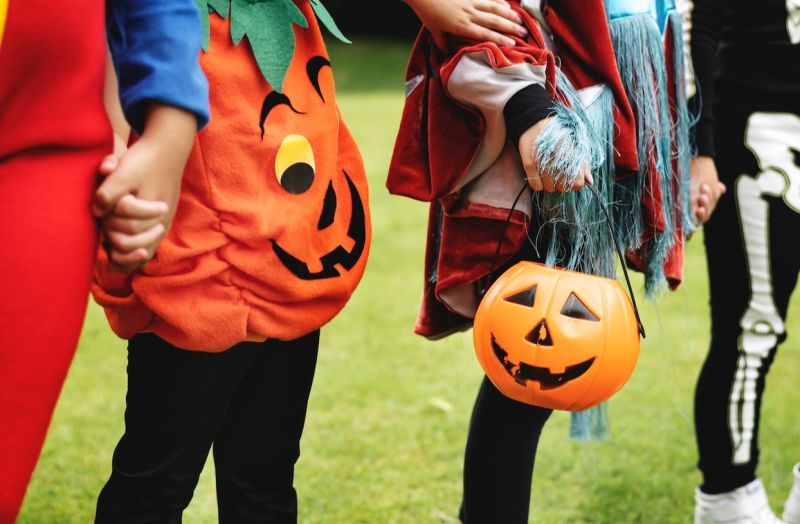
This Halloween, life-sized Labubu dolls, Wicked characters, and heroes from KPop Demon Hunters will be unleashed across cities and towns nationwide. But while pop culture trends influence today’s All Hallows’ Eve costume choices, earlier ones were worn to ward off evil spirits during Celtic festivals.
Let’s take a step back in time and explore the fascinating, frightening history behind popular Halloween costumes…if you dare.
Ancient Origins
The practice of dressing up in Halloween costumes can be traced back over 2,000 years to the Celtic festival of Samhain. Marking the onset of winter and the darker half of the year, the Celts believed that the boundaries between our world and the “Otherworld” blurred on October 31 and November 1.
While some people donned animal heads and skins to scare off spirits, others offered food and drinks to the Pagan gods.
Centuries later, in medieval Ireland and England, people dressed as the dead and went door-to-door offering prayers in exchange for “soul cakes.”
America and Mass Media
The first wave of Scottish and Irish immigrants arrived in the US in the 18th century, bringing their Halloween traditions and superstitions with them. However, efforts were made to “domesticate” celebrations to reflect Victorian-era morality. Halloween was celebrated privately, and only children were expected to participate.
Eventually, people of all ages were once again embracing annual Halloween festivities. Rural Americans were especially drawn to terrifying costumes that revolved around death. Their DIY get-ups were made with whatever they had on hand, including sheets, makeup, and improvised masks.
In the 1920s and 30s, Halloween masquerades were hosted in family homes or rented salons, and celebrated by kids and adults alike. It was during this time that pop culture started influencing costumes. The J. Halpern Company began licensing fictional characters, including Mickey Mouse, Popeye, and Little Orphan Annie.
However, by the mid-1940s, there were again efforts to recast Halloween as a holiday for younger children and discourage adults from participating. This was mainly due to Halloween pranks and vandalism becoming more common.
In the 1950s, manufacturing Halloween costumes had become big business. With the rise of television, privately-held corporation Ben Cooper, Inc. started collecting the licenses and mass-producing costumes of many live-action TV show characters. By the 1960s, Ben Cooper, Inc. owned up to 80% of the Halloween costume market!
Modern-Day: From Celtic to Capitalistic Celebrations
Halloween costumes have seen a dramatic journey over the centuries. Evolving from animal hides and heads to scare off spirits to handmade ensembles centering around death, and finally to mass-produced outfits of cultural icons, Halloween costumes have always been a reflection of the times.
→

Referred by ripleys.com - where the world’s most extraordinary stories are discovered and celebrated.