


The Tallest Man in History: The Incredible Story of Robert Wadlow
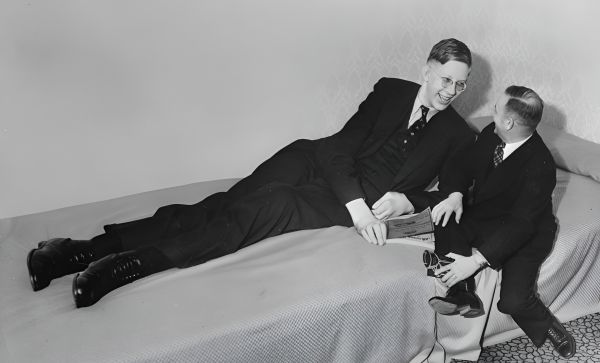
From Nation, For Nation - Pulse of the Nation
The Great Government Free Cheese Movement, It wasn't exactly charcuterie-worthy stuff.
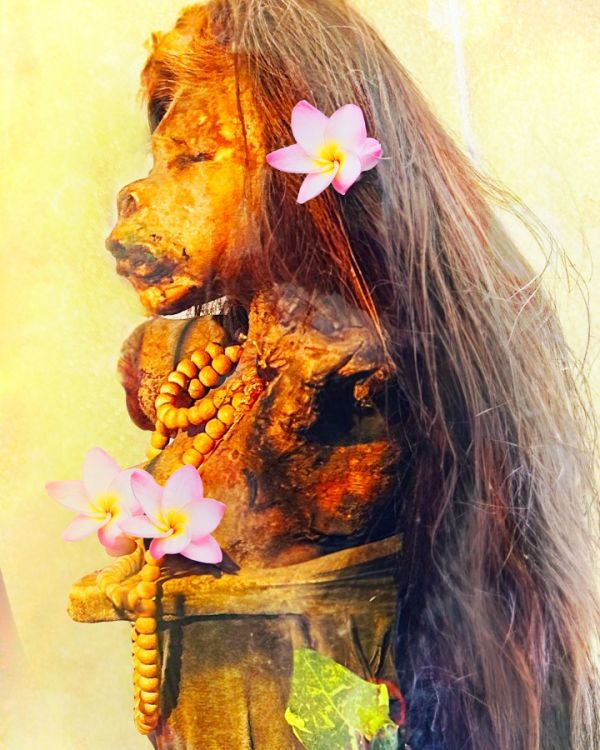
Up Close & Peculiar With a Shrunken Torso, This rare torso is one of only six known in the world!
On display at Ripley’s Believe It or Not! in Gatlinburg is one of the rarest artifacts in the world: a real shrunken human torso, and one of only six known to exist globally. Even more shocking? It once belonged to legendary author Ernest Hemingway.
The History of Tsantsas
The practice of head shrinking, known as tsantsa, originated with the Shuar people of Ecuador and Peru. These warrior tribes believed that shrinking the heads of their enemies would capture their souls and prevent them from taking revenge in the afterlife.
Far from being just morbid trophies, tsantsas were spiritual tools, meant to harness power and protect the living.
How to Make a Shrunken Head
Creating a tsantsa was a highly ritualized process. Here's how the Shuar crafted their eerie keepsakes:
-->The skin and hair were carefully separated from the skull.
-->The head was simmered in a special mixture of water and oils to shrink the flesh.
-->Eyes were sewn shut, and lips were held closed with wooden pegs to trap the enemy’s spirit inside.
-->The inside of the head was packed with hot stones and sand to shrink it further and shape it.
-->Feathers, strings, and adornments were added to the face and ears.
-->Finally, the head was placed by a fire to dry and set the features.
The result? A haunting miniature head with preserved facial expressions, symbolic strength, and spiritual protection.
From Ritual to Rarity
In the 1920s, shrunken heads became bizarrely fashionable among Western collectors, thanks in part to global explorers like Robert Ripley, who introduced these cultural artifacts to the public. Unfortunately, this demand also led to a black market of counterfeit tsantsas sold to curious tourists for hefty profits.
Tiny Torso, Huge Rarity
While shrunken heads are already a rarity, shrunken torsos are nearly unheard of. The piece featured in Ripley’s Gatlinburg is one of the only torsos of its kind in Ripley’s entire global collection and one of just six known worldwide.
Even more unbelievably, this torso once belonged to none other than Ernest Hemingway. As an avid collector of oddities and a world traveler, Hemingway's fascination with rare and unusual items made this morbid piece a prized possession.
Do YOU want to get Up Close with a shrunken torso? Visit Ripley’s Believe It or Not! in Gatlinburg, Tennessee!
→
From Globe, For Globe - Pulse of the Planet
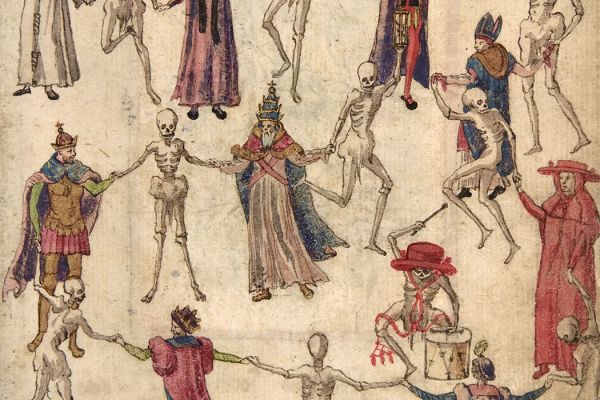
Emperor Domitian went as far as making sure the room and food were all a stark black color.
One word that’s commonly used to describe the Roman Empire is decadence. This wasn’t the case for the warriors and workers, of course, but the emperor’s world was one of glorious luxury, toga parties, and lavish feasts. There’s no doubt that a Roman feast must have been an event to remember indeed.
Luxuriously decorated rooms, elaborate entertainment, and of course, the finest Roman fare. From sow’s udders to raw oysters and dormice, some extraordinary dishes were served, among those Romans rich enough to put on such a lavish event (and those important enough to warrant an invitation). You’d probably expect the emperor to put on the most decadent feast of all, and one of those emperors really excelled himself at one particular event. This is the story of Domitian’s Roman feast… of death, a macabre, memorable, and probably somewhat horrifying meal.
Emperor Domitian And His Frightful Feast
Roman emperors, as a whole, have developed something of a reputation for being ruthless and brutal. They had one of the highest-profile and most challenging positions in the ancient world and weren’t beyond bumping off opponents, critics, and threats in order to obtain and maintain them. With vicious arena games and the constant expansionist warfare, death was an everyday reality of life in the Roman Empire.
Domitian reigned during the first century CE, and was very unpopular among Rome’s ruling class for his cruelty and capriciousness. A ruthless ruler, he would seize the property and wealth of opposition in the senate before having them killed. Developing an increasing fear for his own life (Roman emperors were assassinated with alarming frequency after all), it seemed he had a way of seeing and inflicting death wherever he went. Who better, then, to host a banquet themed around the concept of death?
You Can Have Any Color, As Long As It’s Black
Harry Potter fans will remember the Deathday Party celebrated by Nearly Headless Nick, Gryffindor’s resident house ghost, in Harry Potter and the Chamber of Secrets. Nick’s ghostly friends were all invited, the room was deathly cold with dark, gloomy decorations, a band playing the musical saw was howling away, and the food was moldy and disgusting (to give it a stronger ‘flavor’ the ghosts imagined they could almost taste). This might be how you’d imagine Domitian’s iconic ‘feast of death’ to have looked, sounded, and tasted, and you wouldn’t really be far wrong!
This most unique and macabre of soirees is reported to have taken place in the year 89 BC. It was something of a garish Halloween party, Roman style. Everything from the naked bodies of the servants to the food and the room itself was stark black. Domitian had much more in store for his esteemed guests, however.
What Was on the Menu?
According to a translation of Cassius Dio, “all the things that are commonly offered at the sacrifices to departed spirits were likewise set before the guests, all of them black and in dishes of a similar color." Sounds delicious; thanks, Domitian. His honored guests, whom Dio described as “the foremost men among the senators and knights,” surely knew of the Emperor’s fear of and ghastly retribution against those major Roman players who displeased him, and so it’s probably understandable that sophisticated dinner conversation was a little lacking on their part. In fact, according to Dio, “on the part of everybody but Domitian there was dead silence, as if they were already in the realms of the dead.” They surely feared that they soon would be!
Domitian had considered every little detail when it came to his event. Were there personalized place settings? Of course there were. The thoughtful emperor had tied them into the theme of the event with all the attentiveness of an overzealous party planner, with Dio going on to comment that “he set beside each [guest] a slab shaped like a gravestone, bearing the guest's name, and also a small lamp, such that hang in tombs.” Now these are the little details that make any party… well, bone-chillingly horrifying.
What Happened Next?
Well, then. We have Domitian and his knights and senators, sitting in a room that looked like your average Tim Burton movie set. What you’ll really want to know now is this: What happened to the attendees? Did the feast of death end in… well, death? Domitian’s reputation precedes him, and you might expect so. No, it didn’t, as it happens: Everybody left in peace rather than in pieces after the emperor had finished discussing, as Dio put it, "only... topics relating to death and slaughter.” A fun night indeed.
The Aftermath And The Possible Reason For The Macabre Feast
The ancient Roman historian noted that more surprises still were to come, even after everybody had left the terrifying event. When everybody arrived home from the banquet, they were reportedly given gifts via messenger from Domitian.
They included, Dio states, “the dishes that had been set before them at the dinner, which were constructed of very costly material.” And quite right too. Have you been horrified out of your wits by your Emperor at work? You may be entitled to compensation... in the form of fancy tableware.
But Why?
As to why exactly Domitian wanted to hold such an event (his infamy notwithstanding), it actually isn’t as unusual as it may seem. Memento mori, or “remember you must die” in Latin, is a notion that was often mused upon by the Romans, and they sometimes gave each other grim gifts such as small skeleton figures at parties or feasts. Think of it as a much less colorful and joyous take on the Mexican holiday Dia de los Muertos.
All that talk of death and slaughter, all that terrifying his people, would ultimately catch up with Domitian. Like so many Roman rulers, his demise was plotted by a varied band of conspirators, and he was assassinated in September 96 AD, just seven years after this feast of death is believed to have taken place.
→

Referred by ripleys.com - where the world’s most extraordinary stories are discovered and celebrated.