5 Extinct Species That Could Walk (or Waddle) the Earth Again
Gene-editing techniques, like CRISPR, may be the key to solving these creatures' genetic puzzles!
What if you could set foot in a world where woolly mammoths once again roam through icy tundras and dodos waddle across tropical islands like they never left? It might sound like something out of Jurassic Park, but researchers are getting closer to turning this into reality.
De-extinction-the process of bringing extinct species back to life-is no longer just a sci-fi fantasy. Using groundbreaking techniques like cloning, CRISPR gene editing, and back-breeding, scientists are piecing together the genetic puzzles of long-lost creatures. But why? Is it about righting the wrongs of the past or just pushing the boundaries of what’s possible?
Resurrecting extinct species would be an incredible step for science, but it raises some big ethical and ecological questions-just because we can, does that mean we should?
Here are five species that might just make a comeback sooner than you think.
1. Woolly Mammoth: The Comeback Tour?
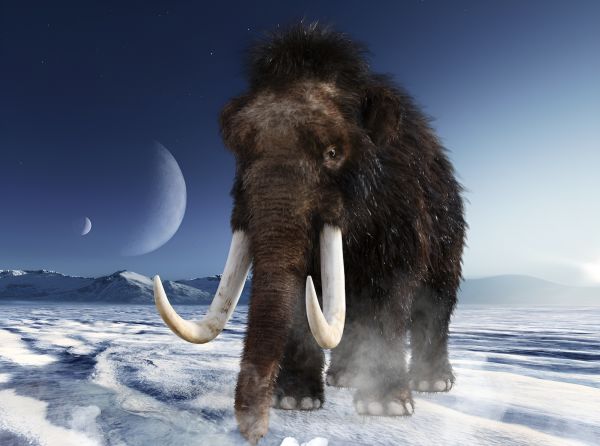
If any extinct creature has a shot at making a dramatic return, it’s the woolly mammoth. Thanks to Siberia’s natural deep freeze, scientists have found remarkably well-preserved mammoth remains-so well-preserved that they’ve been able to extract viable DNA. And that’s a big deal because the mammoth’s closest living relatives, Asian elephants, are still around, giving researchers a genetic blueprint to work with.
The plan isn’t to clone a mammoth straight out of an Ice Age block of ice (sadly, no Jurassic Park-style resurrection happening here), though. Instead, scientists are using CRISPR gene editing to insert mammoth traits-like thick fat layers and shaggy coats-into Asian elephant embryos. This way they could create a cold-resistant hybrid that could roam the Arctic tundra once again.
But so far, scientists have more questions than answers. There’s also the ethical issue of using elephants as surrogate mothers, not to mention the challenge of getting enough edited genes to actually create a mammoth-like creature instead of just a woolly-looking elephant.
And here’s the wildest part-bringing mammoths back isn’t just about curiosity. Some researchers believe that mammoths could help slow down climate change by stomping around the Arctic, knocking over trees, and turning forests back into grasslands. That could help keep the permafrost from thawing and releasing massive amounts of greenhouse gases.
2. Tasmanian Tiger: The Striped Phantom's Second Act
Before vanishing in 1936, the Tasmanian tiger, or thylacine, was a common sight in Australia and Tasmania. Thanks to breakthroughs in marsupial genetics and some remarkably preserved specimens, scientists are now plotting its comeback.
The strategy? Just like in the case of mammoths, researchers are hoping to use CRISPR gene editing to modify the DNA of the fat-tailed dunnart-a small, mouse-like marsupial that's a close relative. This would help them to recreate thylacine traits and, hopefully, produce an animal that closely resembles the extinct predator.
But this wouldn’t be a walk in the park. The thylacine's extinction means limited genetic material is available, making the reconstruction of a complete genome challenging. On top of that, the complexity of marsupial reproduction makes developing the needed reproductive technologies even harder.
3. Dodo: The Iconic Comeback Kid?
The dodo, the famously flightless bird from Mauritius, has long been the symbol of human-driven extinction. But with breakthroughs in bird genetics and a growing push for de-extinction, scientists are now wondering-could the dodo make a comeback?
The plan involves editing the genome of the Nicobar pigeon, the dodo's closest living relative. However, bringing back the dodo isn't just about genetics. Experts point out that the process would only result in a dodo-esque creature at best and that “it will then take years of selective breeding to enhance a small pigeon into a large flightless bird.” After all, it took Mother Nature a few million years to come up with the distinct features of the dodo.
Still, if scientists pull it off, the dodo’s return could reshape our understanding of conservation and the challenges of de-extinction.
4. Passenger Pigeon: The Sky's the Limit
Once upon a time, passenger pigeons dominated the skies over North America in flocks so massive, they could block out the sun. Their sudden disappearance in the early 20th century was a wake-up call about the impact of human activity on wildlife. Now, with abundant genetic material from museum specimens, companies like Revive & Restore are plotting for its high-flying comeback.
The game plan? Using the band-tailed pigeon as a stand-in, researchers aim to edit its genome to recreate passenger pigeon traits. By splicing key genes from the extinct species into the DNA of its living relative, they hope to hatch birds that don't just look like passenger pigeons but think and act like them too.
One of the biggest hurdles, however, could be the passenger pigeon's social nature-they thrived in enormous flocks, and recreating such massive gatherings is a tall order. Plus, their return could have significant ecological impacts, both positive and negative, that need careful consideration.
5. Saber-Toothed Cat: The Ultimate Ice Age Icon
The saber-toothed cat, also known as the "saber-toothed tiger," was the rock star of the Ice Age, and its fascinating, ferocious look has made it an exciting candidate for de-extinction discussions.
However, the road to resurrecting the saber-tooth cat is fraught with challenges. Unlike the woolly mammoth (whose frozen remains have provided relatively intact DNA), saber-toothed cats left behind only bones, resulting in fragmented genetic material. This makes it much more difficult to piece together a complete genome. There are also major ethical concerns about reintroducing a large predator into modern ecosystems-where would it live to avoid disrupting ecological balance and threatening human safety?
Extinction used to be the end of the line, but science is flipping the script-turning long-lost species into comeback stories. But before we roll out the red carpet for the resurrected, one big question remains: are we stepping into Mother Nature’s shoes... or playing with fire?
→