


The King of Animal Traps: Meet Dash Rippington

From Nation, For Nation - Pulse of the Nation
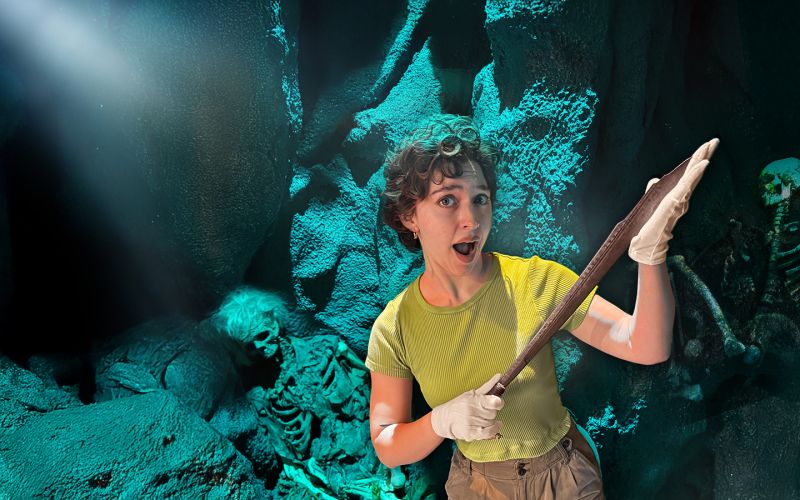
Up Close & Peculiar With a Headhunter's Sword
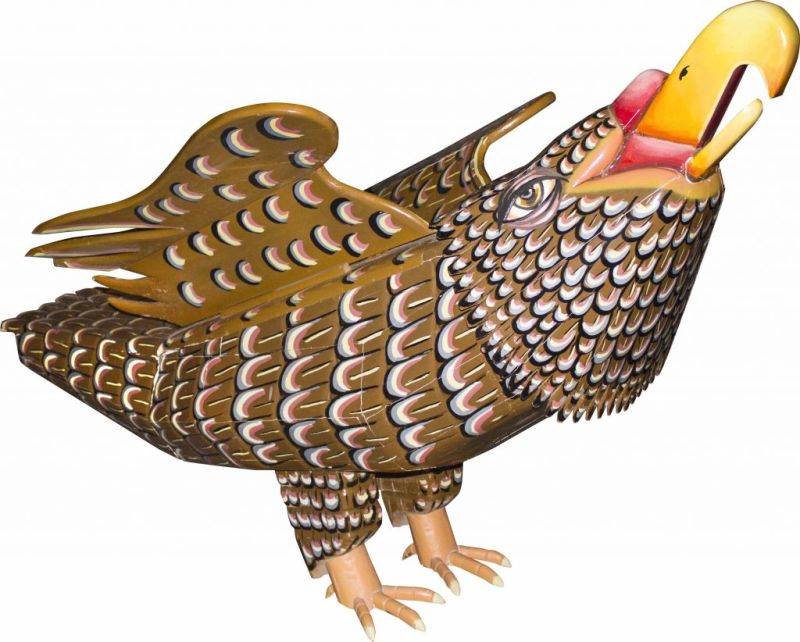
Up Close & Peculiar With African Fantasy Coffins, Would you get buried in a giant shoe?
From Globe, For Globe - Pulse of the Planet
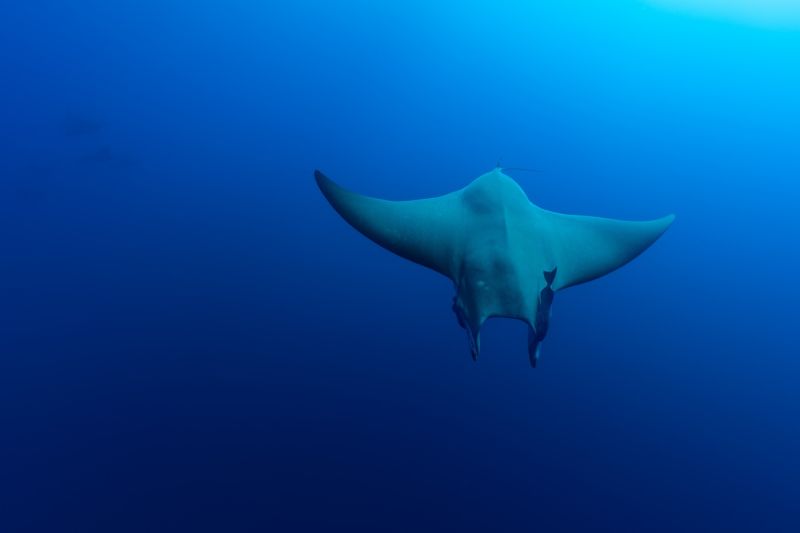
Dubbed the lesser devil ray, pygmy Atlantic ray, or small devilfish, these animals are much nicer than their name suggests. The “devil” in their name comes from the front cephalic fins on their face, which resemble devil horns. They are in the genus Mobula, which accounts for two (possibly three) manta species and seven devil ray species-that is a lot of close relatives!
These diamond-shaped fish could be confused with mantas; however, the wingspan of manta rays is 6 to 7 meters (20-23 feet) wide, while the devil’s is only 1.2 m (4 feet) across. Additionally, the lesser devil ray’s head is smaller in proportion to that of a manta ray. With black backs and ivory-white undersides, devil rays resemble speedy shadows jetting through the waters.
Devil Food
Being filter feeders, devils will unravel the horned fins at the front of their faces to funnel food into their mouths in large quantities. Eating mostly plankton such as krill and other free-floating tiny creatures, they have also been documented to eat small fish and crustaceans.
When not feeding, the fins remain tightly bound and pointed forward for streamlined swimming. Lesser devil rays do have teeth in their upper and lower jaws, though interestingly, males and females have differentiating dental patterns and sizes. Females have a collection of diamond, square, and rectangular teeth—sometimes all present simultaneously in one devil’s mouth! Males have more crowded jaws and long, slender, blunt teeth facing inward. Both sexes have rows of teeth even though they are filter feeders and do not rely on them for eating. This is an example of a vestigial feature: a structure that once served a purpose for a species but no longer has direct use after years of evolution.
To Sting or Not to Sting
Stingrays are armed with a venomous barb on or at the base of their tail and will use it to sting potential predators when threatened. Some species of stingrays (like the spotted eagle ray) can have multiple barbs for protection! When the tail is flicked and triggered, the barb breaks off from the ray’s tail and gets stuck into the predator—just like when a bee uses their stinger. Since it can take months for a stingray to regrow a barb, they only use it as a last resort defense as it leaves them vulnerable to predators.
Posing little threat to humans, stingrays rarely use their defense against people and prefer to swim away. A negative interaction with a stingray typically occurs when a person accidentally steps on a stingray hiding under the sand and spooks them.
Keeping in mind that lesser devil rays are a type of Mobula ray and not a stingray; most species of Mobulas don’t have barbs. Without a stinger, they depend on their speed and agility to evade and escape predators like sharks or larger marine mammals.
Devil Migration
Lesser devil rays are always on the move and frequent warm waters down the western Atlantic, Gulf of Mexico, and Caribbean. Found traveling alone, in large squadrons, or somewhere in between, their social life varies from devil to devil.
They enjoy basking in the sun and staying near the surface of the ocean along the continental shelves. Often jumping playfully through the air in spurts while swimming around, devils are famous for their exuberant energy.
Deviled Eggs
Being ovoviviparous, devils grow and hatch eggs within their bodies to birth pups.
Yielding one pup per pregnancy up to two times a year. Much is unknown about the lifecycle and behaviours of devils, having a widespread population and inconsistent habitats along the Atlantic coast.
Conservation
Lesser devil rays are endangered, and trawling is a big threat. This fishing method uses large nets that catch everything in their path, harming ecosystems and killing unintended animals.
The unwanted catch, called bycatch, includes animals, plants, and algae. Each year, about 10.3 million tonnes of bycatch are wasted.
A better option is the pole-and-line method, which catches fish one at a time and is more sustainable.
→

Referred by ripleys.com - where the world’s most extraordinary stories are discovered and celebrated.