


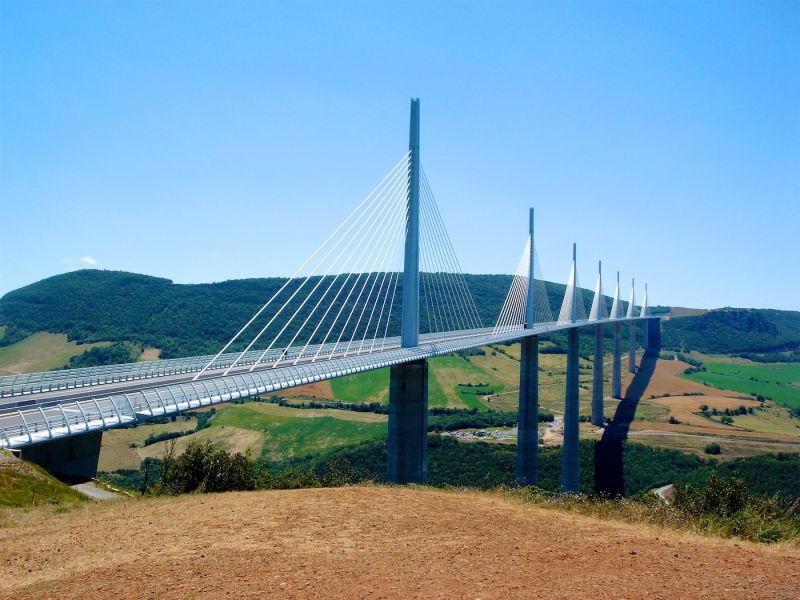
The World’s Tallest Bridge Will Leave Your Jaw on the Floor
From Nation, For Nation - Pulse of the Nation

Matchstick Art: Crafting Intricate Masterpieces

Meet Carmen Getsum: The Sword Swallower Who Lights Up the Stage...
Every year, Ripley’s Believe It or Not! searches the globe for the boldest, strangest, and most unbelievable stories to pack into our annual book. In Ripley’s Believe It or Not! Seek the Strange, one performer glows brighter than almost anyone else: sideshow artist Carmen Getsum, a sword swallower pushing the craft far beyond steel blades.
Step right up… this one’s a dazzler.
A Talent That Cuts Through the Ordinary
Carmen takes the average sword-swallowing performance a step further, and pushing the boundaries means pushing the danger level. Carmen has worked to develop a custom sword that lights up so audience members can visually see the blade through her throat!
Carmen has found a way to get the audience even closer to the unbelievable feat of sword swallowing.
Timing Is Everything, And the Stakes Are High
Sword swallowing is already a dangerous art form, but adding electricity and heat raises the risk to an entirely new level.
Carmen must time the act perfectly to avoid burning her throat on the heated tube. One second too long, one movement too slow, and Carmen could be at serious risk. Her show blends precision, danger, and showmanship in a way that reminds us why human oddities have fascinated crowds for centuries.
Carrying on a Glowing Legacy
Believe It or Not!, Carmen isn’t the first performer to swallow light on a Ripley’s stage.
Back in 1933, during the opening of the very first Ripley’s Believe It or Not! attraction at the Chicago World’s Fair, a performer named Edna Price became famous for her act. Known as one of the era’s “human rarities and oddities,” Edna could:
Swallow 2-foot-long neon tubes that glowed visibly through her throat
Down 12 swords at once, removing them one by one with dazzling precision
Robert Ripley himself crowned her the “Queen of Sword Swallowers”
Nearly a century later, Carmen’s glowing blade act feels like a brilliant continuation of the daredevil women who shaped sideshow history.
Want More Strange? We are Just Getting Started...
Learn about even more incredible people inside the pages of our newest book!
Ripley’s Believe It or Not! Seek the Strange is out now and is available at major retailers and on Amazon. Don't miss your chance to explore the weird, the wonderful, and everything in between!
Grab your copy today and explore even more unbelievable, real-life oddities you won’t find anywhere else. →
From Globe, For Globe - Pulse of the Planet
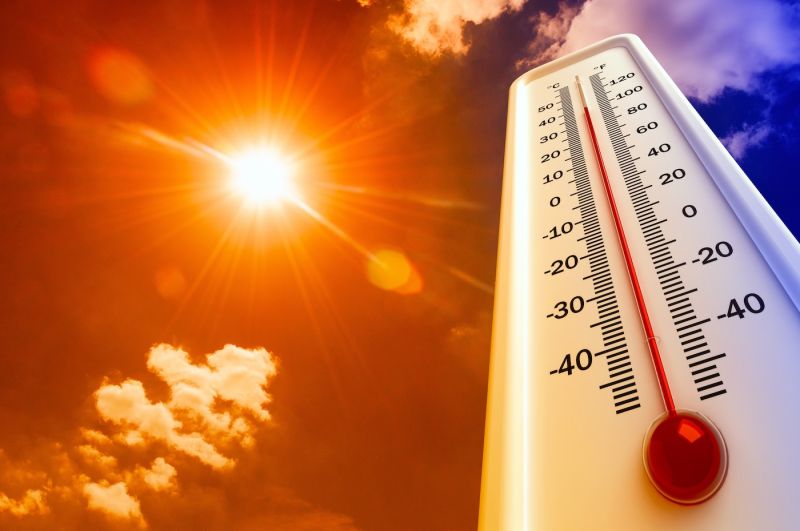
Extreme weather has pushed the boundaries of human endurance.
Weather can be an unpredictable and formidable opponent for athletes competing in the Olympic Games. Throughout history, weather conditions have played a significant role in shaping the experiences of athletes and spectators alike. From scorching heatwaves to bone-chilling cold, the Games have seen it all.
Here’s a look at the coldest and hottest Olympics ever, highlighting how extreme weather has pushed the boundaries of human endurance.
Freezing Tracks and Icy Winds: The Coldest Olympics Ever
The coldest Winter Olympic Games on record were the 1994 Winter Olympics held in Lillehammer, Norway. These games are remembered not just for the spectacular performances but also for the brutal cold that tested all participants. With temperatures often dropping below -25°C (-13°F) at night, athletes had to compete in extremely challenging conditions.
Cross-country skiers, for example, had to navigate through snow, ice, and extreme winds while managing their body temperatures to avoid hypothermia. Biathletes faced the added challenge of keeping their hands steady for shooting despite the biting cold. The spectators, bundled up in multiple layers, showcased their own endurance by braving the frigid temperatures to cheer on the athletes.
Runner-Up: 2018 Pyeongchang, South Korea Winter Olympics
The 2018 Winter Olympics in Pyeongchang, South Korea, also experienced some of the coldest temperatures in recent history. With night-time lows often dipping below -20°C (-4°F), the conditions were harsh for both athletes and spectators. During the opening ceremony, temperatures plunged to -14°C (7°F) with biting freezing winds in the roofless stadium, leading to concerns about the safety of the participants and audience.
Many events, such as the men's downhill skiing, ski jumping, and biathlon sessions, had to be rescheduled due to high winds of 40 to 60 miles per hour. The organizers provided heated tents and distributed blankets to spectators, but these measures could only do so much against the extreme cold.
Sizzling Tracks and Blazing Sun: The Hottest Olympics Ever
The hottest Summer Olympic Games on record were the 2020 Tokyo Olympics. Held in 2021 due to the coronavirus pandemic, these games had extreme humid heat that led to 146 reported cases of heat-related illness among Olympic and Paralympic athletes. Temperatures frequently soared above 95°F.
Many countries had to take extreme steps to protect their athletes. Belive It or Not!, the Olympic marathons and race walks were shifted north to Sapporo, more than 500 miles north of Tokyo!
Runner-Up: 2004 Athens Summer Olympics
The hottest Summer Olympic Games on record were the 2004 Athens Olympics. Held in the birthplace of the Olympics, these games were a true test of endurance due to the relentless heat. Temperatures frequently soared above 35°C (95°F), with some days reaching as high as 41°C (106°F). The extreme heat posed significant challenges for athletes, particularly in endurance events like marathons, where two hours of running in very hot weather can easily increase body temperature to a dangerous 103 or 104°F degrees.
Many countries advised their athletes to hydrate extensively and adapt their training to the heat by training in heated rooms and wearing special clothes and helmets designed to cool them down. Cyclists, too, had to contend with the relentless sun and asphalt radiating heat, making each race a battle against both their competitors and the elements.
From the freezing cold of Lillehammer to the sweltering heat of Tokyo and the humid haze of Athens, these Games have highlighted the incredible endurance and spirit of Olympians.
→

Referred by ripleys.com - where the world’s most extraordinary stories are discovered and celebrated.