


The World's Largest Hot Air Balloon Festival

From Nation, For Nation - Pulse of the Nation
Halloween

Why Do We Go Trick-or-Treating on Halloween?
OG Apple Watch
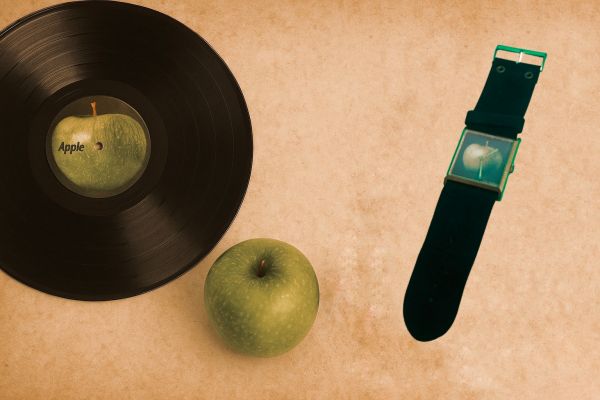
The Original Apple Watch: A Fab Four Collectible Like No Other
Meet the OG Apple Watch.
When people hear “Apple Watch,” they think of sleek smartwatches and cutting-edge tech launches.
But before Steve Jobs, there were John, Paul, George, and Ringo, who created one of the rarest “Apple Watches” in history. That's right, back in 1967, nearly 50 years before Apple Inc. would debut its Apple Watch, the Fab Four briefly sold their very own timepiece.
The Apple Boutique
The Beatles weren’t just chart-toppers; they were entrepreneurs. Their company, Apple Corps, branched into music publishing, film, electronics, and even retail. Now, of course, not all of these were as successful as their music, but you have to love the creativity!
On London’s Baker Street, they opened the Apple Boutique, a psychedelic shop that carried clothes, oddities, and Beatles-branded merchandise.
But unlike their music, the boutique wasn’t a hit. It only stayed open for around seven months before closing down for good.
A Short-Lived Timepiece
During its brief life, the Apple Boutique released a handful of products, including the now-legendary Apple Watch. No, not the digital wrist gadget you know today. This was a stylish Beatles-era accessory featuring their Apple branding.
Because the boutique shut down so quickly, only a limited number of these watches were ever sold. That makes them extremely rare collectibles today, nearly impossible to find in the wild. Which, of course, means we here at Ripley's have one in the vault!
A True Collector’s Gem
The Beatles’ Apple Watch is more than a quirky piece of memorabilia; it’s a snapshot of a moment when the iconic band was experimenting beyond music, building a brand that tried to stretch into every corner of pop culture.
So next time someone flashes their Apple Watch to check the time, just remember who did it first! →
When people hear “Apple Watch,” they think of sleek smartwatches and cutting-edge tech launches.
But before Steve Jobs, there were John, Paul, George, and Ringo, who created one of the rarest “Apple Watches” in history. That's right, back in 1967, nearly 50 years before Apple Inc. would debut its Apple Watch, the Fab Four briefly sold their very own timepiece.
The Apple Boutique
The Beatles weren’t just chart-toppers; they were entrepreneurs. Their company, Apple Corps, branched into music publishing, film, electronics, and even retail. Now, of course, not all of these were as successful as their music, but you have to love the creativity!
On London’s Baker Street, they opened the Apple Boutique, a psychedelic shop that carried clothes, oddities, and Beatles-branded merchandise.
But unlike their music, the boutique wasn’t a hit. It only stayed open for around seven months before closing down for good.
A Short-Lived Timepiece
During its brief life, the Apple Boutique released a handful of products, including the now-legendary Apple Watch. No, not the digital wrist gadget you know today. This was a stylish Beatles-era accessory featuring their Apple branding.
Because the boutique shut down so quickly, only a limited number of these watches were ever sold. That makes them extremely rare collectibles today, nearly impossible to find in the wild. Which, of course, means we here at Ripley's have one in the vault!
A True Collector’s Gem
The Beatles’ Apple Watch is more than a quirky piece of memorabilia; it’s a snapshot of a moment when the iconic band was experimenting beyond music, building a brand that tried to stretch into every corner of pop culture.
So next time someone flashes their Apple Watch to check the time, just remember who did it first! →
From Globe, For Globe - Pulse of the Planet
Queen
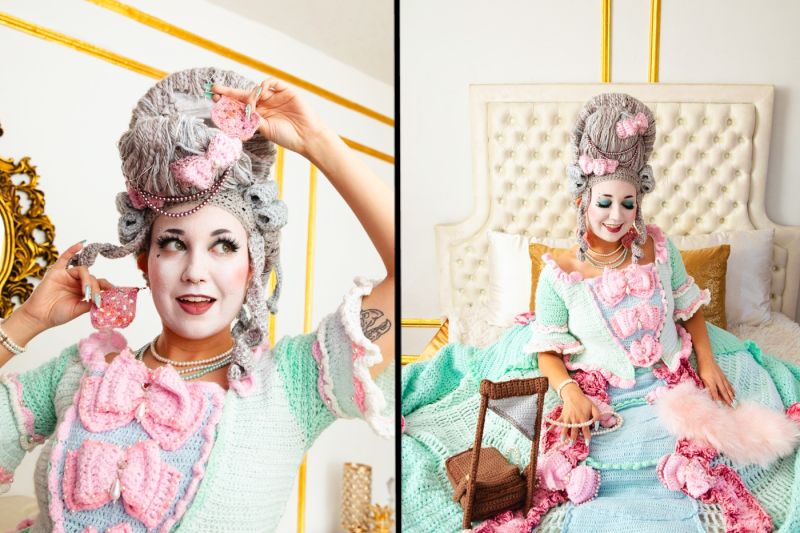
Marie Antoi-knit: The Crocheted Queen
From start to finish, the “Marie Antoi-knit” costume took over 1,200 hours to complete! →

Referred by ripleys.com - where the world’s most extraordinary stories are discovered and celebrated.