


World Dog Surfing Championship: Dogs Catch Waves on the California Coast

From Nation, For Nation - Pulse of the Nation

5 Weird Facts About Copenhagen (That Might Surprise You)
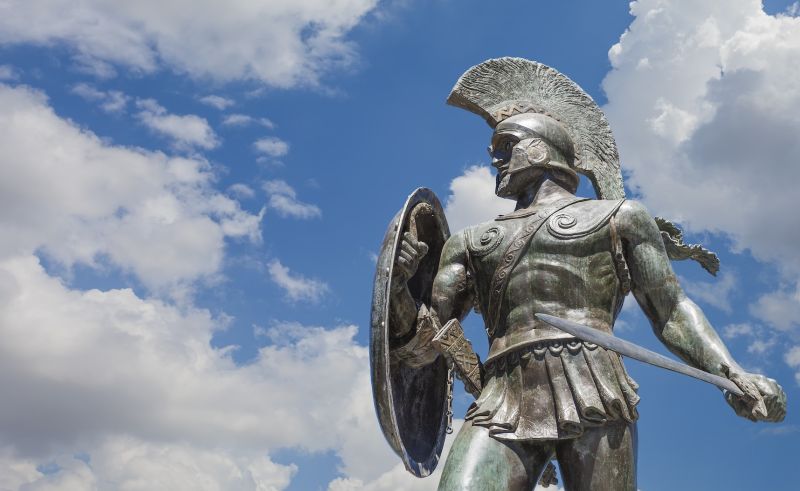
Did 300 Spartans Hold Off a Persian Army of Millions?
But did 300 Spartans really make a final stand against King Xerxes’s massive army of millions? Here’s what we now know about the Spartan and Greek sacrifice that occurred that day.
The Persian Invasion of Greece
In 480 B.C., King Xerxes I of Persia had an axe to grind with the Greek city-states. His father King Darius invaded what is modern-day Greece in 492 B.C. This invasion involved two campaigns, resulting in a decisive Athenian (Greek) victory during the Battle of Marathon in 490 B.C.
Darius had hoped to kill two birds with one stone during the invasion. First, he wished to punish the Greeks for their support of the cities of Ionia (in modern-day Turkey) during a revolt against Persian rule. Second, he saw an opportunity to expand his empire westward.
After the final defeat of the Persians at Marathon, however, Darius died before he could lay siege to the Greek Peloponnese and mainland again. After Xerxes succeeded him, the son took up his father’s grudge and was determined to conquer the Greeks once and for all.
The Greeks Unite
Although the residents of the various Greek city-states shared some basic cultural similarities, they also fought and vied for power amongst themselves. These differences led to competitions such as the Olympics as well as outright warfare. Among the most often contrasted city-states were those of Athens and Sparta. →
From Globe, For Globe - Pulse of the Planet
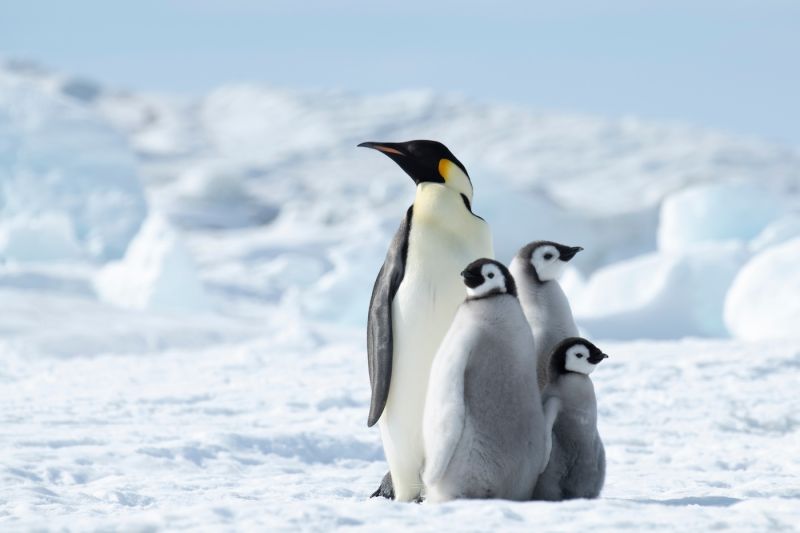
What Does Antarctica Smell Like?
Those lucky enough to visit Antarctica often remark upon the crisp, clean, and almost scentless nature of the landscape.
As nothing but sea and ice stretches on for hundreds of miles, there's little for human olfactory senses to register besides a few molecules of water vapor. That's, of course, barring the fishy musk from a bob of seals, the krill breath of a whale expelling hundreds of gallons of air from its lungs before another dive, or the feces of a thousand-strong colony of penguins.
Once you encounter living things, that crisp smell is supplanted with the diverse smells of life.
Just How Much do Penguins Poop?
Penguins may be the adorable, tuxedoed waddlers of the animal kingdom. But their poop—not just their charm—is making a big impact on the planet.
Large penguin colonies produce a pungent aroma thanks to their guano, which is rich in nitrogen and off-gassing ammonia. Scientists who study these colonies say the smell hits you before the penguins even come into view.
While the South African penguins found in Ripley's Aquarium of the Smokies and Aquarium of Myrtle Beach don't hail from Antarctica, they've thoroughly acquainted our husbandry staff with their fecal functions.
Our dedicated team of aquarists scrub the floor and rocks of our penguin habitats three times a day. Why? Because penguins poop every 5-15 minutes.
According to Ripley's Husbandry, they can even project their poop up to three feet!
→

Referred by ripleys.com - where the world’s most extraordinary stories are discovered and celebrated.