


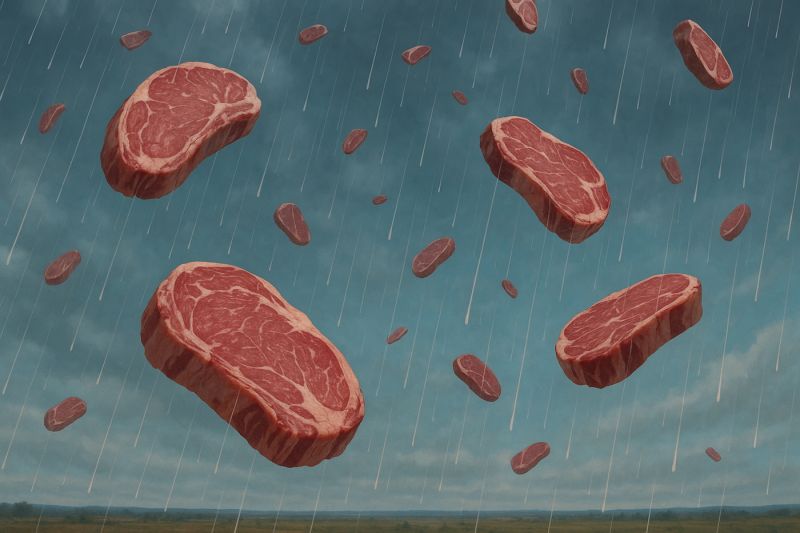
Mysterious Meat Phenomenon: The Kentucky Meat Shower of 1876. {A meat-eorologic mystery.}
From Nation, For Nation - Pulse of the Nation
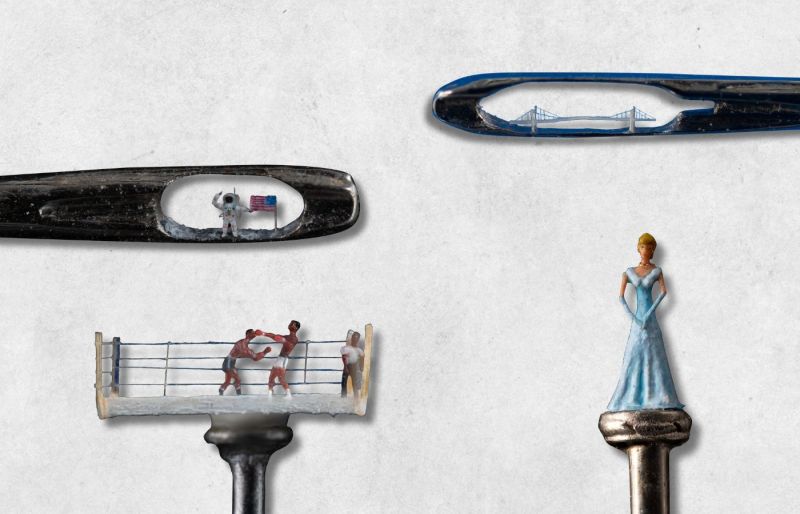
Sculpting Between Heartbeats: The Microscopic World of Dr. Willard Wigan
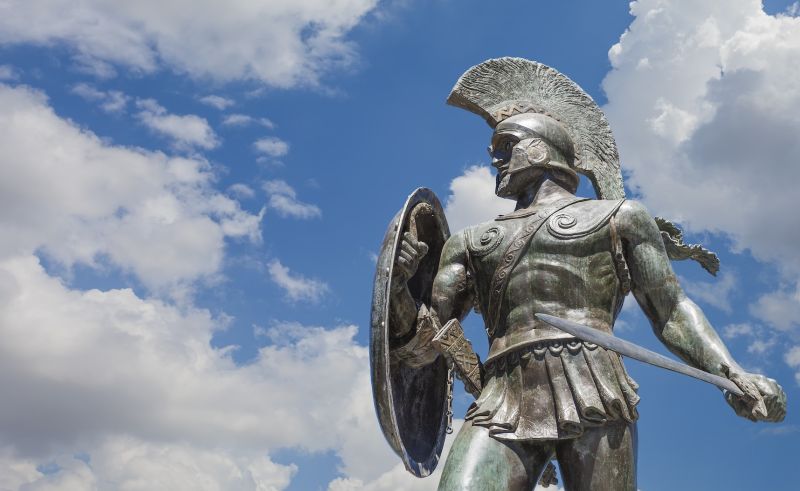
Did 300 Spartans Hold Off a Persian Army of Millions?
But did 300 Spartans really make a final stand against King Xerxes’s massive army of millions? Here’s what we now know about the Spartan and Greek sacrifice that occurred that day.
The Persian Invasion of Greece
In 480 B.C., King Xerxes I of Persia had an axe to grind with the Greek city-states. His father King Darius invaded what is modern-day Greece in 492 B.C. This invasion involved two campaigns, resulting in a decisive Athenian (Greek) victory during the Battle of Marathon in 490 B.C.
Darius had hoped to kill two birds with one stone during the invasion. First, he wished to punish the Greeks for their support of the cities of Ionia (in modern-day Turkey) during a revolt against Persian rule. Second, he saw an opportunity to expand his empire westward.
After the final defeat of the Persians at Marathon, however, Darius died before he could lay siege to the Greek Peloponnese and mainland again. After Xerxes succeeded him, the son took up his father’s grudge and was determined to conquer the Greeks once and for all.
The Greeks Unite
Although the residents of the various Greek city-states shared some basic cultural similarities, they also fought and vied for power amongst themselves. These differences led to competitions such as the Olympics as well as outright warfare. Among the most often contrasted city-states were those of Athens and Sparta. →
From Globe, For Globe - Pulse of the Planet
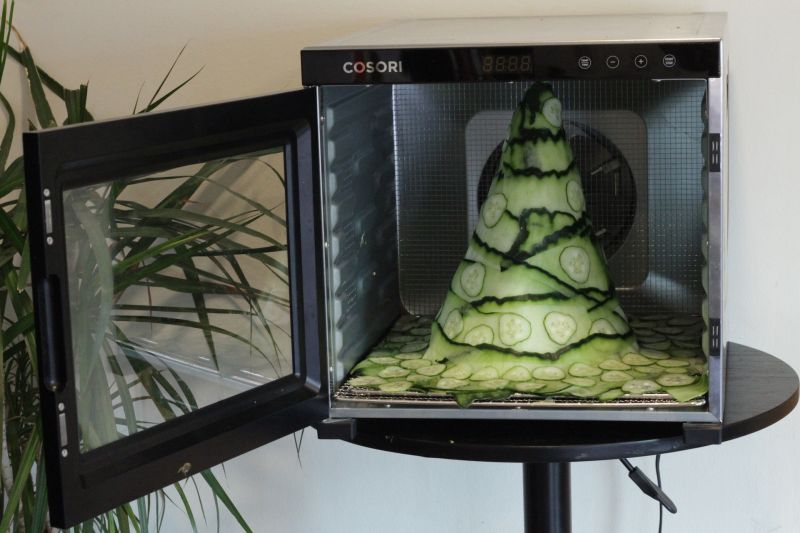
Fashion can be bold. Fashion can be weird. And sometimes… fashion can be made of cucumbers.
In Ripley’s Believe It or Not! Seek the Strange, we’re serving up one of the most unexpected style stories: Cucumber Couture. Yes, real hats that are made from real cucumbers.
Meet the Mind Behind the Madness
The mastermind behind this crunchy couture is Xandiloquence "Xandi" Bizarre, an artist who turns ordinary produce into extraordinary headwear.
While most people see cucumbers as salad material, Xandi sees potential… and a very stylish brim.
How Do You Make a Hat Out of a Cucumber?
The process is as strange as it is impressive:
-->First, Xandi peels cucumbers into ultra-thin strips.
-->He carefully shapes the strips into a hat form, which takes about 20 minutes.
-->Then, the hat dries for around 12 hours.
Sometimes, the hat gets a special resin coating. This helps it harden and last up to a few months. Without resin? The hat survives for about one day, making it some of the most temporary fashion on Earth.
Why Cucumbers?
Xandi has experimented with other fruits and vegetables, including apples, pears, and radishes. But cucumbers win every time. They’re flexible, easy to peel, and surprisingly perfect for wearable art.
→

Referred by ripleys.com - where the world’s most extraordinary stories are discovered and celebrated.