


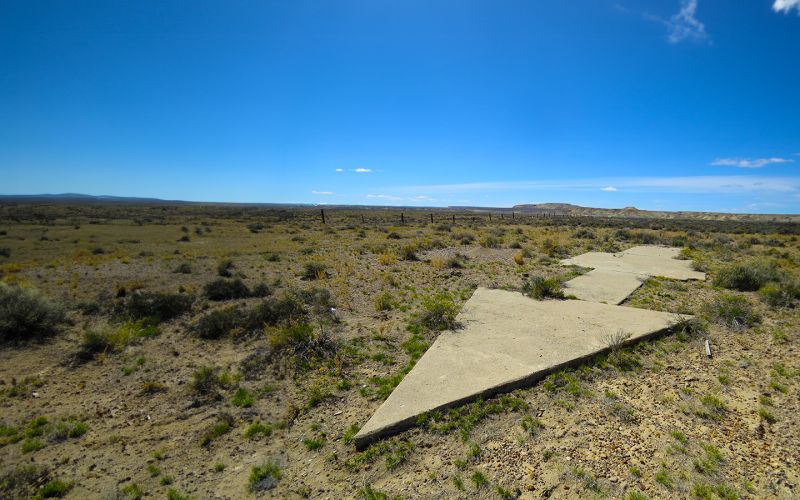
Where Are These Mysterious Desert Arrows Pointing?
From Nation, For Nation - Pulse of the Nation

The Strangest Presidential Inaugurations (So Far)
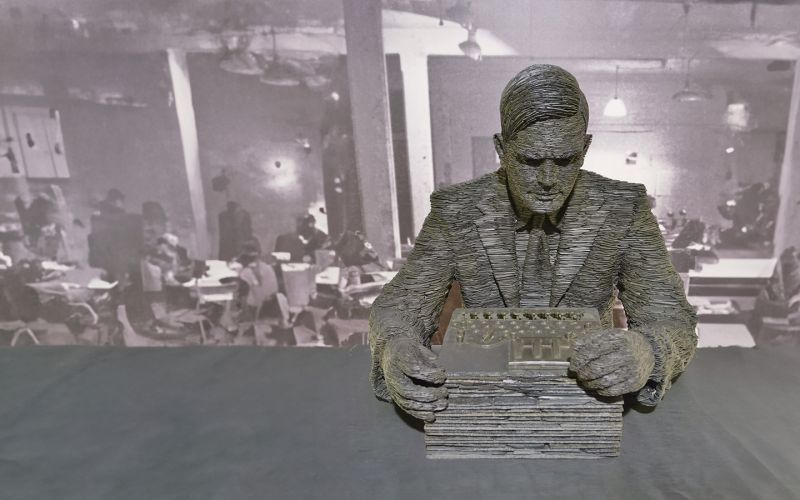
The First Synthesizer Was Invented by a Codebreaker in the 1940s
First Synthesizer
Known as the father of artificial intelligence and the key to cracking the German military’s infamous Enigma Code, Alan Turing was an undoubted genius.
Being such a genius, though, he tended to invent things without even realizing it.
Alan Turing
In the 1940s, Turing discovered he could make his massive early computer generate programmed clicking noises at set intervals. At first, he used this capability to make the first ever computer notifications, not to jam out.
You might not think of a click when you listen to electronica today, but Turing found that if he timed the clicks just right, he could get the human ear to hear a single, steady C note.
Music
Turing, however, didn’t quite appreciate the computer’s musical potential. He was happy enough with his alarm signal.
A young programmer and musician named Christopher Strachey later programmed Turing’s Manchester Mark II computer to play “God Save the Queen.”
At the time, this was longest computer program ever written, and astonished colleagues along with Turing himself.
Teams of programmers went on to program more songs for the computer to perform.
Recordings
Turing actually made recordings of three songs played by his computer. They were “God Save the Queen,” Baa Baa Black Sheep,” and Glenn Miller’s “In the Mood.”
Because the recording had become so distorted over time, it took University of Canterbury’s Jack Copeland and Jason Long painstaking effort to clean up the recording.
Limitations of Imitations
Though many notes could be synthesized by the computer, others were simply impossible for the machine to produce.
This made songwriting a tricky job because the amount of notes available were physically limited. In fact, scientists were sure the restored recordings were not intentional because many of the sounds were impossible for Alan Turing’s computer to produce.
It wasn’t until transistor computers arrived that electronica and chiptunes became popular.
→
From Globe, For Globe - Pulse of the Planet
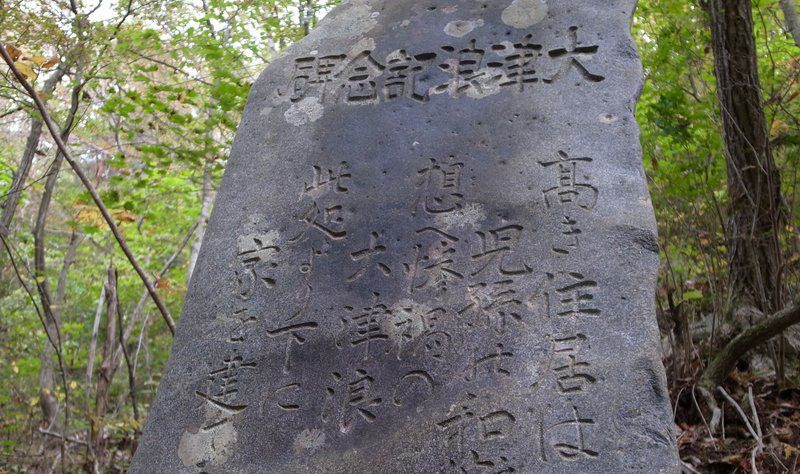
During the 2011 tsunami disaster, one stone marked a boundary just 300 feet from where dangerous waters flooded.
Living With Nature
Every place has something about it that makes living there unique, or downright horrifying. In ocean-side, tropical climates, you have the occasional hurricane. In flatland, there are regular tornados. In California, earthquakes are the norm. They’re all natural disasters, but the people in these parts of the world learn to live with them as best they can. You prepare when you know one is coming, and you hope this instance won’t be the worst one yet.
In Japan, residents contend with earthquakes, but those quakes often lead to something just as worrisome: tsunamis. While technology is still being worked out to help protect Japanese villages from these disasters, some of the most effective protections seem to be some of the oldest.
Tsunami Stones
Dotted around the island are these ancient stones. Carved into the stones are warnings and information pertaining to tsunamis. Warnings such as:
“High dwellings are the peace and harmony of our descendants. Remember the calamity of the great tsunamis. Do not build any homes below this point.”
Ancient cultures knew that higher ground was safer when it came to dealing with tsunamis. They knew this because they had experienced the devastation of this phenomenon first hand. In an attempt to stop future generations from also having to experience it, they set up warnings.
Not all of the warnings are about where to or where not to build homes. Some of the tsunami stones serve simply as reminders of past disasters. Some of them are so old that the writing etched into the surface has faded away.
Faded Warnings
Small older villages like Aneyoshi on the northeastern coast continue to heed the warnings of the tsunami stones. But as populations rise and the economy booms, more residential space is needed.
In March of 2011, Japan saw one of the worst tsunamis in its history. The people of Aneyoshi village were safe. The waves stopped just 300 feet below the warning stone. But a lot of people in the villages closer to shore who were relying on sea walls to protect them weren’t so lucky.
“It takes about three generations for people to forget. Those that experience the disaster themselves pass it to their children and their grandchildren, but then the memory fades.” -Fumihiko Imamura, professor in disaster planning at Tohoku University
→

Referred by ripleys.com - where the world’s most extraordinary stories are discovered and celebrated.