


World Beard Day: Top 5 Most Influential Beards

From Nation, For Nation - Pulse of the Nation
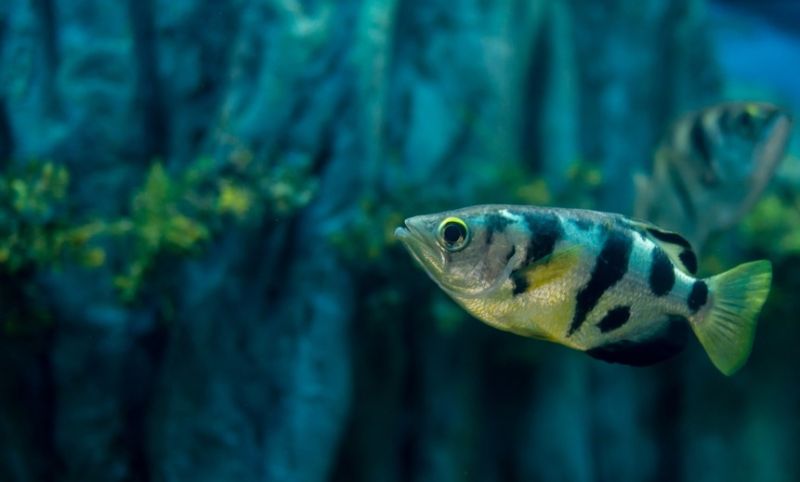
Archerfish: Ready, Aim, Spit!
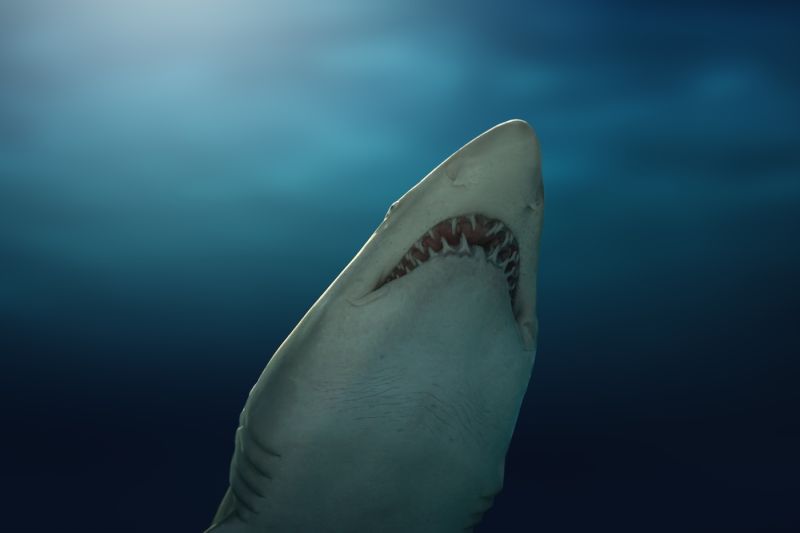
Love Bites: How Scientists Track Shark Mating
Sharks have a pretty unique way of showing love. Instead of holding hands or going on dates, male sharks bite onto females to stay close while mating!
This might sound a little rough, but it’s a natural process. Scientists will often use these bite marks to figure out when and where sharks are mating-without even seeing them in the act!
In honor of Valentine's Day, let's dive into the deep blue and take a closer look at how sharks show their love.
Shark Wound Detectives
One type of shark, the sand tiger shark, helped scientists create a system to track these love bites over time.
Scientists studied a female shark in an aquarium after she got a deep mating bite. The scientists watched as her wound healed through four stages:
Stage 1: Full-thickness wound: A fresh, deep bite that exposes muscle.
Stage 2: Healing: The wound starts to close up after about two weeks.
Stage 3: Closure: The skin comes together after three to six weeks.
Stage 4: Scar revision: The wound fully heals but leaves a scar, which lasts for 35 weeks or more!
Shark Romance in North Carolina?
Scientists also used this system to study wild sand tiger sharks near shipwrecks in North Carolina!
By looking at digital photos from the Spot A Shark USA database, they found that female sharks had fresh bite wounds in late spring and early summer. That means… North Carolina might be a hot spot for sand tiger shark mating season!
So if you happen to see a shark with scars, it might just be a sign of shark romance in action.
Sea Our Sharks
Looking for more? Check out our story on Rip, the sand tiger shark. In March 2022, Ripley’s Aquariums made history with the birth of Rip, the first successful birth by artificial insemination of a sand tiger shark.
Want to meet some of our fin-credible sharks? Visit Ripley’s Aquarium and get up close with the amazing world of the deep blue!
→
From Globe, For Globe - Pulse of the Planet
Marine moms may not get to celebrate Mother’s Day, but they are certainly deserving of an afternoon at an underwater spa or a fancy fish dinner. The ocean is home to some unbelievable mothers-some who protect their eggs for whole lifetimes and others whose instinct leads them right back to the place they were born when it’s time to give birth!
Let’s dive into some of these incredible oceanic mothers.
1. Seahorse
The seahorse is a fantastic study of motherhood because the males actually give birth!
The male seahorse comes equipped with a pouch on its stomach that can carry up to 2,000 babies at a time. The seahorse’s mating ritual involves the male and female intertwining their tails and swimming together for hours on end-a true under-the-sea dance. This unique practice results in the female depositing her eggs into the male’s pouch, where they are fertilized. The fertilized eggs incubate in the male’s pouch for around 24 days.
Once these thousands of baby seahorses are ready to greet the world, the male undergoes contractions and expels them from his pouch. That’s the extent of seahorse parenthood, however, as the young are left to fend for themselves once they are born.
2. Octopus
Mother certainly knows best in the octopus world. As one of the ocean’s most intelligent creatures, the octopus has evolved to dedicate its life to its young.
Octopuses only live between three and five years, and for octo-moms, the bulk of that time is spent seeking out the perfect place to give birth-and then caring for the eggs when they hatch.
A mother octopus will not abandon her eggs, not even for food, and will die shortly after her eggs have hatched. Octopus motherhood is an incredible story of self-sacrifice for her children and the continuity of the species!
3. Humpback Whale
Humpback whale moms add a new layer to the classic ‘Are we there yet?’ gripes from the kids on a road trip.
These mothers will swim up to 4,000 miles during gestation to find the perfect spot to give birth to their calves. Nursing their young takes an extraordinary toll on a female humpback whale, feeding her young up to 100 gallons of milk per day!
4. Clownfish
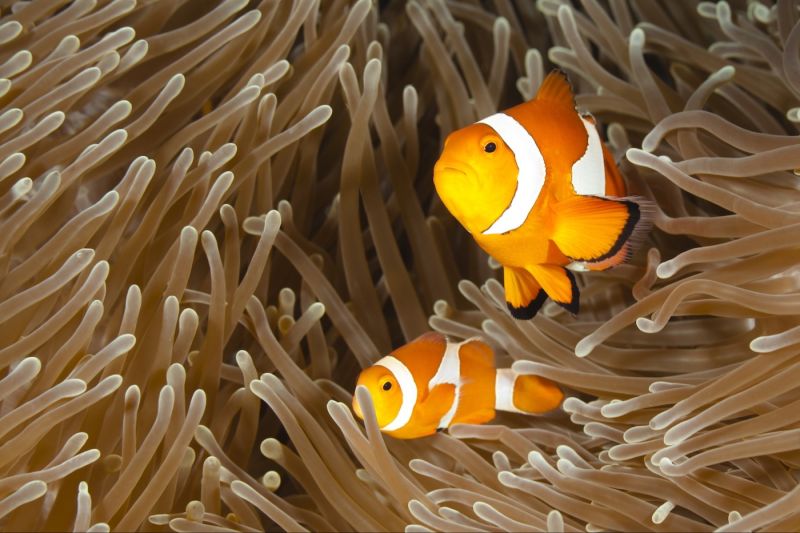
All clownfish are born as males. Yep, that’s right-these colorful fish, made famous in Finding Nemo, undergo a sex-switch process called protandrous sequential hermaphroditism, or protandry.
These fish live in small groups, with the lone female as the alpha. She is protected by all of the other males while she lays her eggs upon the coral or rocks. Once the female in the group of clownfish dies, she is replaced by the largest male-who becomes a female!
5. Loggerhead Turtle
Loggerhead turtle moms are nature’s navigators. These fascinating reptiles are born with instincts to read the earth’s magnetic fields to feed and find fertile spots to graze based on currents and the chemistry of the ocean.
Loggerhead turtles are not raised by their moms-instead, their instincts are coded into their DNA. Unbelievably, when it’s time for these new moms to lay eggs, they find their way back to the exact beach where they themselves were hatched.
The ocean is full of unbelievable moms, from the male seahorse fulfilling the role of the mother to the loggerhead turtle that has its instincts imprinted into its genetic memory. These captivating creatures continue to capture our imagination with their unique motherhood styles.
→

Referred by ripleys.com - where the world’s most extraordinary stories are discovered and celebrated.