


Cowboys In The Wild West Didn’t Wear Cowboy Hats

From Nation, For Nation - Pulse of the Nation
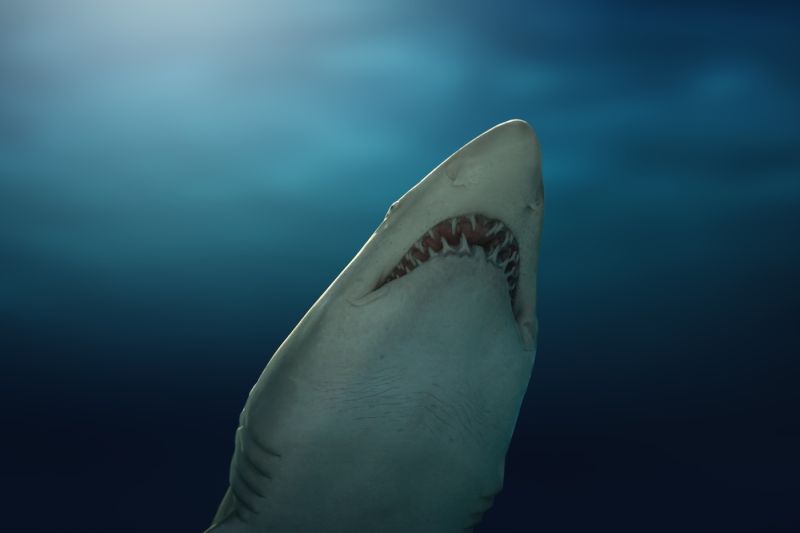
Love Bites: How Scientists Track Shark Mating
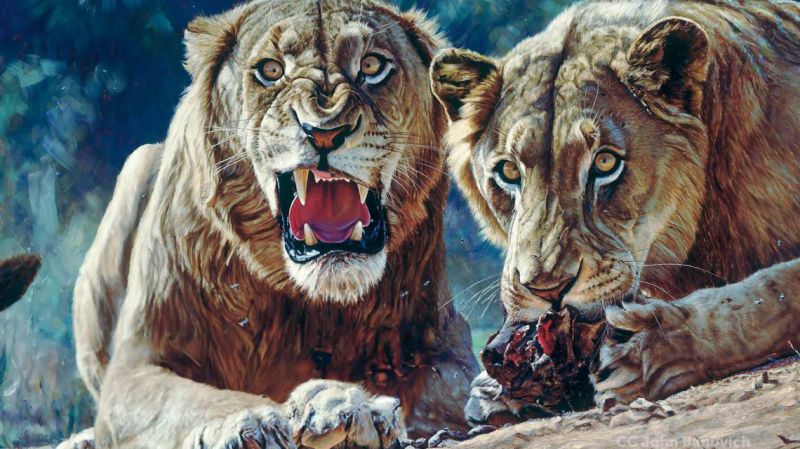
The Savage Tsavo Man-Eaters and the Man Who Stopped Them, They were believed to have eaten up to 135 people.
Just east of the famous Kilimanjaro peak, in the unforgiving Tsavo desert, a pair of lions ate a reported 135 people!
Tsavo lions have long been notoriously known as man-eaters. Smaller than fellow the Serengeti lions that lived over the mountain, Tsavo lions also have smaller or no manes because of their harsh environment.
Tsavo lion groups are smaller than most lion prides. They typically have only one male lion. This male lion has the right to breed. In contrast, most lion prides have many female lions and two male lions.
Tsavo region lion.
As the slave trading roads developed through Tsavo, Kenya, many traders pushed their captives hard across the barren wasteland. When a slave died, they were simply left behind, becoming an ample meal for scavenging predators. Many believed this gave the Tsavo lions an early taste for human flesh, one that would be honed for the incoming British in the late 19th century.
The Ghost and the Darkness
Soon after Lieutenant Colonel John Henry Patterson arrived to lead the construction of a railroad bridge in 1898, lion attacks ravaged his worker’s camp. Striking in the night, a pair of lions with a seemingly insatiable appetite stalked the builders. Screams could be heard in the dead of night as these ferocious predators pulled men from their tents into the wilderness.
So How Many People Did the Tsavo Lions Kill, Exactly?
Some accounts state that 135 people were eaten by the two lions that year, but company reports place the official figure closer to around 30. The actual number of people killed by the big cats remains a mystery because the figure didn’t include nearby villagers.
Patterson the Lion Slayer
Lieutenant Patterson, an experienced tiger hunter in India, took charge of stopping the lions’ massacre. He erected thorn barriers, lit bonfires at night, and enacted curfews, but the attacks only seemed to get worse. The workers grew increasingly superstitious and mutinous.
It took Patterson months to kill the pair of African lions, and upon their deaths, they discovered both were maneless males, rogues without a pride. These lions were very big, about nine feet long. They were bigger than other lions at that time because they had more food to eat.
Patterson and one of the man-eaters of Tsavo.
Patterson was immediately proclaimed a hero for his lion hunting, restoring faith in his workers and acclaim around the world. The lions’ remains were stuffed and eventually made their way to Chicago’s Field Museum of Natural History, where they are displayed alongside their skulls.
The stuffed Tsavo man-eaters./CC Jeffrey Jung
Why Did the Tsavo Man-Eating Lions Kill Humans?
At the time, much romance and superstition were used to explain the Tsavo man-eating lions’ behavior. Patterson said the animals’ reasoning was marked by a never-ending hunger and a taste for human blood. He guessed that the careless burial practices in the region led to lions scavenging human remains.
Scientists studied the preserved lion remains and found that damaged jaws might have influenced their behavior. One lion had an abscessed tooth, meaning it may not have been able to big prey and had to steal food from the camps.
→
From Globe, For Globe - Pulse of the Planet
Associate professor Joseph Dituri hopes to develop ‘super-human’ traits!
University of South Florida (USF) associate professor Joseph Dituri, also known as “Dr. Deepsea,” is in the middle of spending 100 days underwater while conducting research and teaching a biomedical engineering class. The 55-year-old hopes to break the record for spending the longest stint underwater, surpassing the 73-day record set by two people in 2014.
Under The Sea
Dituri’s habitat is 30 feet below the surface. He is living in a 100-square-foot structure located in Key Largo at Jules’ Undersea Lodge, according to a university press release. He will spend part of his time recording his body’s long-term exposure to extreme pressure. He explained on Instagram that he is experiencing about 1.6 times the pressure people encounter on the earth’s surface!
Medical personnel have been monitoring Dituri’s health, which includes blood panels, ultrasounds, electrocardiograms, and stem cell tests. He also undergoes psychosocial and psychological tests. Since he will be confined underwater in isolation for such a prolonged period (conditions similar to space travel), a psychologist and psychiatrist are on hand to assess his health.
A previous study concluded that exposing the body to increased pressure for five days may increase longevity and prevent age-related diseases. Dituri’s research will expand on this data, and he thinks he may emerge from the sea as “super-human.” “This study will examine every way this journey impacts my body, but my null hypothesis is that there will be improvements to my health due to the increased pressure,” Dituri believes.
Looking For Answers
Dituri, a former U.S. Navy saturation diving officer, earned his doctoral degree at USF in order to study traumatic brain injuries, which have affected many servicemen and servicewomen in our country. “I knew well that hyperbaric pressure could increase cerebral blood flow and hypothesized it could be used to treat traumatic brain injuries,” he noted. “I hypothesize that applying the known mechanisms of action for hyperbaric medicine could be used to treat a broad spectrum of diseases.”
Ditrusi is also fielding questions from teachers and their students about life underwater as part of his STEM outreach. When asked how he showers and if he feels like his body is being squeezed from the pressure, he explained that he uses fresh water piped down from the surface, and “as far as the squeezing, the body is mostly made of water which is incompressible so I really don’t feel anything different.” When asked how the habitat stays anchored, Dituri explained that it contains “about 80,000 lbs of positive buoyancy in this facility….it weighs more than that.”
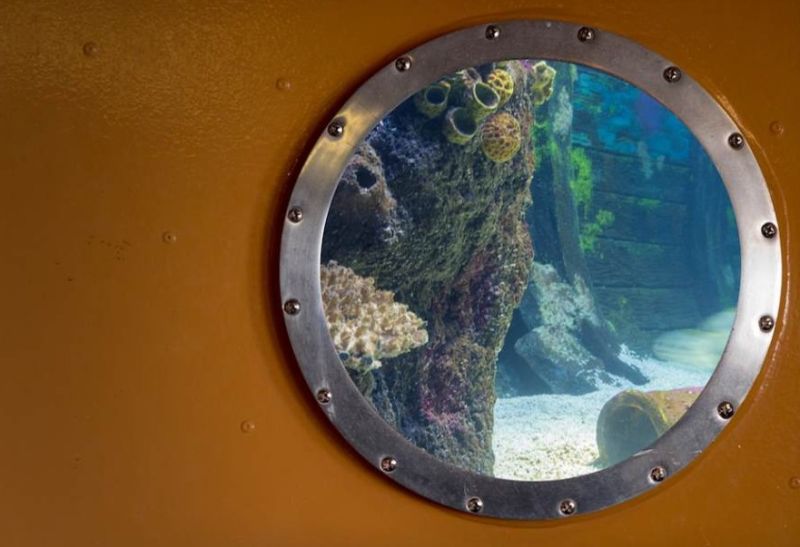
He also makes time for fun, such as playing Rock, Paper, Scissors with a group of divers that stopped by (outside his porthole) for a visit.
More Than Meets The Eye
Dituri has many projects to keep him occupied. For example, he is testing an artificial intelligence tool aimed at screening a body for illness and choosing appropriate treatments. Other scientists have also visited the habitat.
If you have a hankering to spend some time underwater and you are a certified scuba diver, you too can stay overnight at Jules’ Undersea Lodge and explore the marine environment. Just be prepared to pay $1,687.50 per couple for one night. The accommodations include a pizza delivery and plenty of other snacks.
That’s not all though, there is also another way you can tap into underwater abilities. If you’re a musician and are interested in playing songs while submerged, the Denmark-based band AquaSonic is seeking a new drummer. The group’s concerts, dubbed “submerged musical performances,” feature five performers in glass tanks playing instruments and singing completely underwater. The music is described as “eerily melodic and powerfully resonant.” Qualifications for the position include having a “nerd-gene” and “nerding drumming technique.” You must also be physically strong, tolerant of spending long periods working in water, and be able to hold your breath for extended periods.
→

Referred by ripleys.com - where the world’s most extraordinary stories are discovered and celebrated.