


Ramping It Up With Justin Bishop

From Nation, For Nation - Pulse of the Nation
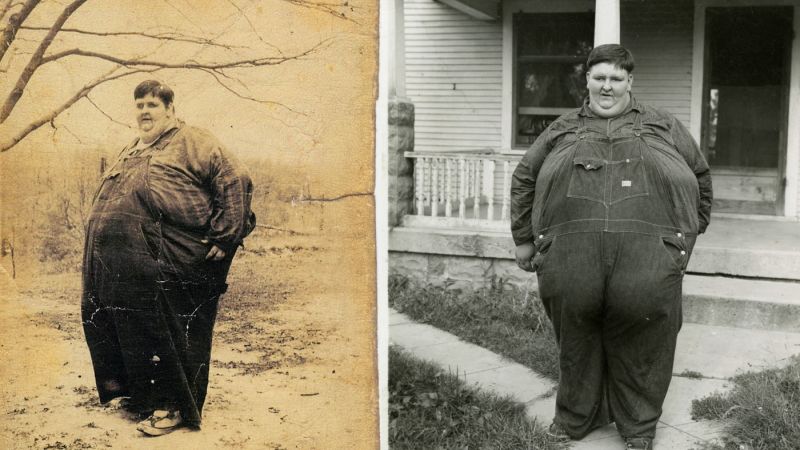
The Incredible Story of Robert Earl Hughes
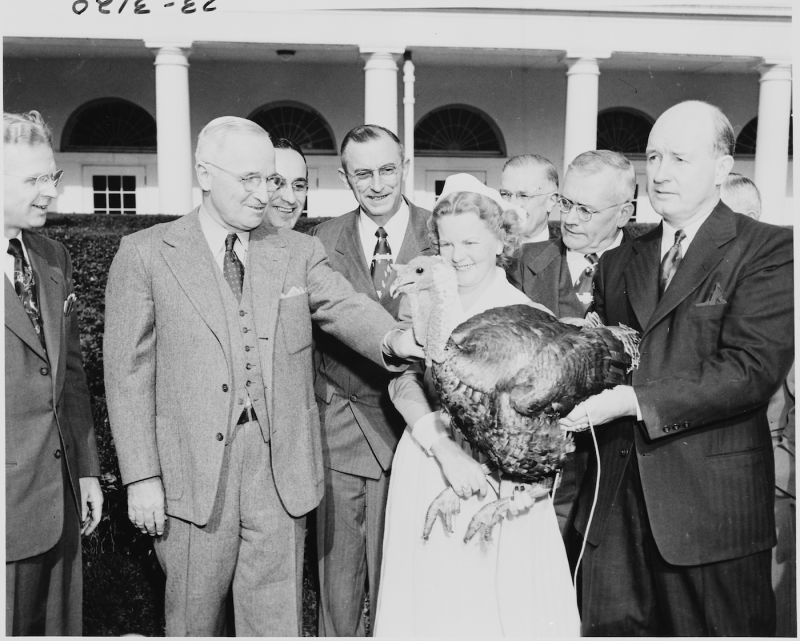
The Weird, but True, History of Presidential Turkey Pardons
Here are just a few odd details surrounding presidential turkey pardons.
Tracing Presidential Turkey Pardons:
Abraham Lincoln
President Lincoln seems to have unofficially started the tradition in 1863 when legend has it that he “pardoned” a turkey that was meant to be a part of that year’s Christmas dinner.
Lincoln’s son had grown fond of their bird, even naming it Jack. Now, what parent could ignore a request from their child to spare a beloved animal? Honest Abe certainly couldn’t. Although a tradition now, this offer of clemency wasn’t an official act.
Harry S. Truman
Now here’s a case of getting the story wrong. Some claim that Harry Truman was the first president to pardon a turkey on Thanksgiving. The Truman Library & Museum disputes this notion.
The truth is, Truman had run into some political trouble with the Poultry and Egg National Board and the National Turkey Federation. You might say he ran afowl of the powerful poultry lobby. As the story goes, from September to November 1947, the government had encouraged “poultryless Thursdays.”
Naturally, the farmers and dealers who sold poultry vehemently objected to this. You can’t really blame them for getting their feathers ruffled, especially considering that Thanksgiving, Christmas, and New Year’s Day, the three holidays when most turkey sales coincidentally occur, all happened to fall on a Thursday that year.
In protest, the Turkey Federation sent crates of live turkeys to the White House. The act ended up promoting the poultry industry, and it soon became an annual tradition for the president to be photographed receiving the “gift.”
Simply photographed… There is no indication of a presidential pardon for any of these turkeys. Most probably became the main course.
President Truman accepted two turkeys at Christmas, quipping that they would “come in handy” for dinner.
Dwight Eisenhower
The turkey lobby continued to send birds to the White House, but this time, during Eisenhower’s term, instructions were given that they be “dressed for dinner.”
John F. Kennedy
In 1963, The Washington Post published an article that mentioned a “pardon” and “reprieve” for President Kennedy’s turkey. JFK apparently declared, “Let’s keep him going.” Tragically, JFK was assassinated in Dallas just three days later.
Richard Nixon and Jimmy Carter
In 1973, President Nixon’s wife, Patricia, accepted the turkeys and then sent them to a children’s farm. Rosalynn Carter made a similar decision, sending the birds to a mini zoo nearby.
Ronald Reagan and George H.W. Bush
By Reagan’s era, turning over the donated turkeys to a farm to live out their days had become standard practice. It was President Bush who first officially mentioned the word “pardon.”
Some Unforgettable Pardoned Turkey Names:
1994: Tom
2000: Jerry
2001: Liberty & Freedom
2003: Stars & Stripes
2004: Biscuits & Gravy
2007: May & Flower (…Mayflower)
2010: Apple & Cider
2012: Cobbler & Gobbler
2014: Mac & Cheese
2016: Tater & Tot
2020: Corn & Cob
2024: Peach and Blossom
In the end, whether rooted in legend or political necessity, the turkey pardon has become a beloved White House ritual. What began as a simple presentation has transformed into a yearly moment of humor, history, and holiday spirit.
→
From Globe, For Globe - Pulse of the Planet
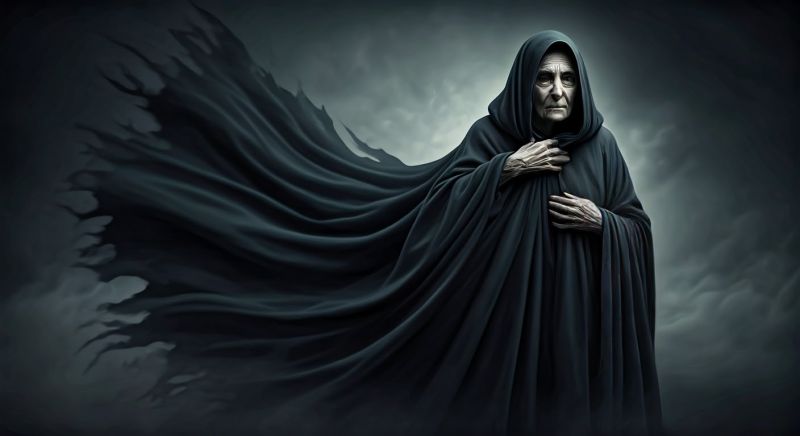
She carried an olive cane (su mazzolu) or mallet to deal deathblows as needed.
A gaunt figure with a faceless black hood and a shiny scythe. The Grim Reaper fills hearts with terror, a highly recognizable symbol of death. Thanks to pop culture, the Grim Reaper has also become international and universal. But death is a woman for residents of Sardinia, the second largest island owned by Italy.
Her name? The accabadora. Here’s everything you need to know about this menacing figure and the mystery of how real she may have been.
The Sardinian Specter of Death
The folktales surrounding the accabadora first appeared in the historical record in the seventeenth century. True crime today has nothing on these early accounts of the murderess. She roved the village at night, dealing out deathblows and seizing belongings.
The accabadora, sometimes spelled as S’accabadora, turned up repeatedly in local legends. What does the term “accabadora” mean? It has a couple of potential sources. They include the Sardinian word sacabbu, which means “the end.” There’s also the Spanish term acabar, which means “to terminate.”
As the legend goes, family members left their door open when someone was sick beyond saving. This act invited the angel of death inside to do her dark work. Sometimes, the patients themselves even requested her services.
As such, she was portrayed as an older woman veiled in black lace. She carried an olive cane (su mazzolu) or mallet to deal deathblows as needed. Roving the town at night at the behest of caregivers and family members, she existed to bring mercy to the suffering. Besides hitting victims, some accounts describe her suffocating or strangling her charges.
A Multi-Tasking “Angel of Death”
But the accabadora didn’t stick to death alone. Besides putting people out of their misery, she also dabbled in many other things. These included delivering babies as a midwife.
Some accounts also discuss her providing herbal remedies to help the sick. In other words, she cared for her community from cradle to grave. She’s also described as clearing the deceased’s belongings from a room. And some talk about her positioning a yoke under the heads of the infirm.
A Terrifying Legend with Real Implications
Here's where the mystery comes in. Some accounts describe her as actually existing. (Yes, you read that right!) And some living Sardinians agree with this assessment. They assert multiple older women filled this role over the generations. They even claim that accabadoras were bringing death into the 1970s!
But the questions don’t stop there. As author of Accabadora, Michela Murgia argues, “The mystery around her, I think, is partially because it was done in secrecy, because it had to be done in secrecy.”
Unfortunately, this secrecy means the trail of the accabadora goes cold quickly. Some researchers think she served merely as a helper at the bedsides of those dying. These people argue she passively assisted rather than actively killing patients. According to Weird Italy, accabadoras “helped in the agony and gave support, so they were respected by the whole community, but they did not kill as it seems to have happened elsewhere (in Greece).”
Symbology Behind the Role
We can only imagine the terror Sardinians felt upon seeing a black-lace-veiled woman striding purposefully towards their house, olive cane in hand. And yet so many questions remain. These include inquiries about the accabadora’s gender and religious stance. After all, Sardinia was traditionally a very conservative, patriarchal Catholic society. Euthanizing people would have been seen as a mortal sin.
Moreover, a woman fulfilling this role seems surprising at first glance. But there are many potential reasons for this. The accabadora may echo the notion of women as givers (and finishers) of life. Or she may reflect remembrances of an ancient goddess, one that existed before the Indo-European migration. In this case, she may stem from the Great Mother. Either way, she’s earned her spot in the Halloween costume scene right next to the Grim Reaper. Don’t you think?
→

Referred by ripleys.com - where the world’s most extraordinary stories are discovered and celebrated.