
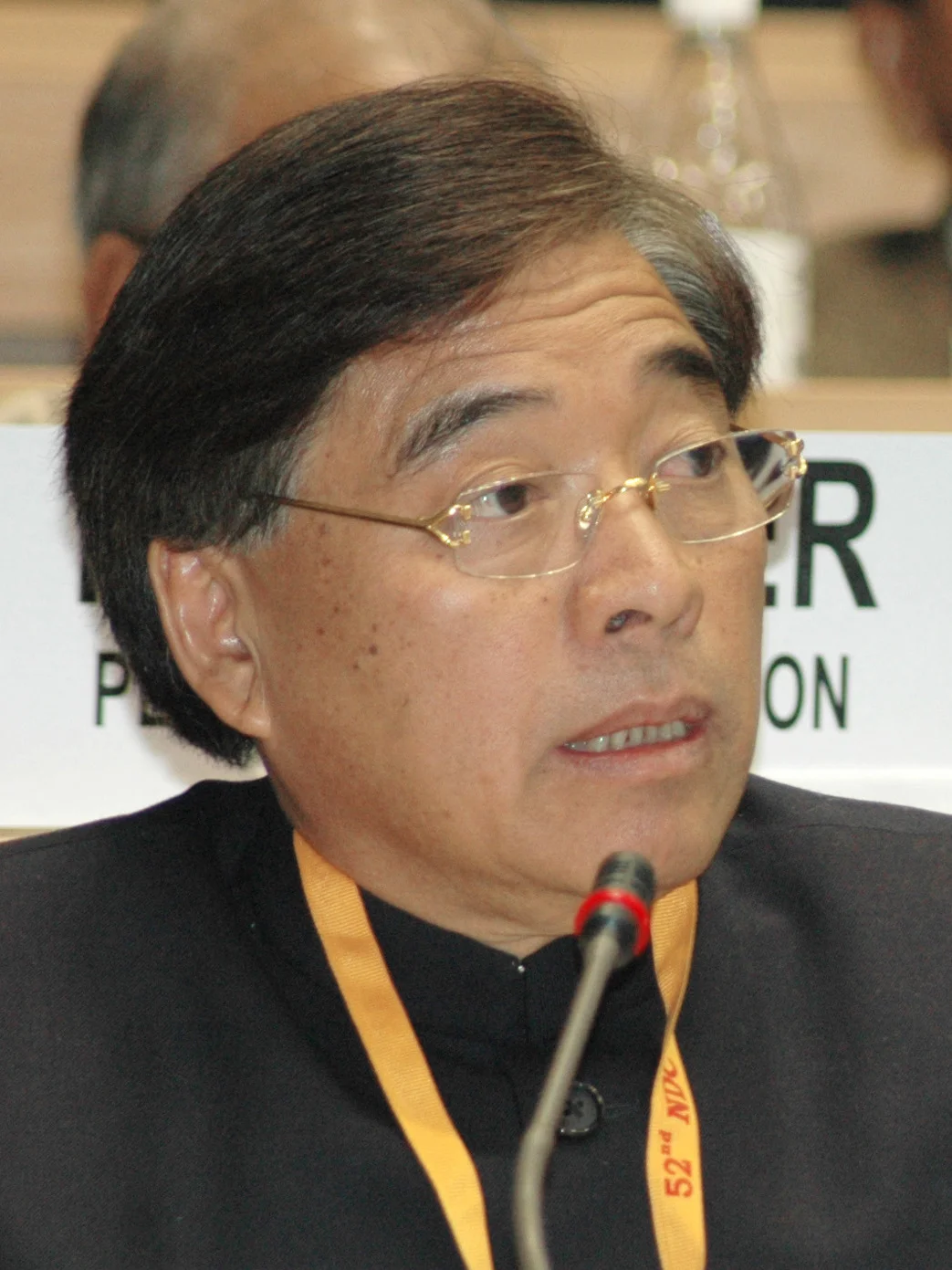
Gegong Apang is a towering figure in the political history of Arunachal Pradesh and one of the most influential leaders in Northeast India. Born on July 8, 1949, in Yingkiong, Upper Siang district, Apang began his political journey in the 1970s and quickly rose to prominence. He became the Chief Minister of Arunachal Pradesh in 1980 and held the position almost continuously until 1999, and again from 2003 to 2007. His cumulative tenure of over 22 years makes him one of India’s longest-serving chief ministers. Apang played a key role during Arunachal Pradesh's transition from a Union Territory to full statehood in 1987. Known for his deep understanding of tribal issues and grassroots governance, he focused on infrastructure development, education, and healthcare in remote regions. Though he was associated with the Indian National Congress for most of his political career, he also aligned with other parties like the Bharatiya Janata Party and Arunachal Congress at different times, reflecting his adaptability in a changing political landscape. Despite facing allegations of corruption later in his career, Apang remains a respected statesman whose contributions laid the foundation for Arunachal Pradesh's modern development.
His legacy continues to influence political discourse in the state, and he is remembered as a leader who helped shape the identity of Arunachal Pradesh within the Indian Union.