
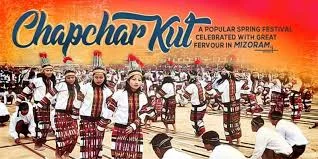
A major spring festival celebrated after the arduous task of jungle clearing for jhum cultivation is complete.
Welcoming Spring with Joy and Renewal
Chapchar Kut, one of Mizoram’s most important festivals, is celebrated with immense enthusiasm as a time of rest and gratitude after the arduous work of clearing jungles for jhum cultivation. Marking the arrival of spring, it symbolizes renewal, abundance, and the deep bond between humans and nature. Usually held in March, when the landscape bursts into bloom, the festival unites communities in thanksgiving for nature’s blessings. People wear traditional attire, sing joyful songs, and decorate villages with flowers and leaves, turning the celebration into a vivid expression of hope, prosperity, and communal harmony.
Vibrant Cultural Expressions and Festivities
The heart of Chapchar Kut lies in its colorful cultural performances that reflect the artistic and agricultural heritage of Mizoram. Traditional dances like Cheraw (the bamboo dance), Khuallam, and Chheihlam are performed with rhythmic grace to the beat of drums and gongs, telling stories of unity and rural life. Alongside these, competitions, games, and community feasts create an atmosphere of laughter and joy. Families and friends come together to enjoy local delicacies and rice beer, transforming the occasion into a festival of shared happiness that strengthens social ties and preserves the cultural essence of the Mizo people.
Cultural Significance and Modern Adaptations
Chapchar Kut embodies the Mizo people’s enduring connection with nature and their agrarian traditions, symbolizing the cycle of labor, faith, and celebration. The rituals, songs, and dances pay homage to ancestral wisdom and emphasize the importance of living in harmony with the environment. In contemporary times, the festival has expanded into a grand state-wide event featuring parades, exhibitions, and concerts that draw tourists and promote Mizo culture globally. Despite these modern additions, Chapchar Kut remains rooted in its original spirit of gratitude, unity, and cultural pride, continuing to stand as a vibrant emblem of Mizoram’s heritage and identity.