
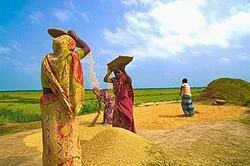
A vital ceremony for rice growers, it's a celebration of the new harvest and literally means "new rice" or "new crop".
Agricultural Significance and Cultural Roots
Nabanna is a traditional harvest festival celebrated in West Bengal, marking the culmination of the paddy harvest season. Meaning “new rice,” it symbolizes gratitude toward the earth and deities for a bountiful yield. Observed in Agrahayan (November-December), it coincides with the post-harvest period, celebrating the agrarian lifestyle. Farmers offer thanks for nature’s blessings, reinforcing the connection between humans, land, and community. The festival reflects Bengal’s cultural ethos, emphasizing prosperity, gratitude, and rural traditions. Families and communities unite to honor the harvest, making Nabanna both spiritual and social in essence.
Rituals, Offerings, and Festive Practices
During Nabanna, households prepare dishes from newly harvested rice, including pulao, payesh, and pitha, shared with family and neighbors. Devotees offer prayers to Goddess Annapurna and local deities for nourishment and prosperity. Homes are decorated with alpana designs, symbolizing abundance and welcoming guests. Communities organize fairs, cultural programs, and folk performances featuring music, dance, and theater. The festival atmosphere celebrates rural life, gratitude, and communal harmony. It blends devotion with social joy, reinforcing cultural values and traditions.
Cultural Unity and Community Celebration
Nabanna provides a platform to preserve and promote Bengal’s folk heritage. Villages host fairs where artisans display handicrafts, handloom textiles, and local delicacies. Folk dances like Baul and Chhau, along with music performances, create a lively environment attracting all ages. The festival fosters social cohesion, bringing people together to celebrate harvest and collective prosperity. It emphasizes sharing, gratitude, and respect for labor and nature. Nabanna, therefore, celebrates not only the harvest but also cultural identity, community spirit, and the enduring traditions of Bengal’s agrarian society.