
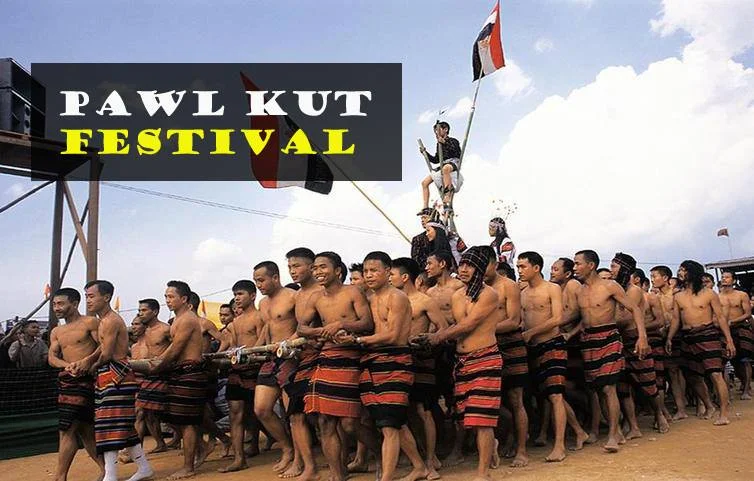
Known as the "Straw Festival", it's a two-day harvest festival held in December or January.
A Celebration of Abundance and Gratitude
Pawl Kut, popularly known as the “Straw Festival,” is one of the most significant harvest festivals of the Mizo community, celebrated in December or January to mark the end of the harvesting season. Derived from the word “Pawl” meaning straw, it symbolizes the completion of threshing when fields are covered with straw, representing abundance and relief after months of hard work. The festival serves as a thanksgiving to the Almighty for a fruitful harvest and brings families and neighbors together in joyful celebration. Feasting, singing, and dancing fill the days, reflecting gratitude toward nature’s bounty and reinforcing the close-knit agrarian lifestyle that defines Mizo culture.
Traditional Customs and Festive Activities
Traditionally lasting two days, Pawl Kut begins with communal preparations and shared feasts featuring local dishes, meat, and rice beer. A key ritual, Chawnghnawt, sees mothers feeding their children meat and eggs as a gesture of blessing for prosperity and good health. The festival also comes alive with colorful cultural performances, including the famous Cheraw (bamboo dance) and lively folk songs that capture the essence of Mizo traditions. Alongside music and dance, games, sports, and friendly competitions add to the festive cheer, fostering unity and joy among community members while celebrating the rich artistic heritage of Mizoram.
Symbolism and Cultural Importance
Pawl Kut is not just a harvest celebration-it embodies the Mizo spirit of gratitude, renewal, and togetherness. It reinforces core cultural values such as respect for elders, cooperation within the community, and reverence for nature’s cycles. The festival reminds people to share their blessings and honor the balance between humanity and the environment. In contemporary times, Pawl Kut has grown into a state-wide cultural event that includes exhibitions, parades, and folk showcases, drawing tourists and promoting Mizo heritage. Yet, despite its modern adaptations, the festival continues to uphold its timeless message of thanksgiving, unity, and cultural pride-ensuring its spirit endures across generations.