
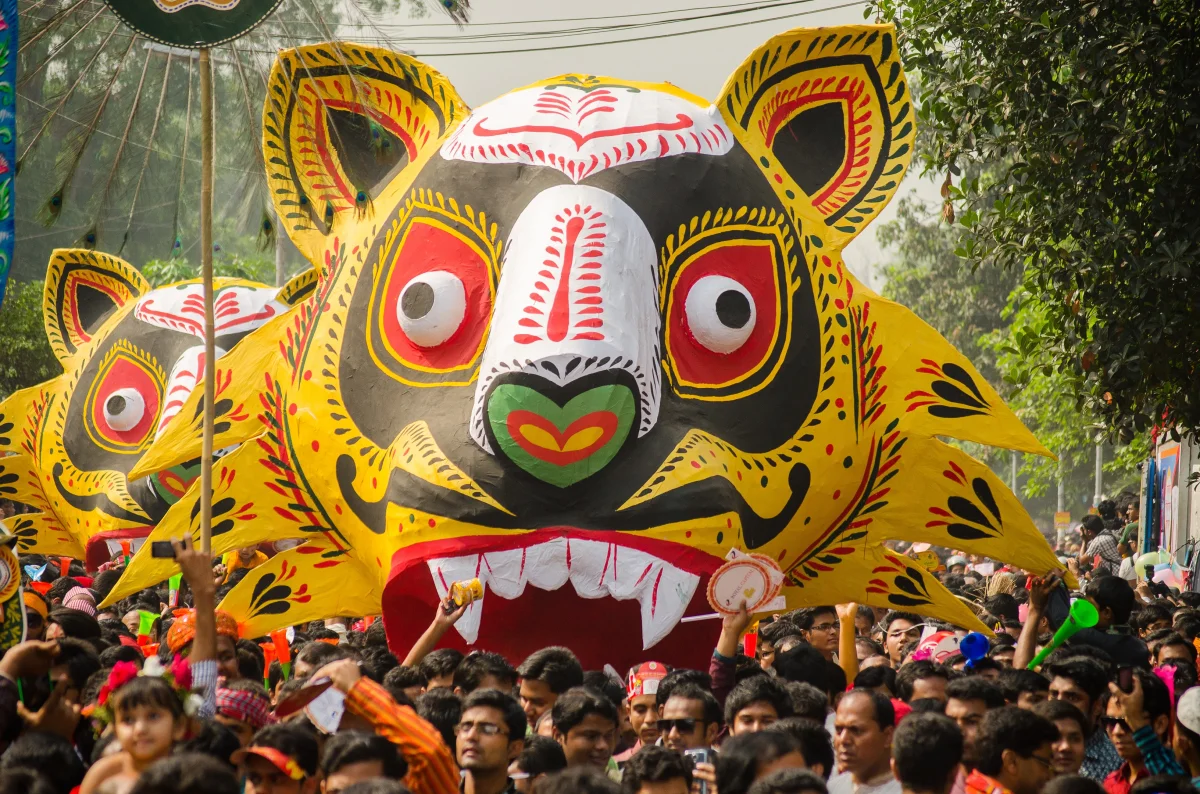
A significant social and national festival marking the start of the Bengali calendar, celebrated with social and cultural events by the Bengali people.
Cultural and Social Significance of Pohela Boishakh
Pohela Boishakh marks the Bengali New Year, celebrated on 14th or 15th April, symbolizing new beginnings, hope, and prosperity. The festival transcends religious boundaries, bringing people of all communities together in joy and unity. It is a time for reflection, setting intentions, and strengthening social bonds among family, friends, and neighbors. The day emphasizes optimism, renewal, and pride in Bengali heritage, highlighting the region’s rich cultural traditions. People celebrate with greetings, communal meals, and festive gatherings. Pohela Boishakh reinforces social cohesion and a collective sense of cultural identity. The festival is a vibrant reminder of continuity, community, and shared joy.
Traditional Celebrations and Rituals
Celebrations begin with early morning visits to temples or family altars for blessings. Traditional attire plays a key role, with women in red-and-white saris and men in kurta-pajamas. Special foods like panta bhat, hilsa fish, and Bengali sweets such as rosogolla and sandesh are prepared and shared. Cultural activities, including folk songs, dances, and fairs, create a lively atmosphere. Intricate alpona designs adorn homes, symbolizing prosperity and good fortune. Participation in Baul songs and folk performances keeps Bengali traditions vibrant. The rituals blend devotion, art, and social togetherness.
Festive Processions and Public Celebrations
The iconic Mangal Shobhajatra procession in Kolkata and Dhaka showcases colorful masks, giant puppets, drums, and folk performances, celebrating Bengali art and heritage. It conveys messages of unity, peace, and hope while visually highlighting local culture. Streets and markets bustle with fairs, stalls, and cultural shows, attracting locals and tourists alike. People exchange “Shubho Noboborsho” greetings and partake in communal feasts. The festival emphasizes community participation, social harmony, and cultural pride. Pohela Boishakh is thus a joyous celebration of identity, tradition, and collective progress.