A significant three-day festival in January that honors the Sun, nature, and cattle for a bountiful harvest.
Significance and Spiritual Meaning
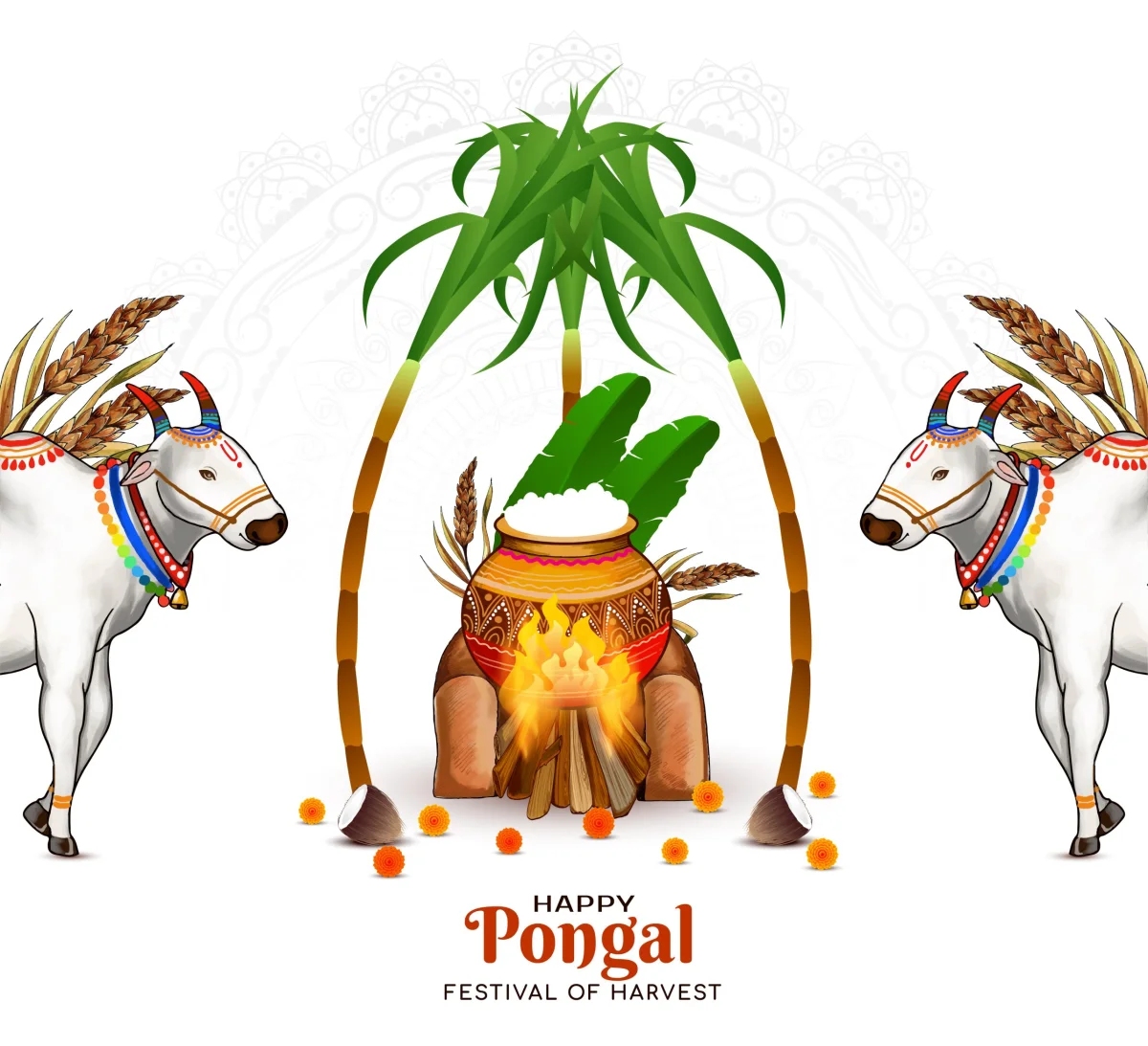
Pongal is a major South Indian harvest festival celebrated in January, during the Tamil month of Thai, expressing gratitude to the Sun God, nature, and cattle for agricultural abundance. Its name, meaning “to boil over,” symbolizes overflowing prosperity and joy. The festival holds deep cultural and spiritual significance, emphasizing the harmonious bond between humans and nature, and brings families together in prayer, celebration, and thanksgiving for the year’s harvest.
Rituals and Festive Traditions
Pongal spans four days-Bhogi, Thai Pongal, Mattu Pongal, and Kaanum Pongal-each with distinct customs. Thai Pongal features the cooking of the traditional dish Pongal in earthen pots until it overflows, symbolizing abundance, while homes are decorated with kolams. During Mattu Pongal, cattle are bathed, adorned, and worshipped for their contribution to agriculture. Families exchange gifts, visit temples, and participate in music, dance, and games, reinforcing gratitude, harmony, and respect for nature.
Cultural and Social Significance
Beyond its agrarian roots, Pongal is a celebration of community, family, and tradition, uniting people across social and economic backgrounds through shared rituals and festivities. Cultural programs, folk performances, and temple fairs add vibrancy, while the festival fosters environmental awareness by honoring nature’s cycles. For many Tamilians, Pongal marks both the harvest and the start of a hopeful new year, symbolizing gratitude, renewal, unity, and the enduring spirit of rural life.