
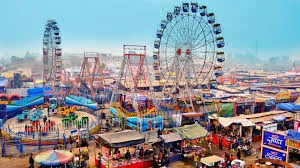
A week-long festival held in Shantiniketan, Birbhum, showcasing traditional Bengali music, dance, and local handicrafts, and celebrating the foundation day of Shantiniketan.
Historical Roots and Cultural Significance
Poush Mela, held annually in Shantiniketan, Birbhum, marks the foundation of the cultural hub established by Rabindranath Tagore. Taking place in December-January, it attracts visitors from across India and abroad, celebrating Tagore’s vision of art, education, and culture. The festival honors rural Bengali traditions while fostering community participation. It is a symbolic gathering that blends spirituality, art, and social unity. Devotees engage in cultural programs, craft exhibitions, and rituals, preserving the heritage of Shantiniketan. The Mela emphasizes creativity, tradition, and communal harmony, making it a landmark cultural event.
Traditional Music, Dance, and Performances
Poush Mela showcases the rich folk traditions of Bengal through music and dance. Baul, Bhatiali, and Kirtan performances captivate audiences with soulful melodies and rhythmic beats, while dance forms like Chhau and Jhumur highlight regional diversity. Artists from surrounding villages perform on open stages, and spontaneous music sessions encourage audience participation. Visitors clap, sing, and dance along, creating a lively and interactive atmosphere. These performances not only entertain but also preserve and propagate Bengal’s folk heritage for future generations.
Handicrafts, Local Cuisine, and Community Spirit
The fair features vibrant stalls of local handicrafts, including terracotta items, handwoven textiles, pottery, and jewellery, supporting artisans and promoting cultural exchange. Traditional Bengali foods, such as pithe, misti, and regional snacks, add flavor to the festive atmosphere. The communal setting fosters social bonding, as visitors share meals, stories, and joy. Poush Mela thus embodies art, culture, and community spirit, celebrating Shantiniketan’s cultural legacy and sustaining Bengal’s artistic and rural traditions.