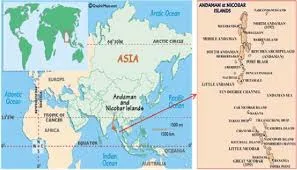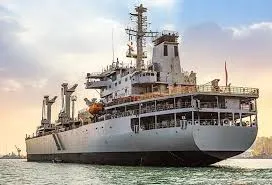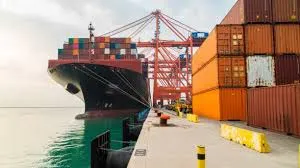

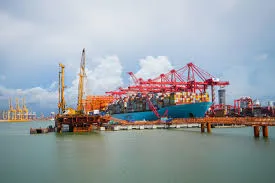
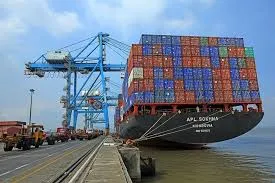
GlobalFootprint: The islands are strategically located between the Bay of Bengal and the Andaman Sea, near major sea lanes connecting South Asia with Southeast Asia. The government plans a major trans-shipment port at Galathea Bay on Great Nicobar Island to handle large container ships, enhancing India’s global maritime trade presence. Period: Planning and early phases underway; major infrastructure push from 2020sthrough 2028 onward. Impact: • Positions the islands as a link in global shipping & logistics networks. • Creates employment and investment opportunities in port, logistics and associated infrastructure. • Enhances India’s ability to integrate with Indo-Pacific trade routes and global maritime supply chains.
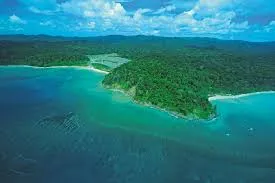
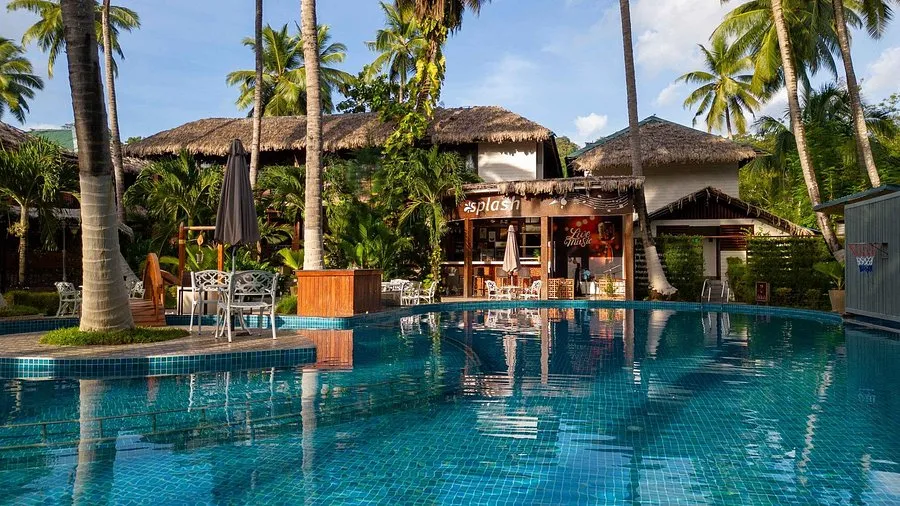
GlobalFootprint: Tourism is a major driver: for example, the islands recorded over 7,10,000 domestic tourists in 2024 (a growth of ~120%) and rising foreign visitor numbers. The unique natural environment-beaches, coral reefs, tropical forests-gives global appeal. Period: Increasing rapidly in the 2010s and particularly post-2020. Impact: • Creates jobs in hospitality, travel services, guiding, local crafts and allied sectors. • Raises global recognition of the islands as premium travel destinations. • Encourages infrastructure upgrades (airports, connectivity, tourism services) and global links (foreign tourists, eco-travel).
Link : https://journalofdigitaleconomy.org/index.php/JDE/article/view/136?utm_source=chatgpt.com

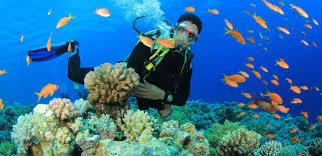
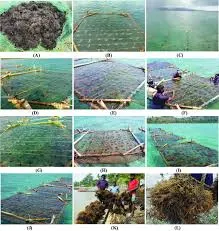
GlobalFootprint: The islands’ marine & aquaculture sectors form part of their global facing economic strategy: fish/seafood production, seaweed farming, aquaculture. The IBEF profile notes blue economy such as fisheries, aquaculture & seaweed farming will accelerate. Period: Growing emphasis from the 2020s onward. Impact: • Opens global market potential for seafood and marine products. • Provides livelihoods for coastal and island communities. • Supports sustainable development of island economies aligned with global marine-resource value chains.
Link : https://indbiz.gov.in/state/andaman-and-nicobar-islands/?utm_source=chatgpt.com

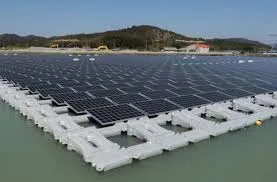
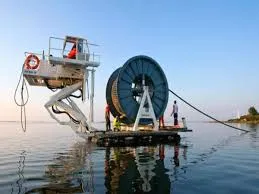
Global Footprint: Given remote island geography, the UT is pushing renewable energy, digital connectivity and modern infrastructure that align with global ‘smart island’ models. For example, the total installed capacity was ~127.87 MW with ~35 MW coming from renewables. Period: Current/near-term(2020s). Impact: • Reduces reliance on external imports for energy; builds resilient island economy. • Creates opportunities for global technology investment in renewables, smart infrastructure, fibre optics. • Enhances connectivity (digital, physical) enabling global linkages (tourism, business, remote services).

GlobalFootprint: The islands provide India a strategic base in the Indo-Pacific region, with proximity to Southeast Asia and major sea-lanes. The territory is highlighted in India’s “Act East” and maritime strategy. Period: Long‐term strategic importance; renewed focus in 2020s. Impact: • Attracts international partnerships (defence, maritime logistics, dual-use infrastructure). • Elevates the islands’ global significance beyond tourism & trade — to geopolitics and global supply/choke-points. • Strengthens global investor interest (even defence and dual-use infrastructure) albeit with environmental/social considerations.
Link : https://www.investindia.gov.in/state/andaman-and-nicobar-islands?utm_source=chatgpt.com